
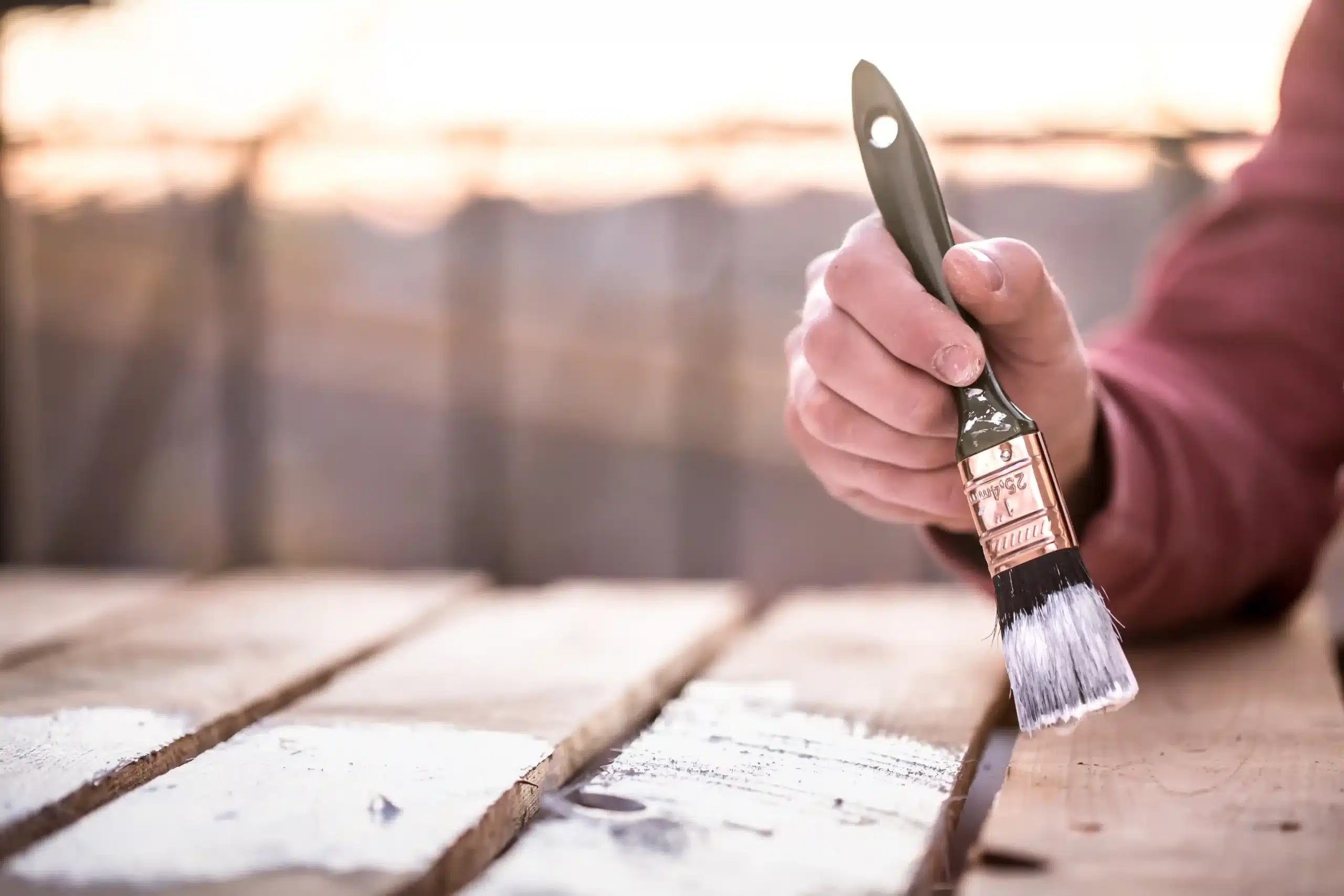
The finish you apply to your deck today directly impacts the work you’ll be doing in a few years. Some choices set you up for a future of intense scraping and sanding, while others only require a simple cleaning and recoat. Choosing a finish isn’t just about color; it’s about deciding how much time and effort you want to spend on upkeep down the road. This guide focuses on the long-term picture. We’ll compare the maintenance requirements of different products, showing you which ones offer lasting beauty with less hassle. Let’s find the best deck paint or stain that fits your lifestyle.
Your deck deserves the same care as the rest of your home. It’s a place to relax with family, entertain friends, and enjoy the outdoors. However, the weather can cause damage over time, so to protect it, you need to choose the right stain or paint for your deck. In this guide, we’ll cover the seven best types of paint and stain for decks, explain what makes each one unique, and provide tips to help you find the best finish for your deck.
The 7 Best Deck Paints and Stains for a Lasting Finish
Not all paints are good for protecting and improving your deck. Some paints last longer, while others are customized to improve safety or prevent mold. Paint is not usually the best choice for decks, since stain tends to be more durable when the wood expands or contracts. Here are seven of the best paint or stain options for your deck painting project.
Oil-Based Penetrating Stain: Let the Wood Grain Shine
Oil-based penetrating stains are the best choice for caring for wood. They soak into the wood, providing strong protection while showing off its natural grain. These stains won’t crack or peel. They are great for decks that are exposed to harsh weather and require minimal upkeep, making it easy to refresh your surface without stripping off old layers.
Oil-Modified Stain: Built for Durability
Oil-modified stains for decks deliver a durable finish and protect wood from moisture and UV rays. These stains enhance the wood’s natural beauty, last longer in harsh weather, and resist cracking or peeling.
Semi-Transparent Stain: Color Without Hiding the Grain
Semi-transparent, oil-based stains protect and enhance exterior wood while allowing the natural wood grain to show through. These stains soak into the wood, providing durability and resistance to moisture and UV damage. Unlike paint, which forms a film that sits on the surface, they do not peel or flake, since they can shift with the wood as it expands and contracts. They add color, protect the wood, and are often easier to apply than some water-based options.
Semi-Solid Stain: More Color, More Protection
A semi-solid oil-based stain provides strong color and good UV protection. It has a high concentration of pigment but still lets some wood grain show through. This stain works well on older or weathered decks, as well as those with imperfections. It hides inconsistencies while protecting the wood from warping and cracking.
Solid Stain: The Look of Paint, The Protection of Stain
Solid stains act almost like paint, offering the most coverage and color while still being more breathable than traditional deck paints. They’re perfect for older decks that have seen better days. Solid stains also adhere well to previously stained or painted surfaces, helping refresh worn wood without the need for sanding it down completely.
Primer + Modified Coating: A Fresh Start for Old Decks
When working with a deck that’s already coated or uneven, priming before applying an oil or acrylic-modified coating helps you achieve a uniform finish. This combination seals the surface, improves adhesion, and protects against moisture and UV exposure. While not as common as stain for new decks, this system works well for restoring older ones.
Primer + Acrylic Paint: Best for Already-Painted Decks
Deck paint works well on decks that are already painted. Using a primer followed by acrylic deck paint creates a smooth, sturdy surface that can resist moisture and sunlight. However, for new or well-kept decks, stains are a better option.
Paint vs. Stain: Which is Right for Your Deck?
Choosing between paint and stain is one of the biggest decisions you’ll make for your deck. Both can protect the wood and make your outdoor space look great, but they work in very different ways. They also have different impacts on the long-term health of your deck boards. Let’s break down the key differences in how they look, how long they last, and what it takes to maintain them. This will help you decide which finish is the perfect match for your deck and your lifestyle.
How They Work and Look
The main difference between paint and stain lies in how they interact with the wood. Paint forms a thick film that sits on top of the surface, creating a solid, opaque color that completely hides the wood grain. Because it only coats the surface, paint is prone to cracking and peeling as the wood expands and contracts with Boise’s weather changes. Stain, on the other hand, soaks deep into the wood fibers, becoming part of the wood itself. This penetration allows the natural texture and grain to show through. Since it’s absorbed by the wood, stain won’t chip or flake, offering a more durable finish that ages gracefully.
Lifespan and Maintenance
At first glance, paint seems to have the edge on longevity. A high-quality exterior paint job can last up to 10 years before needing a complete overhaul. Stain typically requires a fresh coat every two to five years to maintain its color and protective qualities. However, the maintenance process tells a different story. Repainting a deck often involves intensive scraping and sanding to remove all the old, peeling layers before you can even start. Re-staining is much simpler; you just need to clean the deck thoroughly and apply a new coat, making it a more practical long-term choice for many homeowners.
Color Options and Application
If you want unlimited color possibilities, paint is your go-to. You can match your deck to your house trim, your patio furniture, or any other color you can dream up. Stains offer a more limited, earthy palette but come in various transparencies—from clear sealers that let the wood’s natural color shine to solid stains that offer a paint-like appearance. When it comes to application, stain is generally more forgiving. It’s thinner and doesn’t usually require a primer, making the process quicker. While it might seem like an easy DIY project, proper surface preparation is key to a lasting finish, which is why many people still choose to hire professionals for the job.
The Expert Verdict: Why Stain is Usually Better
While paint has its place, especially on previously painted surfaces, most deck professionals will tell you that stain is the superior choice for protecting wood. The reason is simple: stain works with the wood, not against it. By soaking into the fibers, it allows the wood to breathe and move naturally with temperature and humidity changes. Paint creates a non-breathable film that can trap moisture against the wood, which can lead to rot and decay from the inside out. For the long-term health and durability of your deck, staining is almost always the recommended method. It preserves the wood’s integrity while enhancing its natural beauty, ensuring your outdoor space remains a safe and beautiful retreat for years.
How to Choose the Best Deck Paint or Stain
Choosing the right paint or stain isn’t just about color; it’s also about performance. A good deck paint should handle weather exposure, daily use, and maintenance needs while enhancing your deck’s appearance. Here are the key features to consider before making a choice.
How Long Will It Last?
Durability refers to how well the finish can withstand heavy use, varying weather conditions, and daily wear. A durable stain or coating peels less, needs fewer touch-ups, and keeps your deck looking good for years. Choosing a long-lasting stain can save you time and money down the road. For a comparison of how different exterior coatings hold up over time, see our guide on how long exterior paint lasts.
Will It Be Slippery When Wet?
Slip resistance is important for decks that get wet due to rain, pool water, or morning dew. Using paint with a slip-resistant texture or anti-slip additives helps prevent falls, keeping your deck safe for everyone, which is especially useful for families or seniors.
How Easy Is It to Clean?
Outdoor decks get dirty over time, so it’s a good idea to choose washable paint. Oil-based stains or solid coatings make it easy to clean stains, dirt, and spills without scrubbing off the surface. This keeps your deck looking good and helps the paint last longer.
Does It Work with Your Deck Material?
Not every paint or stain works on all deck surfaces, which may include wood, composite, or concrete. Using paint or stain made for your deck’s material helps it adhere better, last longer, and stay smooth. The wrong paint can peel or crack, wasting time and money, so always check the label first.
Can It Handle the Elements?
Decks are exposed to sun, rain, snow, and changing temperatures, so it’s important to use stain if possible, which provides increased weather resistance. Stain protects your deck from fading, cracking, and peeling, improving its durability and lifespan.
Considering Your Deck’s Age and Wood Type
The age and type of wood on your deck are major factors in choosing a finish. For newer decks where you want to highlight the natural beauty of the wood, an oil-based penetrating stain is an excellent choice. According to the experts at Zar, these stains “soak into the wood, providing strong protection while showing off its natural grain” and won’t crack or peel. For older, more weathered decks that have some imperfections, a solid or semi-solid stain can provide more coverage to hide blemishes while still offering the protective benefits of a stain. Different woods, like cedar, pine, or redwood, also absorb stain differently, so what works for one might not be ideal for another.
Factoring in Your Local Climate
Here in Boise, our decks face a challenging climate with hot, dry summers and cold, snowy winters. These temperature swings cause wood to expand and contract, which can be tough on any finish. This is why stains are generally superior to paints for decks; they penetrate the wood and move with it, reducing the risk of cracking and peeling. You need a finish with excellent UV protection to prevent fading from the intense summer sun and strong moisture resistance to handle rain and snow. As My Forrest Paint notes, “Choosing a long-lasting stain can save you time and money down the road,” which is especially true in a four-season climate like ours.
How Color Choice Affects Temperature and Protection
The color you choose does more than just set a mood; it also affects your deck’s temperature and durability. Darker colors absorb more sunlight and can make your deck uncomfortably hot to walk on during a sunny Boise afternoon. Lighter colors will reflect more heat, keeping the surface cooler. However, there’s a trade-off to consider. The pigments that give stains their color also provide UV protection for the wood underneath. Darker, more heavily pigmented stains typically offer better protection from sun damage. You’ll need to balance your desire for a cool surface with the need for long-term wood preservation.
Deck Preparation: The Key to a Flawless Finish
A beautiful, long-lasting deck finish is all in the preparation. Skipping or rushing this step is the number one reason deck stains and paints fail prematurely. Proper prep ensures the new coating can adhere correctly to the wood, giving you a durable finish that won’t peel or chip after the first season. This process involves more than a quick sweep; it requires cleaning, sometimes stripping, and allowing for adequate drying time. It’s the most labor-intensive part of the project, which is why many homeowners choose weather-resistant exterior painting from an experienced local team. We have the right tools and experience to ensure the surface is perfectly prepped for a finish that lasts.
Why New Wood Needs Time to Dry
If you have a brand-new deck, you might be eager to stain it right away, but patience is key. New pressure-treated lumber is often saturated with water and chemicals from the treatment process. If you apply a stain or sealer too soon, you’ll trap that moisture inside the wood, which can lead to rot, mildew, and a finish that quickly fails. A good rule of thumb is to wait a few months for the wood to dry out. You can test it by sprinkling some water on the surface; if the water beads up, it’s not ready. If it soaks in quickly, you’re good to go.
The Importance of a Clean Surface
Whether your deck is new or old, you must start with a completely clean surface. Over time, decks accumulate dirt, pollen, mildew, and graying from sun exposure. Applying a new coat of stain over this grime will prevent it from adhering properly and can lead to a blotchy, uneven appearance. As one expert painter from Brad the Painter puts it, “A clean surface is essential for proper adhesion and longevity of the finish.” Taking the time to thoroughly clean your deck ensures that your new stain can penetrate the wood fibers and provide the best possible protection, giving you a beautiful result that stands the test of time.
Pressure Washing Your Deck
Pressure washing is one of the most effective ways to deep-clean a deck. It powerfully removes built-up dirt, stubborn algae, mold, and even old, failing finishes. This process creates a fresh, clean slate for your new stain or paint to bond with. However, it’s crucial to use the right amount of pressure. Too much force can gouge the wood, leaving permanent marks and a fuzzy texture. It’s important to use a wide-angle nozzle and keep a safe distance from the surface to avoid damage. After washing, the wood must be completely dry before you can apply any finish.
Removing Old, Peeling Paint
If your deck has an old coat of paint or solid stain that is peeling, you have to remove all the loose material before applying a new coat. Painting over a failing finish is a recipe for disaster, as the new paint will just peel off along with the old layer. This process typically involves a combination of scraping, sanding, and sometimes using a chemical stripper for stubborn areas. It’s a time-consuming and messy job, but it’s absolutely necessary for a smooth, professional-looking result that will last. This is often the point where the value of hiring an experienced crew becomes crystal clear.
A Word of Caution on “Deck Restore” Products
You’ve probably seen “deck restore” or “resurfacing” products at the hardware store. They are thick, paint-like coatings that promise to fill cracks and hide imperfections, making an old deck look new again. While the promise is tempting, these products often create more problems than they solve. They form a thick, rigid film on top of the wood instead of soaking in like a traditional stain. Because wood naturally expands and contracts with changes in temperature and humidity, this inflexible coating is prone to cracking and peeling, often after just one season of Boise’s weather extremes.
The Problem with Thick Resurfacing Coatings
The main issue with thick resurfacing coatings is that they don’t allow the wood to breathe. They trap moisture underneath their surface, which can accelerate wood rot and decay. According to one professional painter, many of these products “look good at first but crack and peel after one winter or summer.” Once they start to fail, they become a nightmare to remove. The thick, rubbery coating is incredibly difficult to scrape or sand off, often requiring hours of intense labor or aggressive chemical strippers. What started as a quick fix can turn into a massive, expensive restoration project down the line.
Why Experts Advise Against Them
For these reasons, most painting professionals advise against using thick “deck restore” coatings. Experts recommend sticking with traditional stains that work with the wood’s natural properties. As the team at Zar explains, it’s better to use products that “allow the wood to breathe and expand.” A quality penetrating stain will protect the wood from within, repel moisture, and fade gracefully over time rather than peeling in large sheets. At Boise Commercial & Residential Painting, we stand by our work with a service guarantee, which is why we only use proven, high-quality products that we know will perform well and protect your investment for years to come.
Top-Rated Deck Stains and Paints
Starting with a high-quality product is half the battle. While the best brand can still fail with poor preparation, a top-tier stain or paint will provide better color retention, durability, and protection. The market is full of options, but professionals tend to rely on a handful of trusted products known for their consistent performance. Based on reviews from sources like Consumer Reports and professional painter recommendations, here are some of the best-performing products for protecting your deck. Remember, the best choice for your deck will depend on its age, condition, and the look you want to achieve.
Best Overall Stain
For a fantastic all-around performer, the TWP 1500 Series is frequently recommended by professionals. It’s an oil-based, semi-transparent stain that penetrates the wood to provide exceptional protection from moisture and UV rays. According to a report, it has high resistance to peeling and sun damage, which is perfect for our sunny climate. It’s known for its durability and for enhancing the natural wood grain beautifully. While it can be harder to find than some big-box store brands, its longevity and protective qualities make it a worthwhile investment for homeowners who want a finish that lasts.
Best Penetrating Oil Stain
Penetrating oil stains are a top choice for their ability to protect wood from the inside out. As noted by industry experts, “Oil-based penetrating stains are ideal for their ability to soak into the wood and provide lasting protection.” Brands like Armstrong Clark and TWP excel in this category. These stains use non-drying conditioning oils that separate from the drying oils in the formula. The non-drying oils dive deep into the wood to replace its natural oils, keeping it flexible and healthy, while the drying oils stay at the surface to create a tough, water-repellent barrier.
Best Solid Stain
When you need maximum coverage to hide imperfections on an older deck, a solid stain is your best bet. Solid stains offer a rich, opaque color like paint but behave more like a stain, allowing them to breathe and resist peeling better than paint. As one source explains, “Solid stains act almost like paint, offering the most coverage and color while still being more breathable than traditional deck paints.” Benjamin Moore’s Arborcoat and Cabot Solid Color Stains are two highly-rated options that provide excellent durability, adhesion, and a uniform finish, making them perfect for giving a weathered deck a fresh, new look.
Best Deck Paint
If your deck has been painted before or if you want a completely opaque, uniform finish, deck paint is the way to go. Unlike standard exterior paint, deck paints are formulated to withstand foot traffic and the unique challenges of a horizontal surface. Top-rated options include INSL-X ToughShield, made by Benjamin Moore, which is known for its excellent adhesion and scuff resistance. For a slightly more flexible option, Liquid Rubber Deck Paint is another great choice. Remember to always use a high-quality primer designed for exterior use before painting to ensure the best possible adhesion and longevity.
Best Low-Maintenance Preservative
For homeowners who want to protect their deck with minimal fuss, the best option is a high-quality penetrating oil stain that is easy to reapply. Because these stains fade over time instead of peeling, you don’t have to strip or sand the surface before a maintenance coat. You simply need to clean the deck and apply a fresh coat of stain. This simple process can save you a tremendous amount of work. As one expert notes, “Choosing a long-lasting stain can save you time and money down the road.” Investing in a premium product like TWP or Armstrong Clark means less work and a better-looking deck in the long run.
Ready to Refresh Your Deck?
Want to keep your deck looking great and protected for years to come? Choosing the right stain is all about durability, safety, and long-lasting protection. Each type of stain or paint comes with its own benefits, depending on your needs and budget. At Boise Commercial and Residential Painting, we’re all about helping you out. Our crew specializes in deck painting and finishing, delivering results you can count on. Get in touch with us today to set up a consultation and give your outdoor space the fresh look it deserves.
Frequently Asked Questions
If paint can last up to 10 years, why is stain usually the better choice? It really comes down to the maintenance. While a paint job might last longer initially, when it starts to fail, it cracks and peels. To repaint it correctly, you have to scrape and sand all of that old paint off, which is a huge, time-consuming job. Stain, on the other hand, soaks into the wood and fades over time. To refresh it, you just need to clean the deck and apply a new coat, making the long-term upkeep much simpler.
How often will I need to re-stain my deck? Typically, you can expect to re-stain your deck every two to five years. The exact timing depends on a few things, like how much direct sun your deck gets, the amount of foot traffic it sees, and the type of stain you use. For example, a solid stain will generally last longer than a semi-transparent one. The key takeaway is that re-staining is a straightforward maintenance task, not a massive restoration project.
Can I put stain on a deck that’s already been painted? Unfortunately, you can’t apply a penetrating stain directly over paint. The paint creates a film that prevents the stain from soaking into the wood fibers where it needs to be. To switch from paint to stain, you would have to completely remove every last bit of the old paint by sanding or using chemical strippers. Because this is such an intensive process, it’s often more practical to stick with a high-quality deck paint if the surface is already painted.
Are those thick “deck restore” coatings a good shortcut for an old deck? While they promise an easy fix, these thick coatings often cause more problems than they solve. They create a rigid, plastic-like layer on top of the wood that doesn’t allow it to breathe or move with temperature changes. This can trap moisture, leading to rot, and the coating itself often cracks and peels within a year or two. Removing a failed restore product is incredibly difficult, so we almost always advise against using them.
Does the color of my deck stain really make a difference? Yes, it affects both the temperature and the protection of your deck. Darker colors absorb more sunlight, which can make the surface uncomfortably hot to walk on during a Boise summer. Lighter colors reflect heat and keep the deck cooler. However, the pigments that create the color are also what provide UV protection for the wood. This means darker, more pigmented stains usually offer better defense against sun damage, so you’ll want to find a balance that works for you.
Key Takeaways
- Stain is usually the better choice for decks: Unlike paint that sits on top and peels, stain soaks into the wood. This prevents cracking and makes future recoats a simple cleaning job, not a scraping nightmare.
- Don’t skip the prep work: The success of your deck finish depends almost entirely on preparation. A thoroughly cleaned, dry surface is essential for the new coating to adhere properly and last for years.
- Select the right finish for your deck’s age: For new decks, a semi-transparent stain will highlight the natural wood grain. For older, weathered decks, a solid stain offers more coverage to hide imperfections while still providing the breathable protection that paint lacks.