It’s not always the visible problems that pose the greatest risk in a home. The most significant danger from old paint isn’t the chipping flakes you can see; it’s the invisible dust you can’t. Everyday actions like opening a window, closing a door, or friction on old cabinets can generate fine lead dust that settles on floors and toys. This makes understanding the risks of lead paint in homes absolutely critical, even if the painted surfaces appear to be in good condition. This article will help you identify these hidden hazards and outline the steps for professional assessment and remediation to ensure your home’s environment is safe.
Some homes, especially older ones, are painted with lead-based paint. If your paint is properly managed and cared for, the lead may not cause any harm. However, if the paint deteriorates, it can lead to significant health risks, specifically for children. In this blog, we will learn why lead paint in homes is a serious concern, how to check if your home has lead paint, and what steps to take next.
Why Is Lead Paint in Your Home a Serious Concern?
Historically, lead-based paint was commonly used to paint residential properties. People no longer use lead-based paint due to safety concerns. However, many older homes that were built prior to 1978 still have paint with lead on the walls. Since these homes are older, the paint is more likely to deteriorate, which leads to lead exposure. Even if these homes have been painted in recent years, some areas may still contain lead paint, such as the windows, doors, and hard-to-reach corners. Exposure to lead paint can lead to various health risks, which is why it is a major concern for homeowners. Homeowners should take action to make sure their home is free of lead paint because:
- Lead-based paint and lead-contaminated dust are common sources of lead poisoning.
- Symptoms of lead poisoning may not occur until the body has accumulated dangerous amounts of lead.
- Children are especially vulnerable to lead exposure.
Just How Common Is Lead Paint?
You might think that since lead-based paint was banned in 1978, it’s a problem of the past. Unfortunately, that’s not quite the case. Its legacy is still very present in millions of homes across the country, including right here in the Treasure Valley. According to the CDC, an estimated 29 million homes in the U.S. still contain lead paint hazards, and young children are living in about 2.6 million of them. While any home built before 1978 could have lead paint, the risk is highest for those constructed before 1960. If your home falls into that age range, it’s especially important to be aware of the potential for lead, as deteriorating paint is the primary cause of exposure.
How Lead Exposure Affects Your Health
Both children and adults can experience health problems if exposed to lead.
Why Children Are Most Vulnerable
High exposure to lead in children can cause:
- Brain damage and developmental delays
- Learning disabilities and behavioral problems
- Irritability
- Loss of appetite
- Weight loss
- Reduced IQ and attention span
- Fatigue
- Abdominal pain
- Hearing loss
- Vomiting
- Constipation
- Anemia
- Seizures
The Importance of Blood Testing for Children
One of the most concerning things about lead exposure is that most children and adults show no immediate symptoms. Since the signs can be subtle or completely absent, you might not know there’s a problem until significant exposure has already happened. This is why, if you have any reason to suspect lead in your home, the most important step is to speak with your child’s doctor. The Centers for Disease Control and Prevention (CDC) confirms that a blood test is the only reliable way to determine if someone has been exposed to lead. It’s a straightforward procedure that gives you a definitive answer, allowing you to take action right away if necessary.
Health Effects on Adults
Adults exposed to high levels of lead may experience:
- Difficulties with memory or concentration
- Kidney damage
- Headache
- Reproductive problems
- Nerve damage
- Muscle weakness
- Fatigue
- Anemia
- High blood pressure
Risks During Pregnancy
If exposed to lead, pregnant women can experience:
- Miscarriage and premature birth
- Low birth weight and growth problems
- Children whose mothers are exposed to lead during pregnancy may experience brain damage and developmental problems
- Increased risk of future health problems in the child, such as learning disabilities and behavioral issues.
Long-Term Health Complications
Other health impacts of lead poisoning in individuals include:
- Increased risk of cardiovascular disease, including heart disease and stroke
- Bone loss and osteoporosis
- Damage to the immune system
- Increased risk of cancer
For commercial property owners, our commercial painting team follows strict lead-safe work practices to ensure workplace safety during remediation projects.
The Hidden Danger of Lead Dust
It’s not just the peeling paint chips you can see that pose a threat. Often, the most significant danger comes from invisible lead dust. This dust is created when old, lead-painted surfaces rub against each other from everyday use—think of windows sliding open and shut, doors closing, or even friction on older painted cabinets. According to the EPA, this fine dust can also be generated during home repairs when old paint is scraped or sanded. Because lead dust is heavy, it settles on floors, toys, and windowsills, right where children tend to play. They can easily get it on their hands and then into their mouths, making it a primary source of lead exposure. Disturbingly, common cleaning methods like dry sweeping or vacuuming can actually make the situation worse by kicking the hazardous particles back into the air.
How to Spot Lead Paint in Your Home
There are various ways to check if your home has lead paint.
What to Look For: Visual Signs
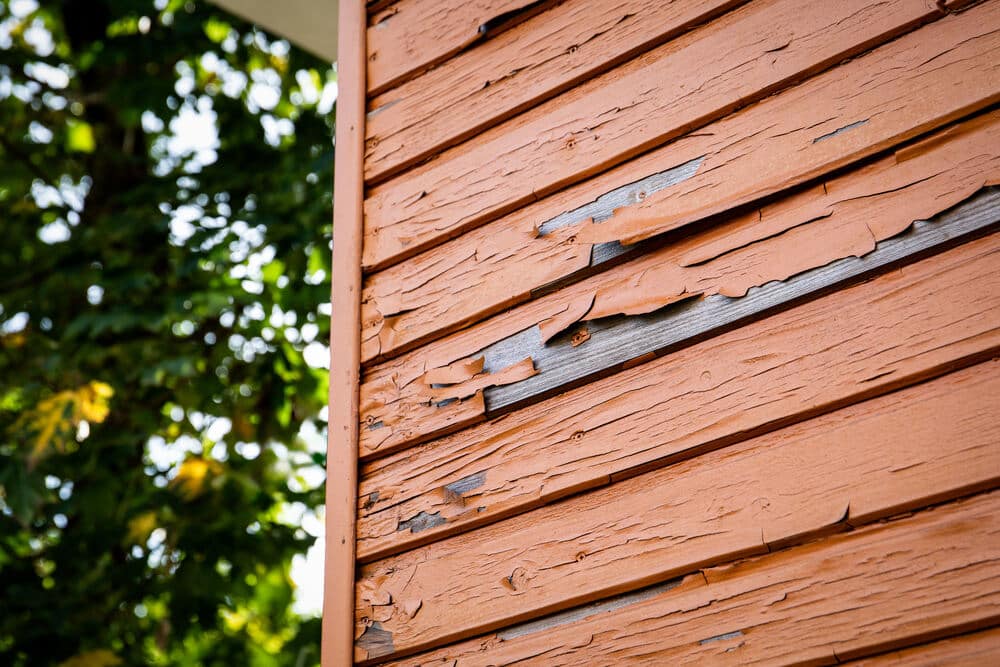
You may be able to detect lead paint in your home through a visual inspection. Some visual clues include:
- Alligatoring (crinkling of paint to form a surface similar to alligator scales)
- Chalky residue
- Chipping
- Peeling or flaking paint
Reliable Ways to Test for Lead
Visual clues may not always confirm or deny the presence of lead paint in your home. For more information, you can conduct some tests, including the following:
- DIY lead test kit: You can purchase DIY lead test kits to perform lead tests in your home. The kit includes the necessary supplies and a manual for conducting the test.
- Professional lead inspection: The most reliable and cost-effective method to detect lead paint in your home is to call a professional lead inspection company. They can accurately determine the levels of lead in your home and recommend appropriate remediation.
- Lab analysis: You can also test lead paint in your home by taking a piece of dried, chipped paint to a lab. The lab results will indicate whether the paint in your home contains lead.
Lead Paint Inspection vs. Risk Assessment
When you decide to bring in a professional, it helps to know the difference between the services offered. You’ll generally encounter two main options: a lead paint inspection and a risk assessment. A lead paint inspection is exactly what it sounds like—it identifies where lead-based paint is located in your home, surface by surface. Think of it as a simple map. A risk assessment, however, digs deeper. According to the CDC, this assessment identifies actual hazards, like peeling paint or lead dust, and provides a clear plan for how to manage them. For most homeowners, a risk assessment is more practical because it focuses on immediate dangers and gives you actionable steps to keep your family safe.
Why to Avoid DIY Home Test Kits
I know it’s tempting to grab a DIY lead test kit from the hardware store for a quick answer. I totally get the appeal. However, I’d advise against relying on them. Even the Consumer Product Safety Commission (CPSC) warns that these kits can be unreliable. An inaccurate result could give you a false sense of security if it misses the lead, or it could cause unnecessary panic and expense with a false positive. When your family’s health is on the line, you need certainty. Professional testing is the only way to get truly reliable results. Once you have a clear assessment, you can confidently move forward with the right solutions, whether that involves stabilization or hiring expert interior painters to safely handle the project.
Found Lead Paint? Here Are Your Next Steps
If you find lead paint in your home, there are certain measures you can take to ensure your safety.
First Steps: Keep Your Family Safe
The first thing you should do is prioritize your home’s safety and protect your family. To do that, isolate the area where lead paint is exposed. If your entire home is affected by lead, you should vacant your home until the issue is resolved. The lead in paint can be spread through dust. Therefore, it’s important to control dust in your home and prevent the spread of lead.
Temporary Fixes for Peeling Paint
If you’ve found small spots of peeling or chipping paint, creating a temporary barrier is a critical first step. This isn’t a permanent fix, but it can immediately reduce the risk in your home. The CDC suggests that simple materials like contact paper or duct tape can be used to cover the hazardous area. This action is vital because it helps block children from touching the peeling paint and the contaminated dust it creates, which are primary sources of lead poisoning. While this quick measure provides a temporary safeguard, it doesn’t solve the root problem. The only true solution is professional remediation, so after securing the area, your next step should be to contact a certified expert to handle the paint safely and permanently.
Managing Lead Paint Without Full Removal
Discovering lead paint in your home can feel overwhelming, but it doesn’t always mean you’re facing a massive removal project. According to the EPA, if the lead-based paint is in good condition—meaning it’s not chipping, peeling, or cracking—it’s generally not an immediate hazard. The danger comes from deteriorating paint that creates dust and flakes, which can be ingested or inhaled. So, if the paint surface is intact, you have options for managing it safely without resorting to a full, disruptive, and costly removal process. These methods focus on containing the lead paint, preventing it from becoming a hazard in the first place.
Encapsulation: A Safe Alternative
One of the most common and effective strategies for managing intact lead paint is encapsulation. This process involves applying a special liquid coating, known as an encapsulant, directly over the lead-painted surface. This coating dries to form a durable, watertight barrier that seals in the lead paint, preventing the release of hazardous dust and chips. Once the surface is encapsulated, you can safely proceed with a fresh paint job. This allows you to update your space with a new color while keeping the underlying lead paint safely contained. For a flawless and secure finish, it’s best to have a professional handle your interior painting services project to ensure the encapsulant is applied correctly.
Partial Remediation
Another practical approach is partial remediation. This is a great option if the lead paint is only deteriorating in specific, high-contact areas. Instead of removing paint from the entire house, this method targets only the problem spots, such as window sills, door frames, and baseboards that experience frequent friction and wear. By focusing only on these high-risk surfaces, you can address the immediate danger in a much more affordable and less disruptive way. Because any lead paint removal can create hazardous dust, this work should always be performed by certified house painters who are trained in lead-safe work practices to protect your home and family.
When to Call in a Professional
Dealing with lead paint by yourself can be dangerous and risky for your health. An EPA-certified professional painting company can help you clean up, contain, and eliminate lead from your home safely and repaint it to look as good as new. We back our work with a satisfaction guarantee, so you can trust your home is in safe hands.
How to Prevent Lead Exposure in Your Home
Preventative measures to limit lead exposure involve taking safety precautions to prevent lead from entering or spreading in your home. Below are a few ways you can take safety measures to prevent lead exposure.
Safety Tips for Homes Built Before 1978
Older homes are more likely to have lead paint, so if you are living in a home built before 1978, take the following steps to protect yourself:
- Test your home: Get your home tested for lead as soon as you move in.
- Hire certified professionals: Hire certified professionals to test for lead paint, and, if lead is found, remediate the space.
- Isolate work areas: Isolate the areas where lead is found. If lead has spread through the entire house, you should keep the house vacant until the lead issue is resolved
Proper Cleaning Techniques for Lead Dust
One of the biggest mistakes you can make is trying to clean up lead with dry methods. Dry sanding, scraping, or even just sweeping can release fine, invisible lead dust into the air, making the problem much worse. Instead, the key is to always use wet cleaning techniques. The Centers for Disease Control and Prevention (CDC) recommends using a wet mop, cloth, or sponge to safely pick up dust and paint chips without sending them airborne. This dust often accumulates on surfaces that rub together, like windows and doors, so pay special attention to those areas. After cleaning, be sure to wash your hands thoroughly, and always make sure children wash their hands before eating or after playing to prevent accidental ingestion.
Reduce Tracking Lead into Your Home
Lead dust doesn’t just come from inside your home; it can also be tracked in from outside on the bottom of your shoes. Soil in many areas, especially near older buildings or busy roads, can contain lead. To keep it out of your living space, the Environmental Protection Agency (EPA) suggests a couple of simple but highly effective habits. First, place sturdy doormats at every entrance to your home. Second, create a household rule to take off shoes as soon as you come inside. This small change in routine can dramatically reduce the amount of lead-contaminated soil that gets tracked onto your floors, where children are most likely to play.
Other Sources of Lead Exposure
While deteriorating paint is a primary concern, it’s helpful to know that lead can also be found in other places around your home. Soil can become contaminated, especially around older houses where exterior paint has flaked off over the years or from the past use of leaded gasoline. Lead can also enter drinking water from older pipes and fixtures. Beyond your property, certain jobs like renovation or hobbies such as making stained glass can expose you to lead dust that gets carried home on clothes. It has also been found in some imported products, including certain cosmetics, folk remedies, and lead-glazed pottery. Being aware of these various sources is a key step in protecting your family from exposure.
Ready to Make Your Home Safe?
If you know or suspect that your home has lead paint, a reliable contractor can help you test and eliminate lead from your home safely. Boise Commercial and Residential Painting offers professional and cost-effective lead paint inspection, removal, and repainting, keeping your home safe. Schedule an inspection today.
Frequently Asked Questions
My house was built before 1978. Does it definitely have lead paint? Not necessarily, but the chances are much higher. The risk increases the older your home is, with houses built before 1960 being the most likely to contain lead-based paint. Even if your home has been repainted, lead paint could still be present under newer layers, especially on original features like windows, doors, and trim. The only way to know for sure is to have your home professionally tested.
Is lead paint only dangerous if it’s peeling or chipping? Deteriorating paint is the most immediate and obvious hazard because it creates visible chips and invisible dust. However, even intact lead paint can become a problem. Friction from everyday actions, like opening and closing windows or doors, can generate lead dust that settles on surfaces. This dust is a primary source of exposure for children, who can easily get it on their hands and into their mouths.
Can I just paint over the old lead paint myself? Simply painting over lead paint with regular latex paint is not a safe or permanent solution. It doesn’t seal the lead in, and as the new paint eventually wears down, the underlying lead hazard will be re-exposed. A proper and safe method is encapsulation, which involves using a special coating designed to create a durable barrier over the lead paint. This process is best handled by professionals to ensure it’s done correctly and safely.
Are the DIY lead test kits from the hardware store reliable? While it’s tempting to use a DIY kit for a quick answer, they are often unreliable and can produce false negatives or false positives. A false negative might lead you to believe your home is safe when it isn’t, while a false positive could cause unnecessary stress and expense. For something as important as your family’s health, professional testing is the only way to get an accurate and dependable result.
If I find lead paint, do I have to remove all of it? No, complete removal isn’t always necessary. If the paint is in good condition, encapsulation is a great option to safely seal it in. If the paint is only deteriorating in specific, high-friction areas like window sills or door frames, you can opt for partial remediation. This approach targets only the hazardous spots, making it a more affordable and less disruptive solution than a full-house removal.
Key Takeaways
- Recognize the invisible threat of lead dust: The primary danger from old paint is not always the visible chipping but the fine, invisible dust created by everyday friction on windows, doors, and cabinets. This dust settles on floors and toys, becoming a major source of lead exposure for children.
- Choose professional testing for reliable results: DIY lead test kits can be inaccurate, potentially giving you a false sense of security. For your family’s health, the most reliable action is to hire a professional for a lead inspection or risk assessment, which provides definitive answers and a clear plan for managing hazards.
- Understand your remediation options beyond full removal: If lead paint is intact and not peeling, you may not need a costly, full-scale removal. Safe and effective alternatives include encapsulation, which seals the paint under a special coating, or partial remediation, which targets only high-risk areas.