
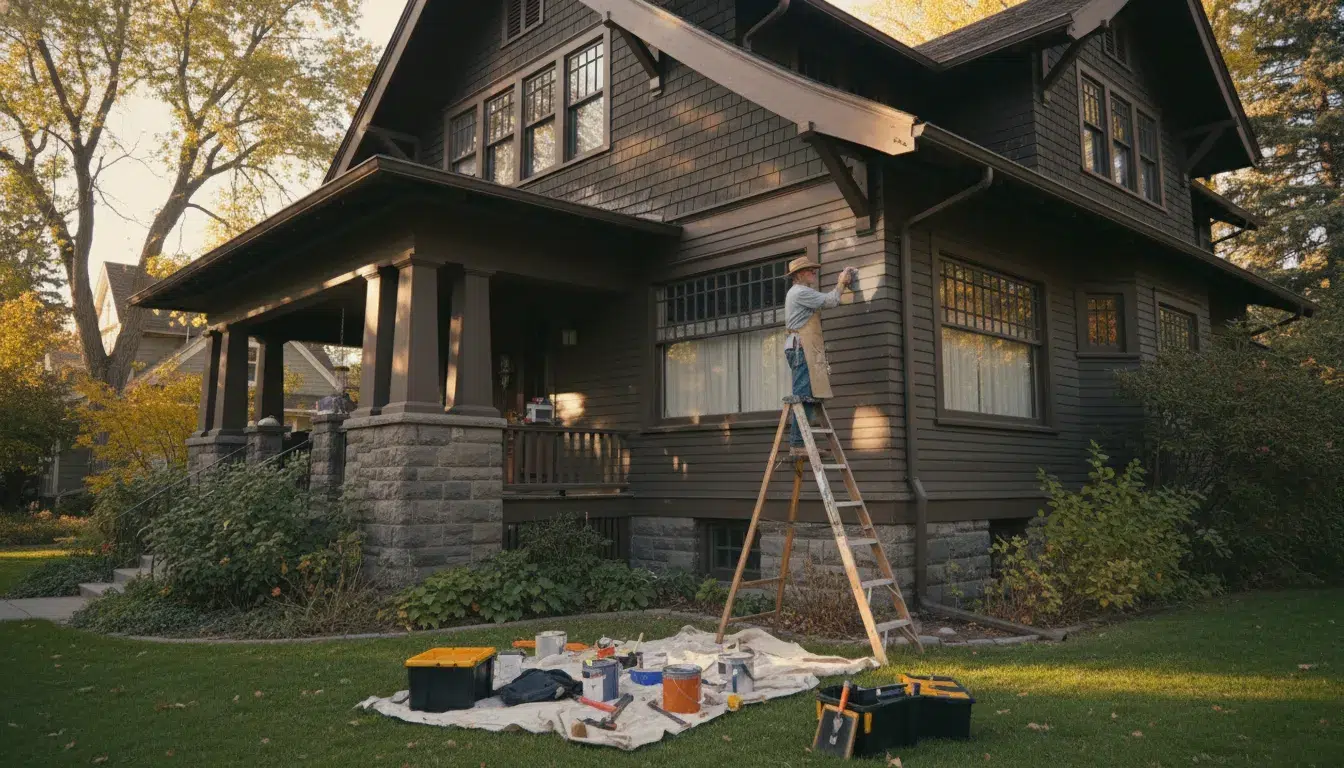
One careless sanding pass can scatter lead dust and erase a century of character. A lasting repaint starts by learning what the house needs, not by covering every flaw.
Historic home painting Boise projects require a plan that protects original materials, controls hidden hazards, and matches each aging surface with the right treatment. Start by inspecting siding, trim, plaster, masonry, and past coatings, then repair damage without stripping sound historic fabric or fine details. On pre-1978 homes, use painters trained in lead-safe practices; the EPA requires certified contractors when paid work disturbs painted surfaces. Next, choose breathable, weather-resistant products suited to Boise’s hot summers, cold winters, and changing moisture levels. Every choice should protect both the finish and the home’s lasting character. Complete the plan with an era-aware color scheme that respects the architecture, highlights original details, and keeps the home from looking flat or overly new.
That careful sequence answers the key question: how do you protect an older home’s story while giving it a durable finish? The next section, Why historic home painting in Boise needs a different plan, shows which early decisions prevent costly mistakes. The path begins with:
Historic Home Painting Boise: Why historic home painting in Boise needs a different plan
Original materials need a close look
An older Boise house may still have original wood siding, windows, doors, and detailed trim. Each surface can age at a different rate. Some areas may only need light sanding, while others may need patching or repair. A single prep method can damage sound wood or leave weak spots behind.
Historic details also create more edges, joints, and small surfaces where coatings can fail. Porch posts, window trim, and decorative pieces need close review before work starts. Our guide to painting historic Boise homes covers the broader issues owners should consider before choosing a plan.
Layers can hide the real problem
Old homes often carry several layers of paint from past projects. The top layer may look worn, but the cause can sit deeper. Loose lower coats, trapped moisture, open joints, or damaged wood can keep a new finish from bonding well. Painting over those signs only hides them for a short time.
Good careful exterior prep starts with finding which layers are sound and which areas need repair. The plan may include washing, scraping, sanding, crack filling, patching, and spot priming. The exact mix should follow the surface condition, not a standard checklist.
Lead safety can also change the work plan. The EPA says its Renovation, Repair and Painting Rule applies when paid work disturbs painted surfaces in pre-1978 homes. Contractors doing that work must be certified and use trained workers. These lead-safe work practices help limit exposure to lead hazards.
A diagnosis shapes the scope
A useful inspection separates paint failure from wood or building problems. Peeling near a sill may point to an open joint or failed seal. Cracks may need patching before primer. Soft trim may need repair instead of another coat. This diagnosis keeps the scope tied to what the house needs.
- Note loose, cracked, chalky, or bubbling coatings.
- Check wood, joints, trim, windows, and patched areas.
- Identify surfaces that may require lead-safe methods.
- Choose prep, primer, and finish steps for each condition.
For historic home painting in Boise, this early review protects both character and durability. It also gives homeowners a clearer view of repairs before painting begins. The result is a plan built around the home, rather than a quick coat placed over unknown conditions.
What should you inspect before painting an older home?
A sound inspection should happen before colors, primers, or finish coats are chosen. For historic home painting in Boise, the goal is to learn what each surface needs without hiding damage or harming original details.
A five-step inspection
Walk around the home slowly, then repeat the review inside. Take clear notes and photos so repair needs, safety concerns, and paint work stay separate.
- Identify each surface. Record wood siding, trim, brick, plaster, drywall, metal, and other materials. Note where a newer repair meets an older surface.
- Map coating failure. Mark peeling, cracking, bubbling, chalking, bare spots, and loose layers. Check sheltered and exposed areas because wear can differ across one wall.
- Look for moisture clues. Note stains, soft areas, mildew-like growth, failed caulk, and gaps near windows or roof edges. Find the source before covering the symptom.
- Probe damaged wood carefully. Check siding, trim, sills, and porch details for softness, splits, or missing sections. List repairs that must happen before sanding or painting.
- Plan for lead safety. Flag painted surfaces that may be disturbed, especially in homes built before 1978. Do not start scraping or sanding until the risk is addressed.
Substrate and failure notes
Different materials call for different prep methods. Brick, wood, plaster, and metal should not be treated as one surface, even when they share the same color. A written surface map helps guide surface preparation decisions and keeps fragile details from receiving needless work.
Coating failure can also point to a problem below the paint. Peeling near a window may sit beside failed caulk or damaged wood. Bubbling and stains deserve a closer moisture check before any patch, primer, or finish coat is applied.
Lead-safe project planning
Age changes the safety plan. The EPA Renovation, Repair and Painting Rule requires paid contractors who disturb painted surfaces in pre-1978 homes to be certified. Their employees must also receive training in lead-safe work practices.
Testing and scope planning should come before work that creates dust or chips. Homeowners can review guidance on managing lead paint safely while discussing which surfaces will be disturbed. This keeps the inspection useful without treating every old coating as the same risk.
Careful surface prep protects original character
Historic home painting in Boise starts with a choice: preserve sound material instead of replacing it by default. Original siding and trim often carry profiles, joints, and tool marks that give the house its character. A careful inspection maps peeling paint, open seams, soft wood, failed patches, and likely moisture sources before work begins.
That inspection should separate a coating problem from a building problem. Peeling near gutters, windows, or lower siding may point to water that needs correction first. Paint can cover a stain, but it cannot stop a leak or restore decayed wood.
Cleaning and safe paint removal
Homes built before 1978 need an extra safety check before scraping or sanding. The EPA requires paid contractors who disturb painted surfaces in these homes to use certified lead-safe work practices. Those methods help limit hazardous dust while allowing crews to prepare the surface.
Prep should remove dirt, chalk, loose paint, and failed caulk without harming sound wood. Cleaning comes first, followed by controlled scraping and light sanding where needed. The goal is a firm, smooth edge between sound paint and bare wood, not the removal of every old layer.
- Wash gently and allow the surface to dry.
- Scrape only loose or failing paint.
- Sand sharp paint edges without flattening trim details.
- Collect debris and keep dust contained.
This measured approach is central to careful exterior prep. Aggressive washing or grinding can scar soft siding, round crisp profiles, and erase details that paint cannot recreate.
Compatible wood repairs
After cleaning, the crew can see which boards are sound and which need repair. Small cracks and shallow damage may accept a suitable patch. Loose trim needs secure fastening. Badly decayed sections may require a fitted wood repair or matching replacement piece.
Repairs should follow the shape and movement of the original material. Thick filler across a moving joint may fail and hide a detail. A repair that matches the existing profile creates a better base while keeping the home’s visual rhythm intact.
Open joints also need careful review before caulking. Caulk can close select gaps where water enters, but it should not block drainage paths. It should not seal joints meant to move. The right choice depends on the joint, nearby materials, and how water leaves the wall.
Primer, moisture, and final checks
Bare wood and repaired areas need a compatible primer before finish coats begin. Primer helps create an even base and protects exposed spots. It cannot solve damp wood. Failed flashing, leaking gutters, and other moisture sources should be corrected first.
A final prep check confirms that surfaces are clean, dry, stable, and ready for paint. It also catches missed cracks, bare edges, or weak patches before they disappear under a finish coat. These surface preparation decisions protect both the new coating and the home’s original character.
How do you choose colors for a historic Boise home?
A good palette respects the home’s original design without making daily life feel like a museum exhibit. Start with the building, not a favorite paint chip. Its shape, era, details, and fixed materials will narrow the choices.
Architecture and neighborhood context
First, note which features give the house its character. Look at siding patterns, porch posts, window trim, brackets, and the front door. A simple bungalow may suit a restrained palette. A house with detailed trim can support more contrast.
Then walk the block and study the color rhythm around the property. The goal is not to copy a neighbor or make the home disappear. Instead, choose colors that belong in the setting while keeping the home’s own identity. This approach helps painting historic Boise homes feel thoughtful rather than staged.
Fixed materials and trim hierarchy
Roofing, brick, stone, and unpainted masonry should guide the palette because they will remain after the project. Compare their warm or cool cast with each proposed body color. A muted body shade often gives original masonry and wood details room to stand out.
Build a clear trim hierarchy before choosing accent colors. Use one color for the main body, one for broad trim, and a limited accent for select details. Save the strongest contrast for the front door, special brackets, or another true focal point. Too many accents can hide the architecture instead of showing it.
Old paint layers may offer clues about earlier colors, but disturbing them requires care. The EPA says about three-quarters of pre-1978 homes still contain some lead-based paint. Ask a qualified painter to inspect uncertain coatings before sanding or scraping.
Samples in Boise sunlight
Never approve a historic home palette from small chips alone. Paint large samples beside fixed materials and view them from the street. Check each sample in morning light, full sun, shade, and the softer light near sunset. Boise sunlight can shift how muted greens, creams, grays, and earth tones read.
Keep sample placement consistent so each option gets a fair comparison. View body and trim colors together, since contrast matters as much as either shade alone. A professional exterior painting review can also help match color choices with the home’s surfaces and exposure.
Live with the samples for several days before deciding. The right palette should make the architecture easier to read from a distance. It should also feel calm and livable when seen up close each day.
Match the coating system to the surface
Every historic home has several surfaces, and each one handles moisture, movement, and wear in a different way. A coating system includes the repair method, primer, finish paint, and sheen. For historic home painting in Boise, matching those parts helps protect old materials without hiding their character.
Wood siding and masonry
Wood siding expands, contracts, and often holds several old paint layers. Start by finding soft wood, open joints, peeling edges, and bare spots. Repair failed areas before priming, then choose an exterior finish that suits Idaho weather and allows the wall to release moisture.
Brick and masonry need a different plan because they are porous. A dense coating can trap moisture behind the finish and cause new problems. Before using Paint Boise’s brick and masonry services, confirm whether the surface is bare, sealed, stained, or already painted.
| Surface | Common issue | Coating decision | Goal |
|---|---|---|---|
| Wood siding | Peeling edges or bare grain | Repair, spot-prime, then use compatible exterior paint | Protect wood while allowing normal movement |
| Brick or masonry | Porous surface or trapped moisture | Use a breathable masonry coating when suitable | Limit water entry without sealing moisture in |
| Interior plaster | Hairline cracks or patched areas | Repair cracks and use a primer suited to the patch | Create an even finish without hiding detail |
| Historic trim | Sharp profiles and built-up paint | Use careful prep and controlled finish coats | Keep crisp edges and carved detail |
| Previously painted surface | Unknown bond or coating type | Test adhesion and confirm compatibility first | Prevent early peeling or uneven sheen |
Plaster and detailed trim
Old plaster often has small cracks, repairs, or areas with uneven suction. Patch loose areas first and use a primer that keeps repaired spots from flashing through the finish. A lower sheen can soften minor flaws, while a glossier finish makes them easier to see.
Detailed trim calls for restraint. Heavy coats can blur grooves, beads, and sharp corners that give a historic room its character. Thin, even finish coats keep those profiles clear. They also reduce runs around window parts, doors, and narrow molding.
Previously painted surfaces
An old coating should guide the next choice, not simply disappear under a new color. Check whether it is sound, chalky, glossy, brittle, or loose. These surface preparation decisions help determine where sanding, cleaning, patching, or bonding primer is needed.
Before disturbing paint in an older home, confirm its age and lead risk. The EPA Renovation, Repair and Painting Rule requires certified contractors and trained workers for paid work that disturbs painted surfaces in pre-1978 homes. Testing and a lead-safe work plan should come before coating selection.
Plan the project to protect the home and your routine
A clear project plan keeps historic home painting in Boise from disrupting every part of daily life. Before work starts, agree on the sequence, access needs, work hours, and daily cleanup plan. This early discussion also gives the crew time to flag fragile features or repairs that may change the schedule.
A practical work sequence
Start with a room-by-room or elevation-by-elevation plan. Each area should move through inspection, repair, prep, primer, paint, and a final check before the next area begins. This sequence limits open work zones and makes progress easy to track.
Older surfaces may reveal loose paint, cracked trim, or failed patches after prep starts. Build decision points into the schedule so the owner can review those findings before repairs move forward. A written plan for surface preparation decisions helps prevent rushed choices when hidden issues appear.
- Choose the first work zone and the order that follows.
- Set daily start, stop, access, and cleanup times.
- List rooms, doors, windows, or paths that must stay usable.
- Add weather backup days for exterior work.
- Name who can approve repairs, colors, and schedule changes.
Communication, weather, and color checks
Ask for a short update at the start or end of each workday. It should cover completed work, the next work zone, new repair needs, and any weather changes. For exterior work, the crew should adjust the plan when heat, rain, wind, or surface moisture could affect prep and coating.
Approve colors on the home, not only from a small paper chip. Place mockups beside original trim, masonry, and nearby wall colors, then review them in morning and afternoon light. This step is useful when painting historic Boise homes with several linked colors and detailed woodwork.
Protection and quality checks
Protection should match the risks in each work zone. Discuss coverings for floors, furniture, landscaping, hardware, windows, and features that cannot be replaced. Occupied homes also need clear walking paths, dust control, secure tool storage, and a safe plan for children and pets.
For pre-1978 homes, ask how painted surfaces will be disturbed before work begins. The EPA Renovation, Repair and Painting Rule requires certified contractors and trained workers for covered projects. Lead-safe work practices help limit occupant exposure to lead hazards during the job.
Schedule checks after prep, after primer, and before final cleanup. Review repairs, coverage, crisp edges, hardware, and protected areas while the crew can still correct them. Keep a short punch list, then confirm each item together before the work zone reopens.
What should you ask a historic home painter?
A good interview should reveal how a painter will protect the home’s character, not just which paint they prefer. Ask each contractor the same questions so you can compare answers and quotes on equal terms. For historic home painting in Boise, clear scope details matter because old surfaces often need more care than they first show.
What does the scope include?
Ask for a written scope that names each room, wall, trim piece, window, door, and exterior surface included. It should state which areas are excluded, who handles small repairs, and how the team will respond if hidden damage appears. Request separate prices for optional work so changes do not blur the original quote.
Have the painter explain prep in plain language. The quote should cover cleaning, scraping, sanding, patching, caulking, priming, and the planned number of finish coats. Compare this detail with our guide to careful exterior prep. A low quote may simply leave out work that another contractor included.
How will you handle old surfaces safely?
Ask for examples of work on surfaces like yours, such as wood siding, plaster, masonry, or detailed trim. A skilled painter should explain which parts can be repaired and which may need help from another trade. They should also describe products and methods without promising that one process fits every surface.
If the home was built before 1978, ask how the crew will check for and manage lead paint. The EPA requires certified contractors and trained workers when paid work disturbs painted surfaces in many pre-1978 homes. Ask how the crew will contain dust, protect occupants, clean the site, and document its lead-safe process.
Protection plans should also cover floors, plants, fixtures, hardware, windows, and nearby property. Ask where tools and materials will be stored each day. Confirm who moves fragile items and how the crew will keep children, pets, and neighbors away from active work zones.
How will the project be managed?
Find out who will be your main contact and how often that person will provide updates. Ask about the expected schedule, working hours, weather delays, daily cleanup, and the process for approving changes. Clear answers help prevent small surprises from turning into disputes.
Request a written explanation of any warranty or satisfaction guarantee, including its limits and claim process. Then compare quotes line by line: prep, repairs, primer, paint system, coats, protection, cleanup, and exclusions. Before choosing, ask for recent references from owners of similar homes and review the contractor’s approach to painting historic Boise homes.
Frequently Asked Questions
Does my historic home in Boise require lead paint removal during painting?
Not every project requires full lead paint removal. However, paint on a pre-1978 home should be tested before sanding, scraping, or repairs begin. The EPA requires paid contractors who disturb painted surfaces in pre-1978 homes to use certified, lead-safe practices. The right approach may involve containment, stabilization, or removal based on the coating’s condition and planned work.
What is involved in historic home restoration painting in Boise?
Historic home restoration painting starts with a close inspection of siding, trim, windows, gutters, and existing coatings. Repairs may include filling cracks, patching plaster, replacing damaged trim, and addressing failing siding before painting. The painter then selects compatible primers and finishes for each surface. Restoration also considers the home’s architectural character, Boise weather, and whether older coatings require lead-safe handling.
Why is expertise in historical architecture important for a painting contractor?
Historical architecture knowledge helps a contractor identify original materials, decorative details, and features that should be preserved rather than replaced. It also guides suitable color placement and surface preparation for wood siding, masonry, plaster, and older trim. Without that context, aggressive sanding or incompatible coatings can damage historic fabric. A careful contractor balances durability with the home’s established style and character.
How do I choose authentic paint colors for a historic home?
Start by identifying the home’s architectural period and looking for protected samples beneath later paint layers or removed fixtures. Historic color collections can narrow the options, but colors should also be tested on the actual exterior. Review samples in morning and afternoon light. If the property is subject to historic district or HOA rules, confirm approval requirements before buying paint.
How do you prepare a historic home for exterior painting?
Preparation begins with inspecting siding, trim, windows, and joints for moisture damage, loose paint, cracks, or failed repairs. Crews then clean surfaces, make needed repairs, and remove unstable coatings without harming sound historic material. Bare areas receive a compatible primer before finish coats. Boise’s seasonal conditions and the surface’s ability to release moisture should guide product selection and scheduling.
Ready to Plan Your Historic Home Painting Project?
Delaying needed paint work can allow worn finishes and small surface problems to become harder and more costly to address. Starting now gives you time to inspect each area, compare suitable colors, and make careful choices before your preferred project dates fill. A clear plan also helps preserve the home’s character while avoiding rushed decisions about repairs, preparation, and finishes.
Ready to protect your older Boise home with a well-planned painting project? Request a painting consultation to discuss your home’s surfaces, color goals, and practical next steps. Contact Paint Boise now to allow enough time for a thoughtful review and a project plan built around your home. Early planning can reduce uncertainty, keep important details from being overlooked, and help you move forward with confidence.