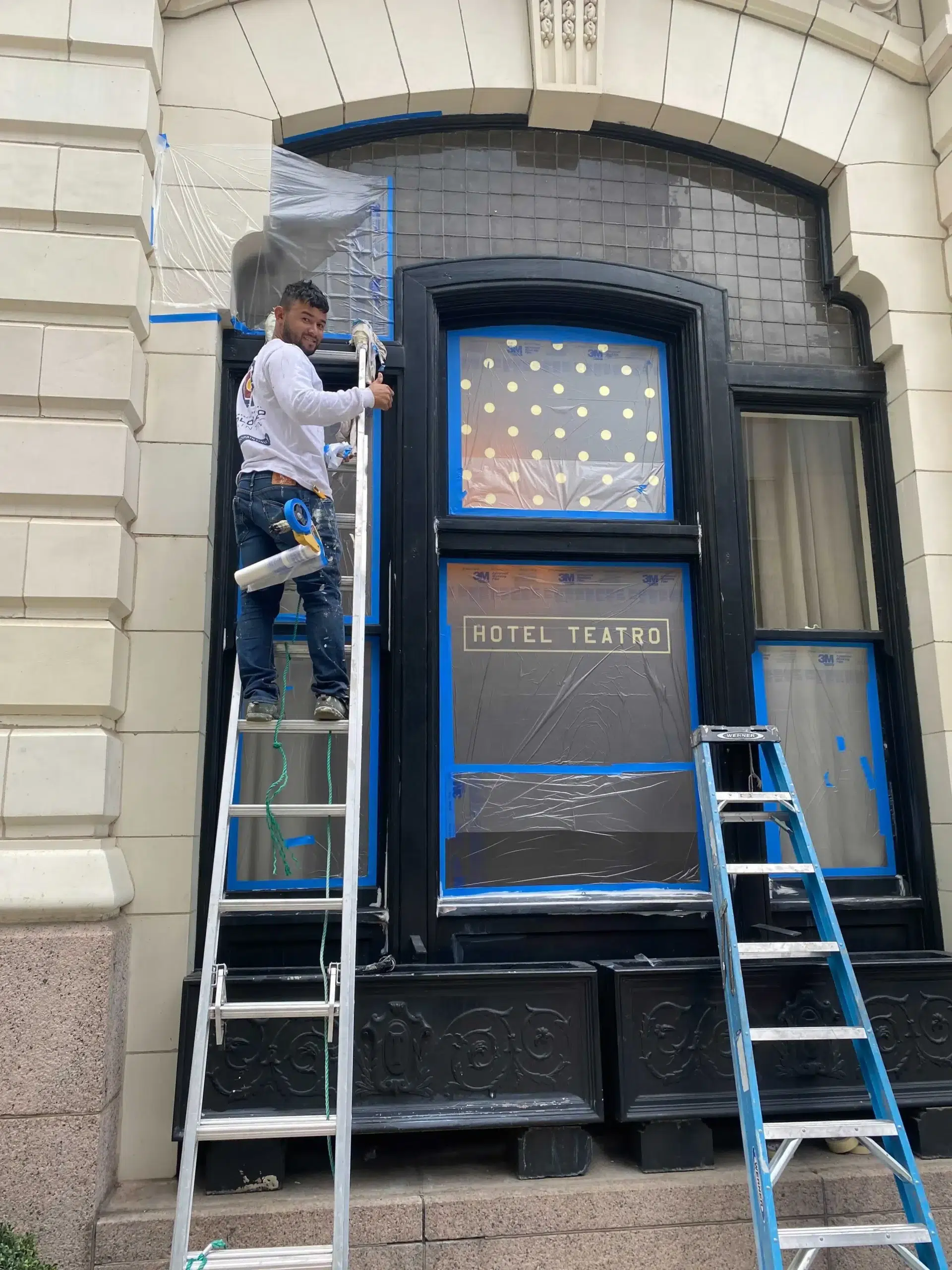
If you want to get rid of flaky, peeling, or bubbling paint, painting over it sounds like an easy enough solution, right? Unfortunately, it’s not that simple. Painting over old paint requires a specialized approach to ensure proper adhesion and a lasting finish. There are many steps involved in preparing, painting, and maintaining your newly-painted surface.
Can You Paint Over Old Paint?
You can paint over old paint, but it requires specialized techniques and a proper method. In some cases, painting over old paint is not recommended. Therefore, you have to assess your walls in great detail before determining your next step. If the paint on your walls adheres well and shows no significant peeling, you can paint over it. However, if the paint has lead, severe flaking, or moisture damage, it’s best not to paint over it until you resolve the underlying problem.
Tools and Materials You’ll Need
Before you start the process of painting over your old paint, here are a few tools and materials you should gather:
- Paint: Make sure you have the right quality, quantity, and color of paint.
- Drop cloths or plastic sheeting: These help you cover your floor and furniture to prevent spills and stains.
- Putty knife and filler: These let you fill and patch holes and dents in your wall.
- Sanding block and sandpaper: Use these to smooth patches and level the surface.
- Painter’s tape: This protects your trim, ceilings, and fixtures.
- Scraper: This is essential for removing peeling and flaky paint.
Painting Over Old Paint: A Step-by-Step Approach
Ready to paint over old paint and update your walls? Follow this step-by-step guide to ensure a lasting finish.
Assess the Surface Condition
The first step is assessing the surface condition. Check if your old paint is peeling or flaking; if it is, you will need to remove it before painting the walls. If you notice moisture damage or water stains, you may need to address the underlying water intrusion before repainting the surface. Any surface-level stains should be cleaned before repainting.
Prepare the Surface
The next step is preparing the surface for painting. Move furniture to create an accessible space for painting, cover fixtures, trim, and molding with painter’s tape, and cover your floor with plastic sheeting or drop cloths to prevent spills and stains. Use a paint scraper to remove any loose, peeling, or curling paint, and fill and patch holes with a filler. Before you start painting, use a fine-grit sandpaper to lightly sand glossy surfaces and patched areas, creating a grippy texture and improving paint adhesion.
Apply Primer
A primer creates a uniform, sealed surface that improves paint adhesion, color accuracy, and durability. Use a quality primer and apply a coat evenly over the surface.
Paint Over Old Paint
Once the surface is primed, it’s ready for paint. Apply at least two coats of your new paint over the surface. Let the first coat dry thoroughly before applying the second one. This will create proper adhesion and a smooth color, and prevent paint cracking and peeling.
Test and Monitor
Painting dries in a few hours, but proper curing can take a few days. That is why testing and monitoring are crucial after painting over old paint. Look for spaces that may indicate color unevenness or dents, and fix them promptly before cleaning the areas. Once the paint is cured, check its adhesion with a painter’s tape.
When to Call a Professional
You can DIY small painting projects on walls with no old paint issues easily. However, some projects require professional services.
Extensive Peeling or Structural Issues
If your walls have extensive peeling or structural issues, it might be best to call for professional painting services. An expert will recommend appropriate solutions to prepare the surface and strengthen the structure before starting the painting process.
Lead Paint Removal or Encapsulation
Lead paint is incredibly harmful to health, and removing it yourself can pose great health risks. Therefore, always call professional teams for lead paint removal or encapsulation services. They can offer tailored solutions while keeping you and your home safe.
Maintenance Tips After Painting Over Old Paint
Here are a few maintenance tips to help you take care of a newly painted surface:
- Regular Cleaning: Regularly clean your walls with a soft, damp cloth or a microfiber towel. Only use water or water mixed with a small amount of soap, if needed, and avoid using harsh chemicals.
- Humidity Control: Use a dehumidifier to maintain optimal humidity levels in your home. Excess humidity can lead to peeling and blistering.
- Exterior Care: Maintain some distance between the painted surface and other objects, like furniture, to prevent abrasion. Keep plants away from the wall to avoid moisture buildup.
Contact Us Today For Reliable Painting Services in Boise
Planning to revamp your home or business by painting over old paint? Contact Boise Commercial and Residential Painting for reliable, professional, and cost-effective painting services in Boise. Our experts will thoroughly assess the condition of your walls and recommend the best solutions to ensure a smooth finish and lasting appeal. Schedule a consultation today.