Commercial Repainting Schedule for Boise Properties
Boise buildings face harsh sun and cold winters that wear down exterior coatings. A proactive commercial repainting schedule protects your asset from weather damage while keeping your business looking its best.
Request a free commercial painting estimate from Paint Boise.
A professional commercial repainting schedule often needs a fresh coat of paint every five to ten years to keep property value and build strong curb appeal for businesses. The exact timing depends on the type; wood often needs care every three years while vinyl can last a decade based on the quality of the paint used. Local weather and traffic flow play a major role in paint failure; as noted by Paint Boise commercial painters, a set schedule prevents costly repairs to help save you money. This plan helps you budget for upkeep and choose the best season for the work to cut daily stops and keep properties looking great through the full year.
Every building has its own needs based on its use and the type of finish used on the outside. Understanding the commercial repainting schedule at a glance helps you stay ahead of peeling paint and wood rot. This guide shows you how to find wear and pick the right time for your next project.
Commercial repainting schedule at a glance
Most commercial buildings need fresh paint every 5 to 10 years to stay in good shape. This office repaint planning guide helps keep your building value high and attracts new clients. Physical care should start right after you finish a new project. This helps to slow down the natural wear of the site. A well-kept building shows people that you take pride in your work.
Typical timelines by surface type
The type of surface on your walls will change how often you need to paint. For example, stucco and brick walls mostly need a fresh coat every 5 to 7 years. Aluminum or vinyl siding can last longer. These materials can stay bright for up to 10 years before they start to look old or dull.
Wood walls need the most care because they react to moisture and sun. You should plan to repaint wood every 3 to 7 years to prevent rot or peeling. If you wait too long, deferring maintenance can lead to big repairs. These fixes often cost much more than a simple coat of paint. On the other hand, metal siding, structural steel, and machinery in industrial environments require high-performance coatings to resist corrosion. Our industrial painting services specialize in applying these protective barrier coatings to prevent structural deterioration.
Inside versus outside needs
High-traffic halls and lobbies need paint more often than back rooms. Most office rooms look best with a refresh every 3 to 5 years. This keeps the space bright and clean for your staff and guests. Choosing the right paint for each room can help the finish last longer through daily use.
The outside of your building is your first chance to look its best. Sun and rain in the Treasure Valley can make paint fade over time. Most outside walls should get a new coat every 5 to 7 years. This helps to shield the structure from the harsh local weather.
Factors that shift your planning
Your specific retail repainting intervals will depend on more than just time. Local weather like hot sun or freezing rain puts stress on your outside paint. High traffic flow inside a building also means walls get scuffed and dirty faster in some spots.
Well-kept sites can better handle high winds and storms. Regular checks help you find small cracks or bubbles before they become large problems. Proper surface prep and the right paint choice are key to making your finish last for many years. Premium paints are often the best choice for a long-lasting look.
Why a strict plan saves money
Small chips or cracks allow water to seep behind the paint. This can lead to rot in wood or rust on metal parts of your site. Catching these issues early during a planned repaint keeps your long-term costs low. It is much easier to fix a small spot than to replace a whole wall.
A fresh look shows that you care about your business. It builds trust with people who walk through your doors. Regular painting is a smart way to protect your asset. It keeps the market value of your building high for years to come.
Comparison by property type
Many types of businesses have unique needs for their painting schedules. A busy shop may need a touch-up much sooner than a quiet office block. Use the table below to see the baseline ranges for common commercial sites. For specialized storage and logistical spaces, a proper warehouse painting Boise plan is essential because heavy forklift traffic and structural exposure can speed up wear on both floors and walls.
| Property Type | Refresh Rate | Key Wear Factor | High-Traffic Areas |
|---|---|---|---|
| Offices | 5-8 Years | Office chair scuffs | Hallways and lobbies |
| Retail Stores | 3-5 Years | Moving stock and carts | Checkouts and entries |
| Restaurants | 2-4 Years | Heat and cooking oils | Dining rooms and kitchens |
| Hotels | 4-6 Years | Guest luggage bumps | Rooms and elevators |
| Multifamily | 5-7 Years | Moving furniture | Stairs and trim |
What changes a commercial repainting schedule?
Every building needs a clear plan to stay in good shape. A solid planning repaint timing helps you get ahead of wear and tear. While most shops and offices need new paint every five to ten years, many things can shift that date. Knowing these factors helps you plan your budget and keep your site looking its best.
Boise weather and site location
Local weather plays a big role in how long your paint lasts. Hot summer sun and cold winter snow put stress on outside walls. High winds and storms can also wear down the tough layer of your building. This weather stress makes steady checks needed for owners. Proper care is the best way to help a building last longer and stay safe from the storms.
The spot where your building sits also matters. A shop that faces the direct sun all day will fade faster than one in the shade. If your site is near a busy road, dirt and grime can build up on the walls. This buildup can trap water and cause the paint to peel. You may need to wash the walls often to keep the paint fresh. Regular cleaning helps you find small cracks before they turn into big leaks.
Surface type and foot traffic
The type of wall you have changes how often you must paint. Wood surfaces often need work every three to seven years. They can rot or warp if the paint fails to keep water out. Walls made of stucco or brick often go five to seven years between coats. Harder types like vinyl or metal siding can last seven to ten years before they need a fresh look.
Foot traffic is another key part of your plan. Busy spots like lobbies or hallways get scuffs and marks often. If many people touch or lean on walls, the paint will wear thin. You might need to touch up these spots every year or two. Retail stores often need more care than quiet office rooms to keep a clean look for guests.
Brand standards and tenant needs
Your brand image often sets your paint dates. A high-end hotel or shop must look perfect at all times. Even small chips or faded spots can hurt how guests see your firm. You may choose to repaint every few years to keep your colors bright and bold. Keeping a high standard for your site helps maintain its value and curb appeal.
Tenant change also impacts your timing. When a new firm moves into your building, they may want a new look. New tenants often need new colors to match their own brand. Use this time to check the walls and fix any hidden issues. A fresh coat of paint makes the space more nice to people looking for a new place to work.
Good care starts the moment a building is done. Checking for signs of wear every year can save you a lot of money. Small fixes now prevent big costs later. A well-set plan ensures your building stays strong and looks great for years to come.
What are the warning signs it is time to repaint?
Staying on a good commercial repainting schedule keeps your property safe and bright. Small signs of wear can lead to big costs if you ignore them. You should check your building exterior at least once a year to find early issues. If you see paint failure, it is time to act. Catching problems early prevents damage to the structure.
Visible surface damage
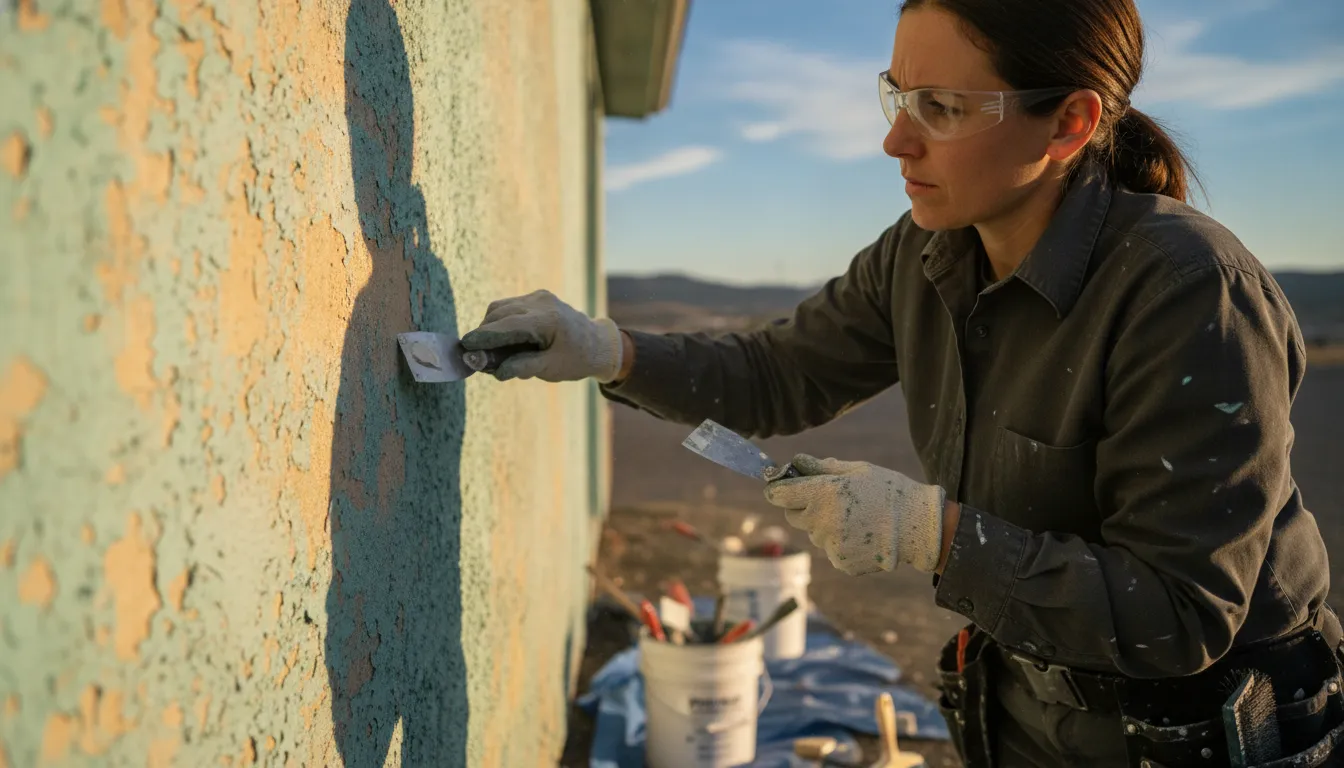
Peeling or bubbling paint is a clear sign that the bond has failed. This often happens from moisture getting behind the paint or poor prep work. Cracking is another warning sign. These cracks let water soak into the walls. This can lead to rot or mold. If the paint feels like chalk when you touch it, the sun is breaking it down.
You may also see stains or scuffs in busy areas. While some marks wash off, deep stains show the paint layer is too thin. For brick or stucco, look for fading or salt spots. These surfaces often need a property management painting plan every five to seven years to stay in top shape. If you wait too long, the repair costs will be much higher.
Structural and moisture issues
Old caulk around windows and doors is a major red flag. When caulk dries out and gaps appear, water can enter your building. This moisture can cause wood to swell or metal to rust. You might see rust streaks on your siding or trim. This shows the paint is no longer blocking air and water. Keeping up with your commercial repainting schedule helps prevent big repair bills.
Well-kept buildings suffer less damage from storms and high winds. If you see soft wood or damp spots, you must fix the water source first. Painting over wet or rotten wood will not last. A pro team can tell you if you need a fresh coat or new materials. Checking for these signs helps you keep your business looking its best.
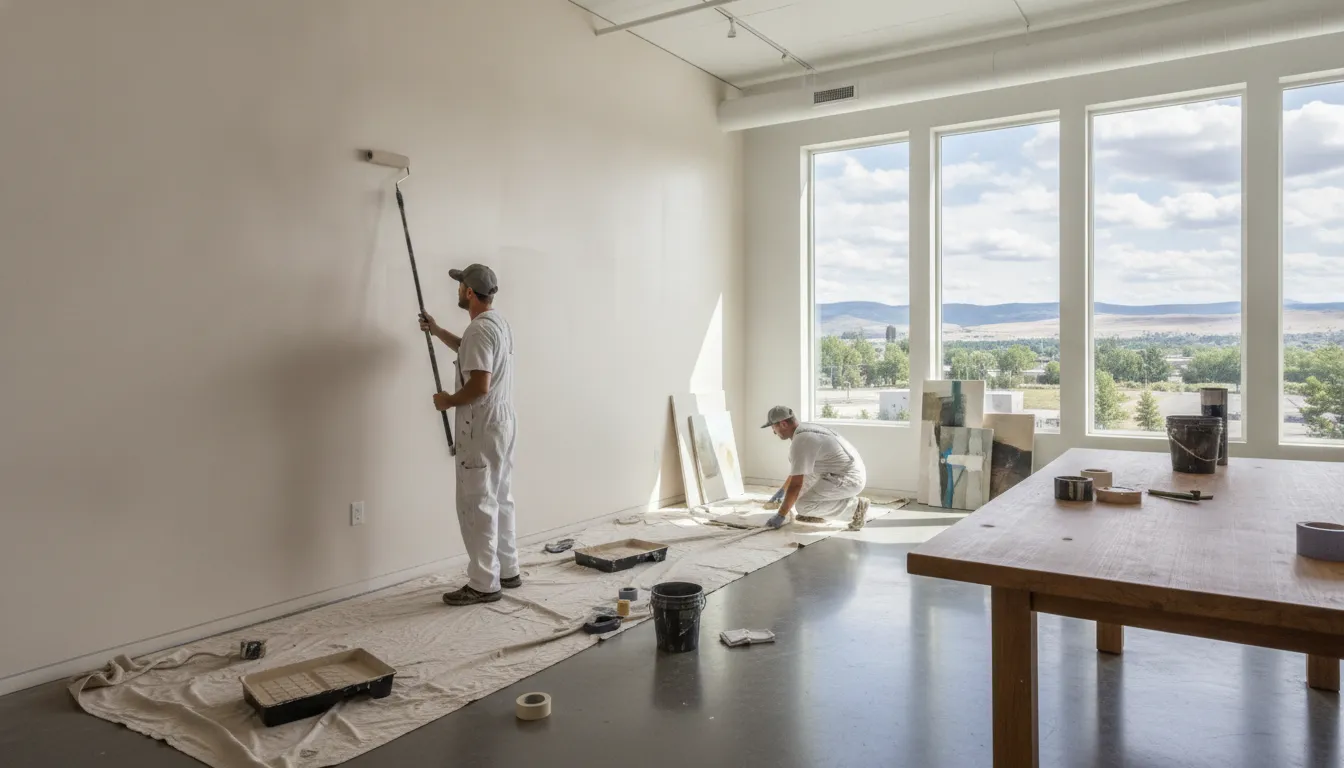
Planning repainting for offices and retail spaces
Keeping a fresh look in your office or shop is vital for your brand. A clean coat of paint shows clients you care about quality and detail. But planning work around a busy business day can be tricky. You need a clear plan to keep your doors open while the work gets done. Most property owners find that a solid office paint maintenance plan helps them stay on track. This lets you update your space without losing sales or work time.
Reducing work downtime
The best way to paint a retail store or office is to work in stages. You can split the project into zones so only one area is closed at a time. This step-by-step path lets you keep serving customers or housing staff in other rooms. Many teams choose to work during off-hours or weekends to avoid the rush. Busy zones like lobbies and entry ways often need work when the building is empty. This stops wet paint from slowing down your daily flow.
Good commercial painting plans also look at foot traffic to pick the best start time. You should check your slowest hours and book your crew then. This smart planning keeps your team happy and your guests safe. Proper care is the most cost effective method of lengthening the life of your building. It stops small wear from becoming a big repair bill later.
High traffic and brand image
Retail spaces face a lot of wear in certain spots. Fitting rooms, checkout counters, and display walls get scuffed fast. These high-touch areas may need a fresh coat every two or three years to stay sharp. If you wait too long, your shop might look tired or old. This can hurt your brand and drive people away. Regular checks help you find these spots before they stand out for the wrong reasons.
Offices have similar needs in hallways and break rooms. Moving chairs and heavy carts can dent or scratch the walls. Using tough, high-end paint helps these surfaces last longer against daily use. Paint Boise uses top brands that stand up to scrubbing and bumps. This keeps your work space looking new for years. A well-kept office helps build trust with your team and your guests.
Smart timing for different surfaces
The outside of your building needs care too. The retail repainting intervals for your exterior depend on what parts it is made of. Stucco and brick often stay in good shape for five to seven years. Wood needs more care and should be painted every three to seven years to stay safe from rot. If you have metal or vinyl siding, you might get ten years out of a single job.
Local weather in the Treasure Valley can also change your timeline. Hot sun and cold snow can make paint peel or fade. If you see cracks or bubbles, it is time to call a pro. Fixing these issues fast prevents water from getting into the walls. This saves you money on big repairs down the road. Staying ahead of the wear keeps your property value high and your business looking its best.
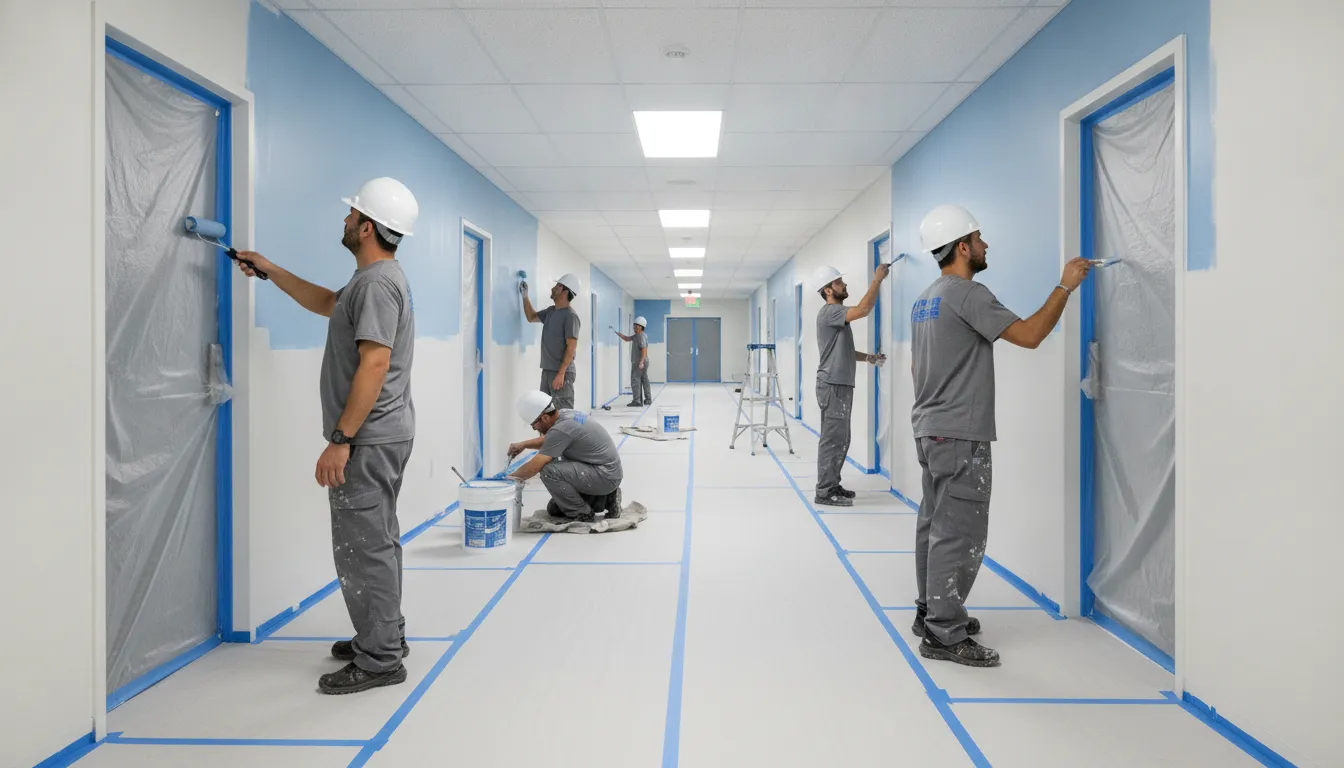
Planning repainting for hospitality and multifamily properties
Hospitality and multifamily buildings face high wear and tear. Managing a planning around business operations for these sites requires careful thought. You must balance the need for a fresh look with the needs of guests or renters. Proper care helps slow down the natural process of decay that starts right after construction. In the Treasure Valley, shifting weather can stress your paint. Hot sun and cold snow can cause peeling or fading. Regular checks help you find small problems before they grow into big repairs.
Managing hospitality and restaurant timelines
Restaurants and hotels stay busy most of the time. Working with professional hotel and restaurant painters helps you establish a low-disruption schedule. For these hospitality businesses, the best plan often involves working during off-hours with night shifts or early morning crews keeping the site open for guests. This avoids lost sales while still giving the space a new look.
Lobbies and halls need a tough finish. Guests often bump walls with bags and carts. We use scuff-resistant paint to keep these spots looking clean. Cleaning is also a big part of the job in these spaces. Kitchens and dining spots need deep cleaning before any paint goes on. Grease and dust can stop paint from sticking to the walls. We use high-grade paints that can handle frequent scrubbing. This helps the finish last longer even in tough spots.
Multifamily property turns and common areas
Apartment buildings and condos need a steady plan for upkeep. Common areas like halls and lobbies see a lot of foot traffic. These spots may need fresh paint every two to three years to look their best. Outside surfaces like stucco or wood often need work every five to seven years. Choice of paint matters for long-term care. Aluminum and vinyl siding may last seven to ten years before they need a new coat.
Unit turns are the best time to paint inside each home. When a renter moves out, you have a clear space to work. Our team can work with your team to finish these turns fast. Quick work helps you get new renters in sooner. This keeps your cash flow strong and your property looking great. We offer a five-year warranty on our work to give you peace of mind.
Phased work and working with property managers
Big projects often work best when done in stages. Phased work allows parts of the building to stay in use. We can paint one floor or one wing at a time. This keeps guests and renters happy while we finish the job. It also helps with property management painting plan across a whole year. You can spread the cost and the work to fit your budget.
Property managers need clear talk and firm dates. We provide regular updates so you always know the status of the job. Our no-deposit promise means you only pay when the work is done. This cuts risk for the property owner and ensures top work. Good talking ensures the project stays on track without any surprises. We work with you to plan every step of the process.
How to build a repainting plan that protects operations
A smart plan keeps your site in top shape without hurting daily work. Most experts agree that steady care is the best way to help a building last longer. If you wait until the paint is gone, you may face a crisis. Small issues can grow into big repairs that cost much more than a fresh coat of paint. A good building care plan helps you spot these needs early.
Protecting your site value
Paint does more than just look nice. It guards your walls from rain, sun, and high winds. Your commercial repainting schedule depends on your local weather and what your building is made of. Say, wood often needs paint every three to seven years. Stucco or brick can go five to seven years. Saving these dates helps you plan your costs before they become a surprise.
Busy shops or offices also have to think about foot traffic. High-traffic areas wear down fast and might need paint more often. When you stay on top of these small jobs, you keep your site looking fresh. This helps keep your site value and keeps your brand looking strong for clients.
Steps for a smooth painting plan
Use these steps to set up a schedule that works for your team and your budget.
- List every part that needs paint. Note if you have wood, metal, brick, or stucco walls. Each type needs its own care and its own timeline for fresh paint.
- Walk the site once a year to check the state of the walls. Look for signs of paint failure like peeling or chalking. Logging these changes helps you see how fast your walls age.
- Find and fix moisture problems first. Water that gets behind paint can rot wood and cause big damage. You must fix leaks and wet spots before you add a new coat of paint.
- Choose between a full paint job or phased work. Some buildings work best when you paint in sections. This lets you keep the doors open and avoid blocking staff or clients.
- Pick a time that fits your traffic flow. You might plan the work for weekends or night shifts. A clear repaint maintenance planning lets everyone know what to expect and when.
Good records are the secret to a great plan. Keep a log of every paint job, with the dates and the colors used. This data makes it easy to set a budget for next year. It also ensures your site stays safe and looks its best for years to come.
How does Boise weather affect repaint timing?
Boise’s climate plays a major role in your office repaint guide. The high desert environment in the Treasure Valley brings extreme heat in the summer and freezing temperatures in the winter. These shifts cause building materials to expand and contract, which can stress the paint film over time. To keep your property looking its best, you must plan your project around these local patterns.
How the sun affects your exterior
The intense Boise sun can be tough on paint. UV rays break down the binders in paint, leading to fading or chalking. This is why many buildings in our area need a fresh coat every 5 to 10 years to protect the asset. Proper maintenance is the most cost effective method of extending the life of a building. When the sun beats down on dark colors, the surface can get very hot, making the paint age faster.
Why moisture and cold matter
Winter in Boise brings snow and rain that can lead to moisture issues. If water gets behind the paint, it can cause peeling or rot, especially on wood surfaces. We often find that paint failure on wood happens when moisture gets behind the material. Freeze-thaw cycles are also common here. When water freezes inside small cracks, it expands and makes the damage worse. This makes it vital to check your building for signs of wear after the winter ends.
The best time to schedule work
Most exterior painting happens between late spring and early fall. We look for dry days when the air is not too cold or too hot. Extreme heat can make paint dry too fast, while cold can stop it from bonding well. Setting a property management painting plan during mild months ensures the best results. Using high-quality paint also helps the finish last through our local weather shifts for many years.
Frequently Asked Questions
Is autumn too late to schedule exterior commercial painting?
Autumn is not too late for commercial painting in Boise if the weather stays dry. Professional painters can work as long as the temperature stays above 35 degrees at night. However, fall rain can delay projects because surfaces must be dry before applying a new coat. Scheduling your project in early autumn ensures the paint cures correctly before the winter frost arrives. This helps property owners avoid the spring rush and maintain their building’s fresh look.
How can you schedule a commercial painting project without disrupting business?
You can schedule a commercial painting project by using a phased approach. This method allows crews to work on one zone at a time while your business stays open in other areas. Many contractors also offer after-hours or weekend shifts to lower noise and fumes during your peak work times. Clear communication with your staff and customers about the timeline will ensure a smooth process. Proper planning helps you update your brand image without losing any sales.
Does the color of the paint affect the repainting schedule for a building?
Yes, paint color can change how often you need to schedule a repaint. Darker colors tend to soak up more heat and sun rays, which can cause them to fade or peel faster in the Boise sun. Lighter shades often last longer because they reflect light and stay cooler. According to Paint Boise, choosing high-quality, fade-resistant colors is essential for keeping your exterior bright for five to ten years.
What is the best temperature for scheduling exterior commercial painting?
The best temperature for most commercial painting projects is between 50 and 90 degrees Fahrenheit. If it is too cold, the paint will not stick to the surface. If it is too hot, the paint might dry too fast and leave streaks. Professional teams use special paints that allow for work in cooler or warmer Boise weather. Proper temperature control is a key factor in making a strong coat that protects your property for years.
Ready to set up your commercial repainting schedule?
Putting off your next paint job can lead to deep wood rot and rust which will cost much more to fix if you wait too long. A new coat of paint today stops damage before it starts and helps your business look great for every person who walks in the door. By booking your painting service now, you can beat the busy season and ensure your shop stays safe from the harsh Boise wind and rain. Our team works fast to get your project done so you can stay focused on your goals while we take care of the hard work. We use the best tools and paint to give your building a fresh look that lasts for many years without peeling in the sun.
Ready to request a commercial painting estimate? Contact Paint Boise to get a free consultation with a local pro.