
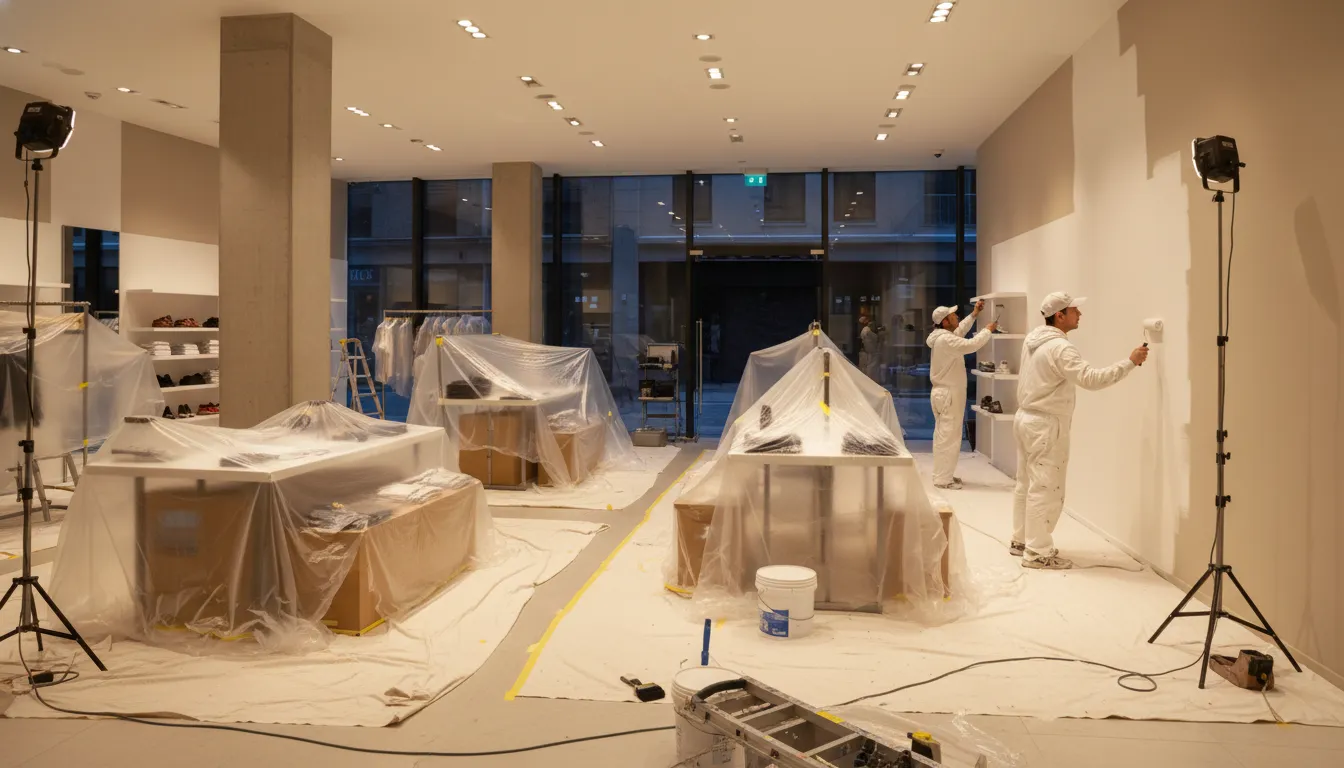
The wrong painting schedule can turn a routine refresh into lost sales and customer complaints. The right contractor plans around shoppers, staff, inventory, and every surface that must stay open.
Retail store painting contractors should protect daily operations while delivering durable finishes that withstand carts, stock movement, frequent cleaning, and constant customer traffic. Before hiring, compare each contractor’s off-hours scheduling, surface preparation process, coating recommendations, safety plan, crew capacity, and communication routine. A strong proposal should explain closures, merchandise protection, ventilation, noise control, daily cleanup, and which manager receives progress updates throughout the entire project. Because Paint Boise offers night and weekend scheduling to reduce disruption, retailers should ask how crews will phase work and reopen each section. They should also name the products, sheen, cure times, and warranty terms. Clear answers show whether a contractor can keep the store presentable, meet the promised timeline, and deliver a finish built to last.
The core question is not simply who can paint the walls, but who can protect sales while doing it. Before comparing bids, define What retail businesses should expect from painting contractors, then test every proposal against that standard during every shift. Here’s how.
What retail businesses should expect from painting contractors
Retail painting has to fit around shoppers, staff, stock, and daily sales. A capable contractor should plan for those needs before the first can is opened. Store owners should expect a clear scope, controlled work zones, and steady updates from start to finish.
A detailed scope before work starts
The proposal should name each surface, repair, coating, color, and finish included in the job. It should also explain surface prep, paint methods, work hours, and cleanup. This detail helps the store owner compare bids and spot gaps before they cause delays.
- Rooms, walls, ceilings, trim, doors, and exterior areas included
- Prep work such as patching, sanding, caulking, and priming
- Paint products, colors, sheen levels, and expected coats
- Work schedule, access needs, cleanup duties, and final inspection
Store owners should also confirm who directs the crew and handles changes. As a useful screening model, Washington Labor and Industries asks whether an independent contractor works free from the hiring party’s control. A contractor’s project lead should manage painters, answer questions, and keep the agreed scope on track.
Clean work zones and protected merchandise
Retail store painting contractors should explain how they will separate active work from open sales areas. The plan may include barriers, warning signs, covered paths, and planned entry points. It should also set daily cleanup rules so dust, tools, and supplies do not spread through the store.
Merchandise, shelving, displays, floors, registers, and fixed equipment need a clear protection plan. The contractor should state what the crew will move and what store staff must move. Items left in place should be covered. Fixtures should be masked to protect edges and working parts.
Scheduling matters just as much as clean work zones. Night or weekend work can keep noisy prep and wet paint away from shoppers. Paint Boise’s professional commercial painting services page outlines options for businesses planning work around normal operations.
Communication and customer safety
Before each shift, the contractor and store contact should confirm the work area, access route, and planned handoff time. After each shift, the store should get an update on finished work, open issues, and the next planned area. One point of contact keeps decisions clear when conditions change.
Customer safety calls for more than a tidy floor. Contractors should plan how to control access, store tools, manage cords, and keep exits clear. They should also discuss airflow, drying time, and when painted areas can reopen. This keeps shoppers and merchandise away from active work.
A final walkthrough should compare the finished work with the written scope. Store owners can note touchups, check protected fixtures, and confirm cleanup before approval. For more screening questions, review this guide to hiring the right commercial painting contractor.
How should retail painting be scheduled?
Schedule retail painting around the work customers and staff must do each day. A clear plan protects access, keeps wet areas closed, and gives each coat enough time to cure. Retail store painting contractors should map that plan before crews arrive.
Store-hour planning
Start with the store calendar, not the painter’s calendar. Mark opening hours, deliveries, stocking periods, busy sales days, and planned events. Then identify the spaces that must stay open, such as entrances, checkout lanes, fitting rooms, and staff routes.
Night and weekend work can reduce disruption when daily customer traffic limits access. Paint Boise offers these options as part of its professional commercial painting services. Overnight work still needs a morning handoff, so staff can confirm that barriers are secure and each reopened area is ready.
Phased work plan
Divide the store into zones that crews can finish, inspect, and reopen in a set order. A phased plan keeps the whole sales floor from becoming a work area at once. It also gives managers a clear way to move displays and guide customers.
-
Map store operations. Record store hours, peak traffic, deliveries, staff shifts, and emergency routes. Note any area that cannot close during the project.
-
Set work zones. Group walls, ceilings, trim, and back-of-house spaces into practical phases. Keep customer paths clear and avoid blocking two nearby zones together.
-
Choose work windows. Assign each phase to daytime, overnight, or weekend work. Leave time after preparation and painting for cleanup, inspection, and safe reopening.
-
Check product cure needs. Confirm when each coating can be touched, recoated, cleaned, or exposed to normal store traffic. Build those limits into the reopening time.
-
Confirm each handoff. Have the crew lead and store manager review completed zones before the next phase starts. Record open items and any schedule change.
Manager handoffs and cure time
Choose one store manager and one crew lead to handle daily decisions. The manager should define access needs and approve handoffs, while the contractor directs its own crew. This clear split also fits guidance for an established contractor that works free from the hiring party’s supervision, direction, or control.
Before each shift, confirm the active zone, access point, barriers, ventilation plan, and expected finish time. Afterward, review cleanup, touch-ups, and which surfaces must remain unused. Contractors should explain cure limits in plain terms, since dry-looking paint may not be ready for normal wear.
Weather, repairs, and store needs can change the sequence. Build a simple update process into the schedule, with one decision maker on each side. When comparing bids, ask how hiring the right commercial painting contractor affects off-hours staffing, phased work, and daily communication.
How contractors reduce disruption during store painting
Good retail store painting contractors treat the sales floor as an active workplace, not an empty jobsite. Before work starts, they map customer paths, stock risks, work zones, and the store’s busiest hours. That plan keeps painting tasks separate from shopping and staff duties.
Containment, air control, and inventory protection
Crews first isolate the active zone with sealed plastic barriers and clear floor protection. They cover shelves, displays, fixtures, registers, and nearby stock before sanding or painting begins. Dust-producing prep stays inside the contained area, while filtered air equipment helps keep loose dust from spreading.
Product choice and airflow also shape odor control. Contractors can plan ventilation, close doors between zones, and schedule odor-producing work after customers leave. Open paint, tools, and waste should never sit near uncovered inventory or a customer route. These concerns are especially critical in food service environments, where specialized restaurant painting crews apply low-odor, food-safe coatings during closed hours.
A written safety plan should name who controls each work area and who supplies equipment. This keeps store staff from directing trade work or moving contractor tools. Washington Labor and Industries asks whether a contractor is free from the client’s direction or control when assessing independent contractor status.
Safe routes for customers and staff
A store can often remain open when the project moves through small, planned zones. Crews use barriers, cones, and signs to steer people away from wet paint, ladders, cords, and floor coverings. Temporary routes must stay simple, visible, and wide enough for normal store traffic.
The site lead should review each day’s route with the store manager before opening. That check covers entrances, exits, restrooms, registers, deliveries, and staff-only areas. If a route changes, signs and barriers should change before customers enter.
Off-hours work can remove the hardest tasks from the shopping day. Paint Boise offers night and weekend scheduling as part of its professional commercial painting services. A phased schedule can also keep key departments open while another area receives prep or paint.
Daily cleanup and clear communication
Cleanup is a daily task, not a final-day task. Before a zone reopens, crews should remove waste, secure tools, vacuum dust, check coverings, and inspect for wet surfaces. They should also confirm that signs match the current work zone.
Short daily updates help the store plan staffing, deliveries, and customer notices. The contractor should state what was finished, what comes next, which areas are closed, and when each zone can reopen. One site lead should handle questions so instructions stay clear.
- Before work: confirm the zone, customer route, protected stock, ventilation plan, and expected handoff time.
- After work: inspect cleanup, remove trip risks, update signs, and record any issue that needs follow-up.
- Before reopening: walk the route with the manager and confirm the space is ready for normal use.
These controls make disruption easier to predict and manage. They also give store managers a clear way to judge whether the crew is protecting customers, staff, and inventory throughout the project.
Choosing durable finishes for high-traffic retail spaces
A durable retail finish starts with a clear match between the coating, the surface, and daily wear. Walls near carts need different protection than ceilings or fitting rooms. Retail store painting contractors should map those conditions before naming one product for the whole store.
Match sheen to daily contact
Sheen affects both appearance and upkeep. Flat and matte finishes soften glare and hide minor surface flaws, but they can be harder to clean. Satin and semi-gloss finishes reflect more light and make routine wipe-downs easier. They can also reveal dents, patches, and poor prep.
Think in zones rather than broad rooms. A calm matte wall can suit an upper display area, while satin may work better near checkout lines. Semi-gloss is often a practical choice for doors, trim, and other touch points. This approach keeps shine from taking over the sales floor.
| Finish or coating | Likely retail applications | Benefits | Tradeoffs |
|---|---|---|---|
| Matte or flat acrylic | Ceilings and low-contact display walls | Low glare; helps hide small flaws | Less suited to frequent cleaning |
| Eggshell acrylic | General sales-floor walls | Soft look with moderate cleanability | May show wear at busy touch points |
| Satin acrylic | Entries, checkout areas, and corridors | Easier routine cleaning | Highlights more surface flaws |
| Semi-gloss acrylic | Doors, trim, counters, and restrooms | Smooth surface for repeated wipe-downs | More shine; prep flaws stand out |
| Waterborne epoxy coating | Stockrooms and demanding service zones | Harder finish for frequent contact | More involved prep and application |
Preparation before product
Even a hard coating can fail when it covers dust, grease, loose paint, or glossy surfaces without proper prep. Repairs also need enough care to keep patches from showing through higher sheens. Paint Boise treats surface preparation as the foundation of a lasting paint job. For non-retail facilities like factories and warehouses where flooring faces constant machinery traffic, our specialized industrial floor coatings provide the necessary impact and abrasion resistance.
Ask the contractor to define cleaning, patching, sanding, priming, and test areas in the scope. The plan should name each coating and its assigned surfaces. That detail makes bids easier to compare and gives the crew a clear standard. It also helps store teams plan access around fixtures and displays.
A practical finish schedule
A finish schedule turns coating choices into a simple room-by-room plan. Record the substrate, current condition, prep steps, product type, sheen, color, and cleaning needs for each zone. Your provider of professional commercial painting services can then flag areas that need a tougher system or a sample first.
Include the approved schedule in the project scope before work starts. As one useful vetting check, confirm that the contractor operates as a separate business with its own methods and equipment. A Washington State contractor checklist presents those points as questions for hiring parties. Clear scope details help protect the intended result without relying on unsupported lifespan promises.
What should you ask before hiring retail store painting contractors?
A good interview should reveal how a contractor will protect your store, schedule, budget, and finished surfaces. Ask each bidder the same core questions, then compare written answers instead of relying on a quick sales conversation.
Retail work has added pressure because customers, staff, displays, and daily sales may share the space. The right questions help you spot vague estimates and weak plans before work starts.
Scope, preparation, and materials
Start by asking exactly what the estimate includes. A clear scope should name each surface, prep task, paint system, number of coats, and excluded item. It should also explain who moves fixtures and protects merchandise.
- Which walls, ceilings, doors, trim, floors, and exterior areas are included?
- How will you test, clean, repair, sand, prime, and prepare each surface?
- What paint brand, product line, sheen, and color will you use?
- How many coats are included, and what could require another coat?
- Who will move racks, cover inventory, protect floors, and reset displays?
Ask why each coating fits its location. Checkout lanes, fitting rooms, and stock areas face different wear. A contractor offering professional commercial painting services should explain those choices in plain language.
Scheduling, communication, and store protection
Next, test the contractor’s plan for keeping your business open and safe. Ask whether crews can work during nights, weekends, or planned closures. Confirm how noise, odors, drying time, and blocked aisles will affect operations.
- Who is my daily contact, and how often will I receive progress updates?
- What are the planned start date, work hours, milestones, and finish date?
- How will you separate active work from customers, staff, and inventory?
- What is your plan for dust, fumes, wet paint, tools, ladders, and spills?
- Can you show current liability insurance and workers’ compensation coverage?
- What happens if your crew misses a shift or the store schedule changes?
Insurance and contract rules differ by state, but proof still matters. For example, Pennsylvania’s contractor guidance explains that its registration law sets minimum insurance requirements. Ask for certificates, then confirm coverage dates and limits with the listed provider.
References, changes, cleanup, and guarantees
Finish by checking how the contractor handles problems after the estimate is signed. Request recent references from active retail sites with similar hours, surfaces, and project size. Ask those references about communication, cleanliness, schedule control, and final quality.
- May I contact recent retail clients and view a finished project?
- Is the price fixed, and which conditions could change it?
- Who must approve a change order before added work begins?
- How will daily cleanup, final cleanup, waste removal, and touch-ups work?
- What does the warranty or guarantee cover, exclude, and require from me?
- How quickly will you inspect and fix a valid warranty issue?
- When are payments due, and is final payment tied to a walkthrough?
Get every key answer in the proposal or contract. Verbal promises are hard to compare and easy to forget. A written checklist also makes hiring the right commercial painting contractor more consistent across several bids.
How to compare retail painting proposals
A like-for-like scope review
Start by placing each proposal beside the same written scope, rather than comparing only the total price. A lower bid may leave out repairs, detailed preparation, extra coats, or work in hard-to-reach areas. Check which walls, ceilings, doors, trim, fixtures, and exterior surfaces are included.
Ask each contractor to list paint brands, product lines, colors, sheen levels, coat counts, and application methods. The proposal should also state who moves displays, protects merchandise, removes signs, and handles final cleanup. This detail makes it easier to compare professional commercial painting services on equal terms.
- Confirm whether surface repairs and primer are included.
- Check allowances for color changes, accent walls, and added coats.
- Note exclusions, change-order rates, payment terms, and warranty coverage.
- Ask how unexpected damage will be priced and approved.
Preparation and operating plans
Preparation is more than a line labeled “prep.” Ask how crews will clean, patch, sand, prime, and test each surface. Retail store painting contractors should explain how that plan changes for drywall, metal, masonry, wood, and previously coated areas.
Then compare how each bidder plans to protect daily operations. Look for work zones, night or weekend schedules, ventilation plans, drying time, customer routes, and daily cleanup steps. Ask who coordinates with store managers and how schedule changes will be shared.
Safety and site control also belong in the bid. Confirm insurance, crew supervision, equipment, and responsibility for barriers or warning signs. A state contractor hiring guide suggests checking whether a contractor is an established business that works free from the client’s direction or control.
Overall value and contract fit
Price matters, but it should reflect the full plan and the risk carried by each party. A complete bid may cost more because it includes sound preparation, off-hours labor, better site control, or clearer warranty terms. Ask bidders to explain major price differences instead of assuming the lowest total offers equal value.
Before selecting a partner, compare communication, retail experience, crew capacity, start dates, and the proposed completion plan. Review references for similar operating stores, then confirm who has authority to solve problems on site. Our guide to hiring the right commercial painting contractor offers more questions for the final review.
The strongest proposal is clear enough to become a useful project plan. It defines the work, protects store operations, assigns responsibility, and sets a fair process for changes. Choose the contractor whose scope and operating plan best fit the store, not simply the lowest number.
Frequently Asked Questions
What do commercial painters charge for retail projects?
Retail painting costs depend on square footage, surface condition, access, coating choice, crew size, and the hours when work can occur. Night or weekend work may affect labor costs, while careful preparation can increase the initial estimate but support a longer-lasting finish. Ask each contractor for an itemized estimate that separates preparation, materials, labor, and optional work.
How do you evaluate retail store painting contractors?
Compare contractors based on relevant retail experience, insurance, safety practices, references, scheduling capacity, surface preparation, and warranty terms. Request a written scope that names the coatings, number of coats, work areas, protection methods, and cleanup duties. Also confirm who manages the crew and communicates schedule changes. Paint Boise identifies efficient coordination and off-hours scheduling as important needs for commercial projects.
How can retail stores minimize disruption during painting?
Divide the project into small work zones and schedule painting during nights, weekends, or the store’s quietest hours. Keep entrances, checkout areas, and emergency routes open whenever possible. Contractors should isolate active work, control dust, post clear signs, and coordinate daily cleanup. Paint Boise offers night and weekend scheduling to help limit disruption to business operations.
What durable finishes are best for high-traffic retail stores?
The right finish depends on the surface, cleaning routine, moisture exposure, and expected contact. Washable, scuff-resistant coatings are often practical for sales floors, corridors, fitting rooms, and checkout areas. The coating alone does not determine durability. Thorough cleaning, repairs, sanding, and priming help paint bond properly, and surface preparation supports a longer-lasting result.
What questions should I ask painting contractors before hiring?
Ask who will supervise the work, when crews will be onsite, and how they will protect customers, merchandise, floors, and fixtures. Confirm the preparation steps, coating system, cleanup plan, change-order process, warranty, insurance, and final inspection procedure. Request a detailed written schedule and scope. Also ask how the contractor will handle delays or unexpected repairs without disrupting store operations.
Ready to Plan Your Retail Painting Project?
Waiting too long to repaint can allow scuffs, fading, and worn surfaces to shape how customers view your store before they shop. Starting now gives you time to compare contractors, confirm preparation steps, select durable finishes, and reserve work hours that fit your operations. Early planning also helps your team prepare staff, displays, and customer routes so the project can move forward with fewer avoidable disruptions.
Ready to build a practical painting plan around your retail schedule and finish needs? Use the first conversation to share your preferred work hours, customer traffic patterns, surface concerns, and the results your store needs. Request a commercial painting quote to discuss your Boise-area project with Paint Boise and start shaping a schedule that supports daily operations.