How much does it cost to paint a building in Boise? There is no responsible one-size-fits-all answer. A useful estimate depends on the property type, surfaces, preparation, access, coatings, schedule, and the conditions at the site. This guide explains what shapes a building painting cost so you can plan a realistic project and compare estimates with confidence.
Request a Boise painting estimate for your property
What Determines Building Painting Cost in Boise?
Professional painting is a site-specific service. Two buildings with similar floor areas can require very different amounts of labor and materials. A straightforward repaint over sound surfaces is not the same scope as a project that includes repairs, peeling coatings, high access points, or a specialized finish.
Short answer: building painting cost is shaped by the amount of surface to cover, the condition of that surface, the preparation required, the coating system, the difficulty of access, and the schedule. A reliable estimate explains each of those factors instead of hiding them inside one unexplained number.
Size and scope
Square footage helps a contractor understand the scale of a project, but it is only the starting point. The estimate also needs to identify which surfaces are included. A residential scope may cover walls, ceilings, trim, doors, cabinets, or an exterior facade. A commercial scope may include several floors, multiple buildings, corridors, stairwells, tenant areas, equipment rooms, or exterior elevations.
More surfaces usually mean more masking, protection, setup, cleanup, and coordination. A quote should state whether it covers one room, a full interior, an exterior, a common area, a complete facility, or a defined phase of a larger improvement project. Ask for exclusions in writing as well as included surfaces.
Surface condition and preparation
Preparation is one of the most important cost drivers because new paint cannot correct a failing surface. The crew may need to clean, scrape, sand, patch, caulk, repair drywall, address minor wood deterioration, or prime exposed areas before applying finish coats. Older properties and surfaces with peeling or chalking paint can need more preparation than a recently maintained building.
Preparation also protects the result. Skipping a repair or painting over loose material can lead to premature peeling and an uneven finish. A transparent estimate separates preparation from application so you can see what work is being recommended and why.
Preparation can include different steps on different surfaces. A wall with nail holes may need patching and sanding. A previously painted exterior may need washing, scraping, spot priming, and caulking. Cabinets may need careful cleaning, deglossing, sanding, and a compatible primer. Metal or masonry may need surface-specific cleaning and coating decisions. The right scope depends on what the crew finds at the property.
Paint, primer, and coating requirements
Paint selection depends on the surface, location, exposure, desired appearance, and expected use. Interior walls, trim, cabinets, masonry, siding, metal, and commercial floors can require different products and application methods. Primer may be needed for bare, repaired, stained, porous, or difficult-to-coat surfaces.
A professional estimate should identify the type of coating, the intended finish, and the number of coats included when those details can be determined during the site assessment. Choosing the least expensive product without considering coverage, durability, cleaning, or exposure can create a false economy. The right question is not only “What does the paint cost?” but also “What system is appropriate for this surface and use?”
Access, height, and site safety
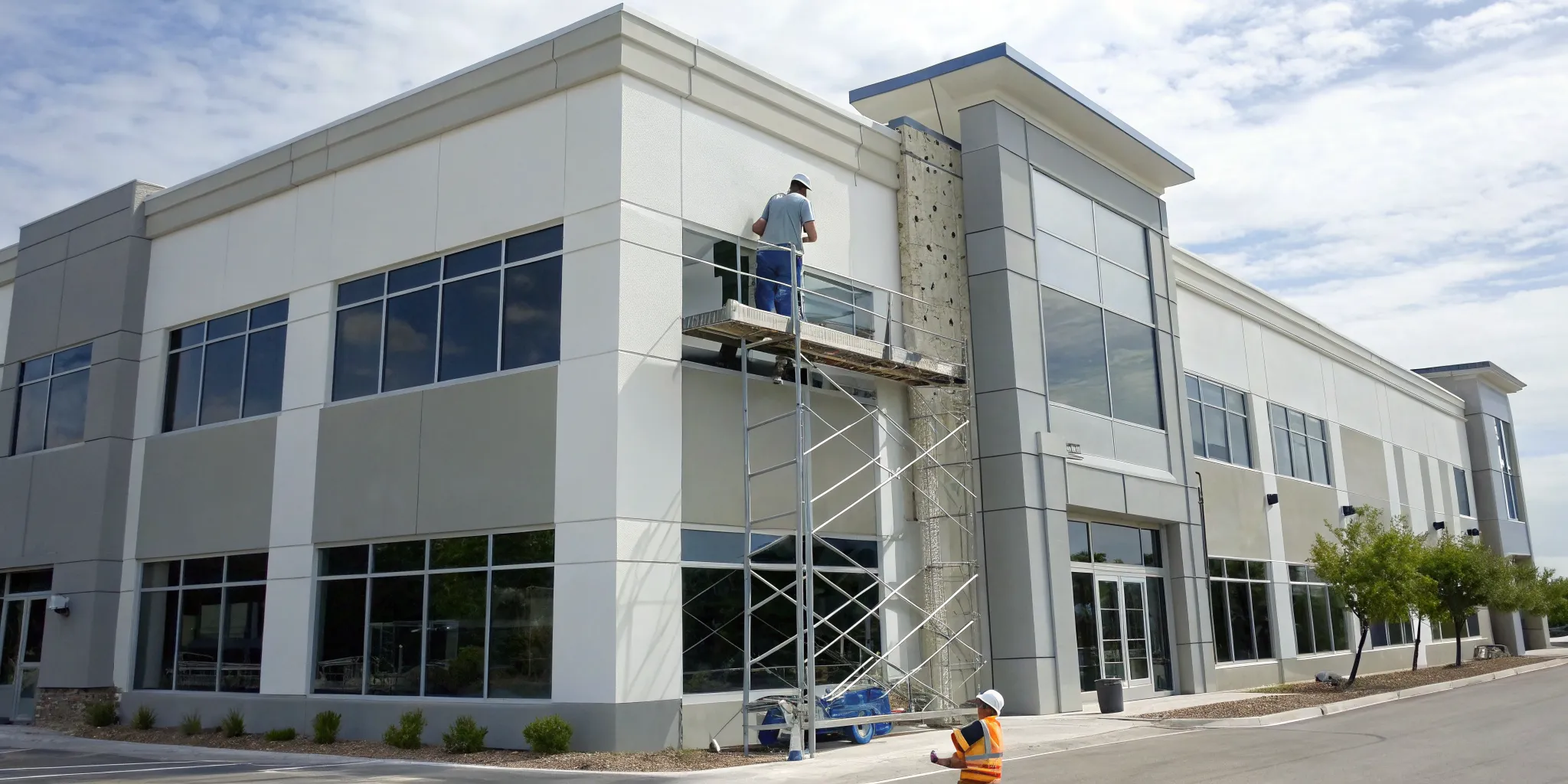
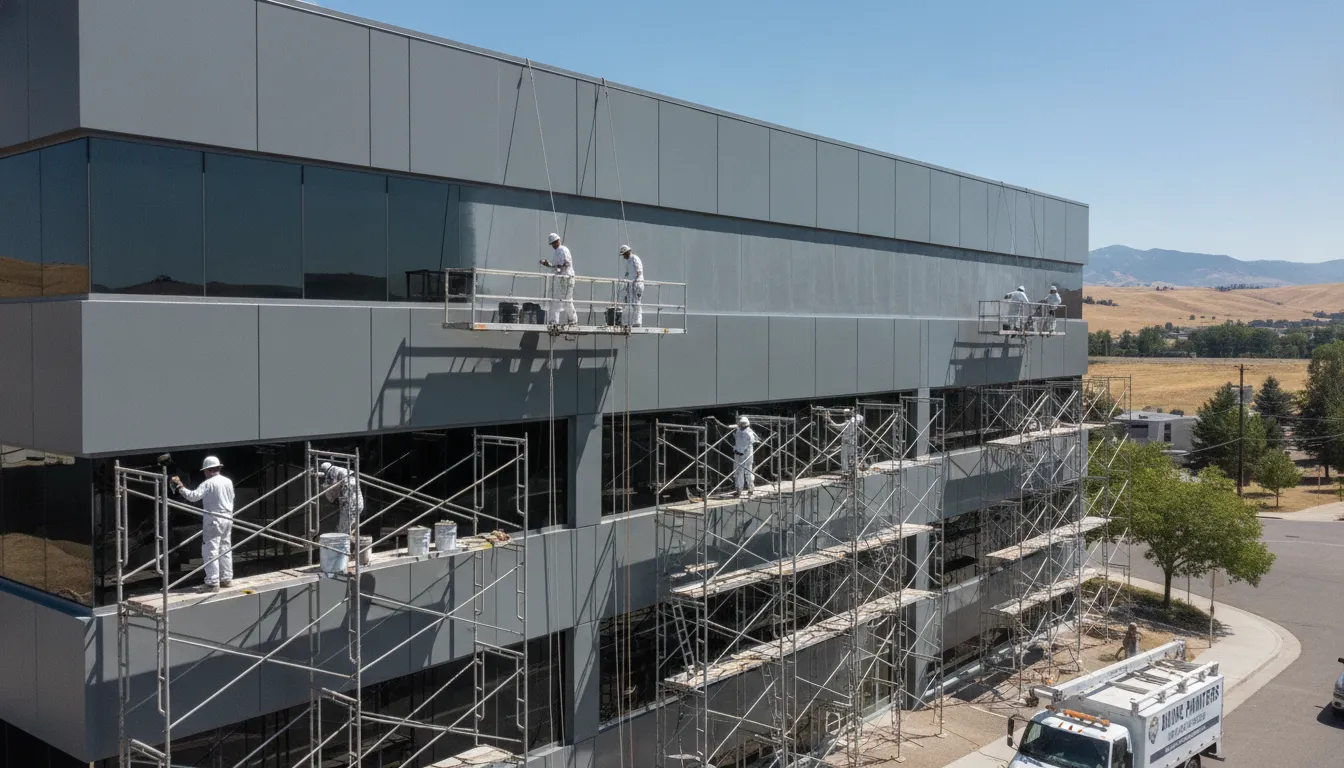
Easy access keeps a crew moving. High ceilings, multi-story exteriors, tight work areas, steep grades, fragile landscaping, and limited parking can add setup time. Exterior work may require ladders, scaffolding, lifts, fall protection, or additional site controls. Commercial buildings may also need controlled access around employees, customers, tenants, vehicles, or operating equipment.
Access planning is especially important for commercial leads. A contractor may need to coordinate work hours, loading areas, security requirements, shutdowns, dust control, or phased access. These details do not mean a project is out of reach. They mean the estimate should reflect the actual conditions instead of assuming an open, empty worksite.
Timing, weather, and scheduling
Interior painting can often be scheduled around the property owner’s preferred dates, but occupied homes and active businesses still require careful planning. Exterior painting in Boise and the Treasure Valley depends on suitable temperatures, dry surfaces, and a workable weather window. Wind, rain, overnight temperatures, and smoke or dust conditions can affect preparation and application.
A commercial project may also cost more to coordinate when the work must be performed after hours, in short phases, or around a fixed opening date. Share your target schedule early. A contractor can then explain what is realistic and whether a phased plan would reduce disruption.
Residential vs. Commercial Building Painting Costs
Residential and commercial painting are related services, but the estimate process is not identical. The building’s use, occupants, surfaces, access, and scheduling requirements shape the work. Paint Boise serves both property owners and commercial decision-makers throughout Boise and the surrounding Treasure Valley.
Residential projects
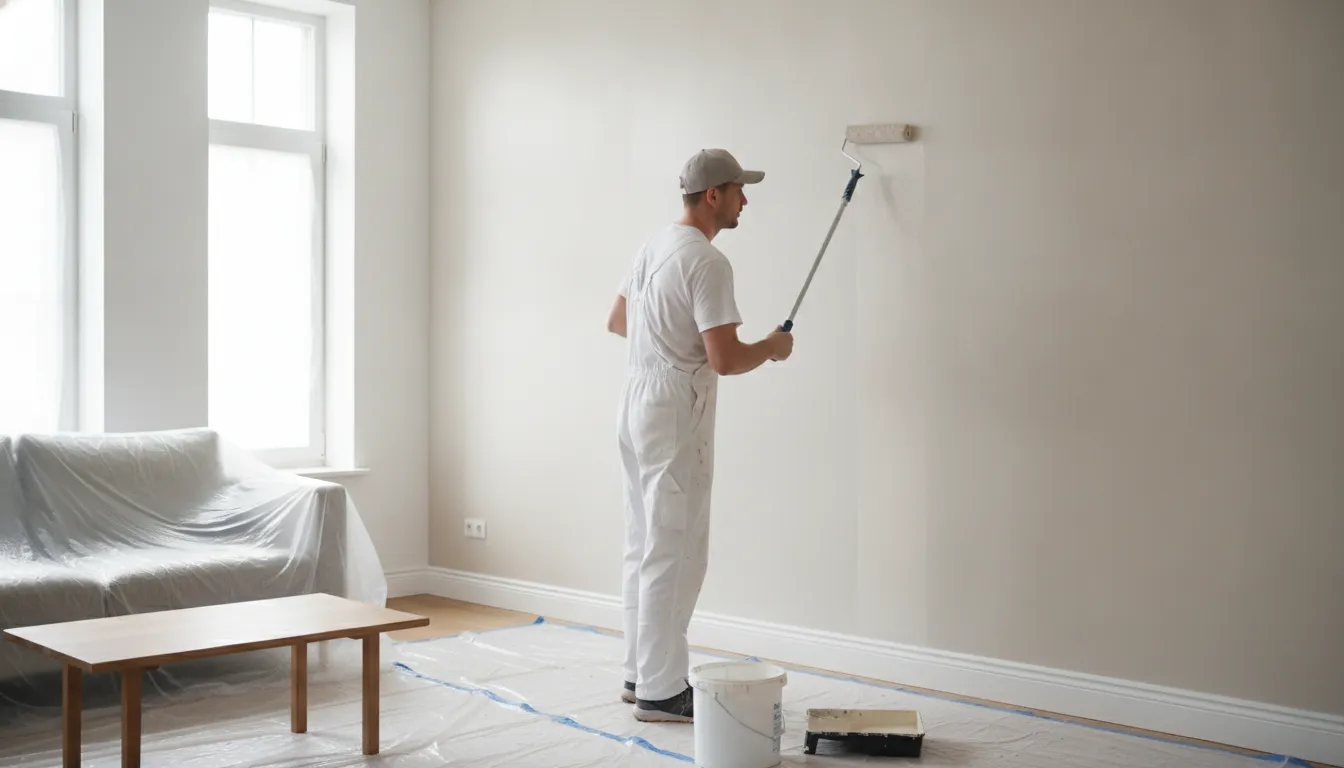
Residential estimates often focus on the rooms or exterior surfaces being painted, the home’s condition, furniture and floor protection, trim and ceiling details, color changes, and the family’s schedule. A house may require special care around personal belongings, pets, landscaping, finished flooring, cabinetry, or historic details.
For an interior project, clarify whether walls, ceilings, doors, baseboards, window trim, closets, and repairs are included. For an exterior project, ask whether washing, scraping, spot priming, caulking, siding, trim, doors, shutters, and other details are part of the scope. Paint Boise’s house painting services cover residential interior and exterior needs, with the final estimate based on the property assessment.
Commercial projects
Commercial painting estimates need to account for the building’s use and the people who rely on it. Offices, retail spaces, restaurants, healthcare settings, warehouses, hospitality properties, and multi-tenant buildings can have different access, protection, product, and scheduling needs.
A commercial estimate may address multiple elevations, common areas, tenant coordination, lift access, safety procedures, color standards, surface repairs, low-disruption sequencing, and daily cleanup. If your property must remain operational, explain the busiest areas and restricted hours. A qualified commercial painting team in Boise can use that information to build a scope that is practical for the facility.
When a commercial project needs a phased estimate
Large or occupied buildings are often easier to price and manage in phases. A phased estimate can separate exterior elevations, common areas, tenant suites, stairwells, or other defined zones. It can also show how the schedule changes if work is performed during business hours, evenings, weekends, or planned closures.
Ask whether the contractor can identify a first phase, likely follow-on phases, and the assumptions behind each. This gives owners, facility managers, and property managers a clearer basis for budgeting without pretending that every future condition is already known.
The intended finish also matters in a commercial setting. A lobby, medical area, food-service space, warehouse, and office may each need different priorities for appearance, cleaning, durability, odor control, or access. The estimate should connect the recommended product and application method to the way the space is used.
Residential owners face a similar decision on a smaller scale. A hallway, kitchen, bathroom, bedroom, cabinet set, and exterior siding do not receive the same use or exposure. Sharing how each area functions helps the painter recommend a practical finish rather than applying one product everywhere by default.
How Boise and Treasure Valley Conditions Affect a Quote
Local conditions matter because painting is performed on a real property, not an abstract square-foot calculation. Boise, Meridian, Eagle, Nampa, Caldwell, Star, Kuna, and nearby Treasure Valley communities include a mix of older homes, new construction, commercial corridors, multi-unit properties, rural sites, and rapidly changing neighborhoods. The building’s age and construction can affect preparation, access, and coating decisions.
Exterior work also needs a suitable weather window. A contractor may recommend scheduling around dry conditions and temperatures that support proper application. Sun exposure, irrigation overspray, dust, freeze-thaw cycles, and the condition of the existing coating can affect how a surface should be cleaned, repaired, primed, and painted.
Local knowledge does not produce a fixed rate for every Boise property. It helps a contractor ask better questions, identify likely site constraints, and explain the assumptions in the estimate. A local team should be able to tell you which details need to be confirmed before the scope is final.
What Should a Professional Painting Estimate Include?
A useful estimate should help you understand the work, not just present a total. Look for a written scope that identifies:
- The property areas and surfaces included.
- Cleaning, repairs, sanding, caulking, masking, protection, and priming.
- The paint or coating type, finish, and application approach when known.
- The expected number of coats or the coverage standard for the selected product.
- Access equipment, lift or scaffolding needs, and safety measures when applicable.
- Furniture, landscaping, equipment, floors, fixtures, and surrounding-area protection.
- Work hours, phases, estimated schedule, and responsibilities for site access.
- Cleanup, touch-up expectations, walkthrough steps, and any warranty or guarantee terms.
- Assumptions, exclusions, allowances, and conditions that could change the scope.
Clarify repairs and possible changes
Some conditions are visible before work begins, while others become clear only after cleaning or removing loose material. Ask how the contractor handles a condition that changes the approved scope. A clear process should explain how additional repairs are documented, priced, and approved before the work continues.
For commercial properties, also ask whether the estimate assumes normal access to every area. If a lift cannot reach an elevation, a tenant cannot provide access, or a surface requires a different coating system, the work plan may need to change. These are practical questions that protect the owner and the contractor from surprises.
If the estimate is based on photos or a brief conversation, ask what still needs to be verified in person. A site visit is particularly valuable when surfaces are damaged, access is difficult, several buildings are involved, or the property will remain occupied during the work.
How to Compare Painting Quotes Without Guessing
Collecting more than one estimate can help, but comparing only the bottom-line number can be misleading. First, make sure each contractor received the same information. Give each one the same property areas, schedule requirements, color plans, access constraints, and repair concerns.
Then compare the scope line by line. One quote may include extensive preparation, primer, protection, and cleanup while another may assume that those tasks are unnecessary. A lower number is not a useful bargain if important work has been excluded. Ask questions when a quote is unusually different from the others, and request revisions in writing.
Communication is another practical part of value. You should know who will answer questions, how schedule changes will be handled, what happens if hidden conditions are found, and how the final walkthrough works. Paint Boise explains its service guarantee and can discuss project expectations during the estimate process.
How to Request a More Accurate Painting Estimate
Before contacting a painter, gather the details that affect the scope. Note the property type, areas to be painted, approximate age and condition, desired timing, access limitations, operating hours, and any known repairs. Photos can help a contractor prepare, but they do not always replace an on-site assessment.
Tell the contractor whether the property is occupied, whether customers or employees will be present, and whether the work must be phased. Commercial owners should identify a decision-maker and any facility, safety, insurance, or vendor requirements. Homeowners should mention furniture, pets, landscaping, flooring, cabinets, or other items that need protection.
Paint Boise provides estimates for residential and commercial painting projects in Boise and the Treasure Valley. If you are planning a larger project, ask about available financing options and review the company’s customer reviews as part of your decision.
Contact Paint Boise for a clear, property-specific painting estimate
Frequently Asked Questions
Can I estimate building painting cost by square footage?
Square footage can help describe project scale, but it cannot account for surface condition, preparation, access, trim, ceilings, repairs, coating requirements, protection, or schedule constraints. Use it as an initial planning detail, not as a final price.
Why does commercial painting require a site assessment?
A site assessment helps identify surfaces, access points, operating conditions, safety requirements, protection needs, and scheduling constraints. Those details are essential when a building has multiple areas, tenants, customers, employees, or equipment.
Does preparation increase the cost of a painting project?
Preparation can add labor and materials, but it is also what helps the new coating adhere and perform properly. Cleaning, repairs, sanding, caulking, and priming should be discussed openly rather than removed without considering the effect on the finished result.
Do you provide painting estimates in Boise and the Treasure Valley?
Paint Boise serves property owners across Boise and surrounding communities, including Meridian, Eagle, Nampa, Caldwell, Star, and Kuna. Contact the team with your property details so the appropriate scope and next step can be discussed.