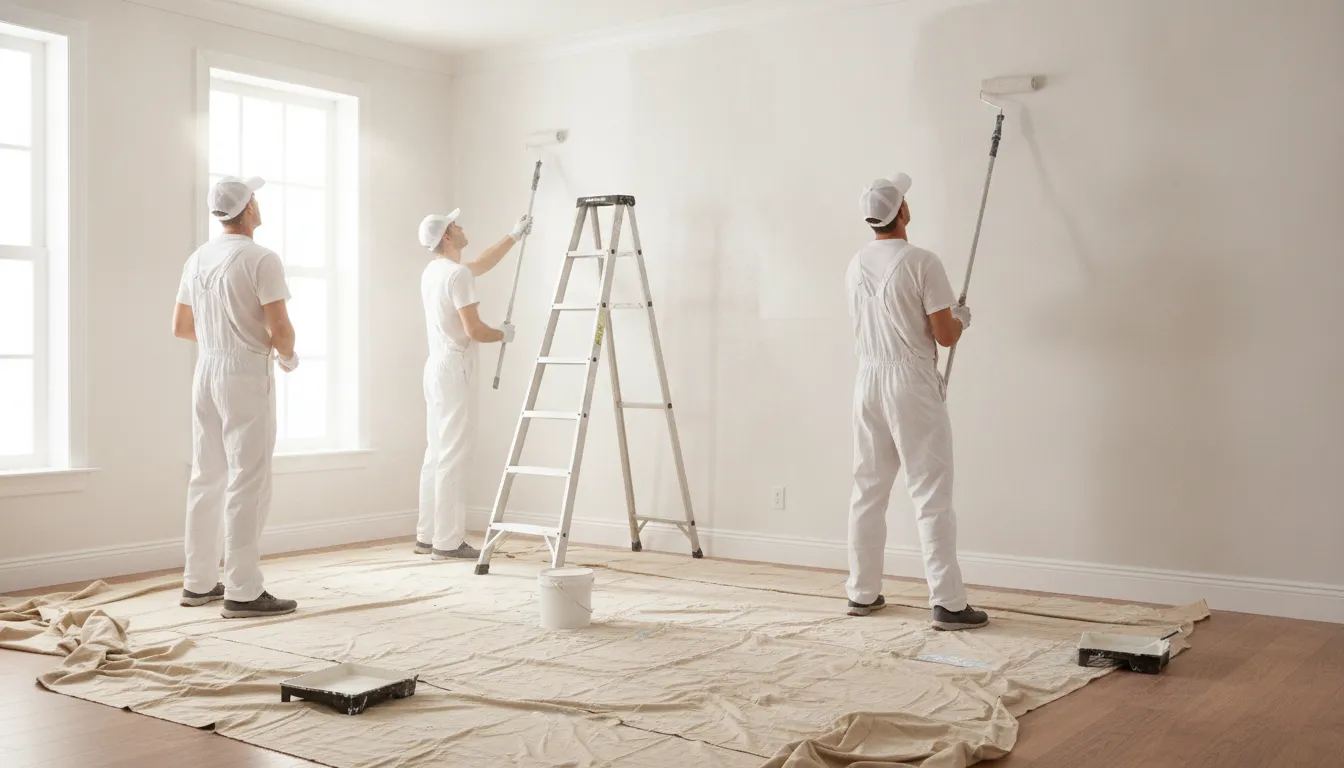
A whole-house paint job is rarely just a matter of rolling color onto walls. The home’s size, surface condition, number of coats, trim, and daily crew size all affect the schedule, while Boise exterior work also depends on a usable weather window.
For most professionally painted homes, how long does it take to paint a house comes down to about 3-7 days for a whole-house interior and 3-5 days for a whole-house exterior when weather permits. A single room may take 1-2 days, while extensive repairs, cabinets, or detailed trim can add time.
These ranges are planning estimates, not fixed promises. Understanding how home size and project scope change the timeline makes it easier to build a realistic schedule, starting with what an average house actually includes.
Get a free quote from Paint Boise and learn exactly how long your project will take.
How Long Does It Take to Paint an Average House?
For a typical Boise home, a professional crew usually needs about three to seven days to complete the whole interior. A whole-house exterior commonly takes three to five days when weather permits. Those ranges answer the practical question, “how long does it take to paint a house,” but they are planning estimates, not fixed promises. The actual schedule depends on what you are painting, how many people are on the crew, and how much preparation the surfaces need.
A single room may take one to two days, especially when the walls are in good condition and the color change is straightforward. Painting several rooms or an entire interior takes longer because the crew must protect floors and furnishings. Move through each room in sequence, and address trim, doors, ceilings, or repairs. Exterior work also varies with the home’s size, number of stories, access, and the condition of siding, stucco, or other surfaces.
Scope: one room, whole interior, or exterior
Scope is the first timeline driver. A small project with clear walls and minimal trim can move quickly. A whole interior may involve multiple coats, detailed cut-in work, cabinet areas, and drying time between applications. An exterior project may include siding, fascia, soffits, doors, shutters, and other details that increase the time beyond the wall area alone.
For a home that needs both interior and exterior work, the projects may be scheduled in phases rather than treated as one uninterrupted job. Your residential painting services estimate should identify what is included, how the work will be sequenced, and which conditions could change the schedule.
Crew size and surface preparation matter
A larger crew can cover more area, but crew size is not the only measure of speed. Experienced painters still need room to work safely and time to complete each stage correctly. Cleaning, scraping, sanding, caulking, patching, and priming may add a day or more before finish coats begin. Drywall damage, peeling paint, heavy texture, stained surfaces, or cabinet refinishing can extend the project further.
Exterior work also depends on a workable weather window. Paint Boise schedules exterior applications around conditions that support proper adhesion and curing, including daytime temperatures above 40 degrees and nighttime temperatures above freezing. Rain, high humidity, cold snaps, or unexpected repairs can shift the completion date. That caution protects the finish rather than rushing a job to meet an arbitrary deadline.
Paint Boise also removes some financial uncertainty from the process: there is no deposit, and you pay when you are satisfied. Exterior projects include a five-year warranty, giving you reliability context beyond the estimated number of workdays.
Exterior Painting Timelines: Size, Crew, and Boise Weather
Exterior timelines depend on more than the square footage on a listing sheet. The number of stories, amount of surface preparation, crew size, and Boise’s weather window all affect how quickly a project can be completed. The ranges below are useful planning estimates, but a contractor should confirm the schedule after inspecting the siding, trim, substrate, and access around the home.
| Home size and layout | Typical crew | Estimated working time | What can change the schedule |
|---|---|---|---|
| Single-story home, about 1,500 square feet | 2-3 painters | 2-4 days | Extensive scraping, repairs, detailed trim, and difficult access may add time. |
| Two-story home, about 2,500-3,000 square feet | 3-5 painters | 4-7 days | Height, ladder or lift access, multiple elevations, and extra prep can extend the work. |
| Large or custom home | Varies by scope | 7-10 or more days | Complex architecture, specialty materials, repairs, and detailed color changes require more labor. |
| Typical 2,500-square-foot exterior | Varies by crew and condition | About 3-7 days | Preparation can account for half or more of the total project time. |
Why Boise weather matters
Exterior coatings need the right conditions to cure properly. Paint Boise schedules exterior work when daytime temperatures are above 40 degrees Fahrenheit and nighttime temperatures remain above freezing. Cold nights, rain, snow, high moisture, or sudden temperature changes can narrow the usable work window, especially during Boise’s shoulder seasons. A crew may need to build in buffer days rather than rush application between unsuitable conditions.
That weather allowance is part of a quality schedule, not wasted time. Properly cleaned, scraped, sanded, caulked, and primed surfaces need adequate drying time before finish coats are applied. If a 2,500-square-foot home has significant peeling paint or repairs, the preparation phase can move the final completion date even when the painting crew is working efficiently.
For a clearer scope and weather-aware schedule, review Paint Boise’s exterior painting services or get a professional painting quote. Exterior work also includes a 5-year warranty, giving homeowners added confidence that the project is being planned for lasting performance rather than a rushed finish.
Ready to plan your exterior project? Contact Paint Boise for a free quote.
Interior Painting Timelines: Room by Room and Whole House
Interior projects are often easier to schedule than exterior work because they are not dependent on a weather window. Still, the timeline depends on the size of the space, the number of surfaces being painted, and how much preparation each room needs. A single room typically takes one to two days, while a whole-house interior commonly takes three to seven days when the surfaces are in reasonable condition.
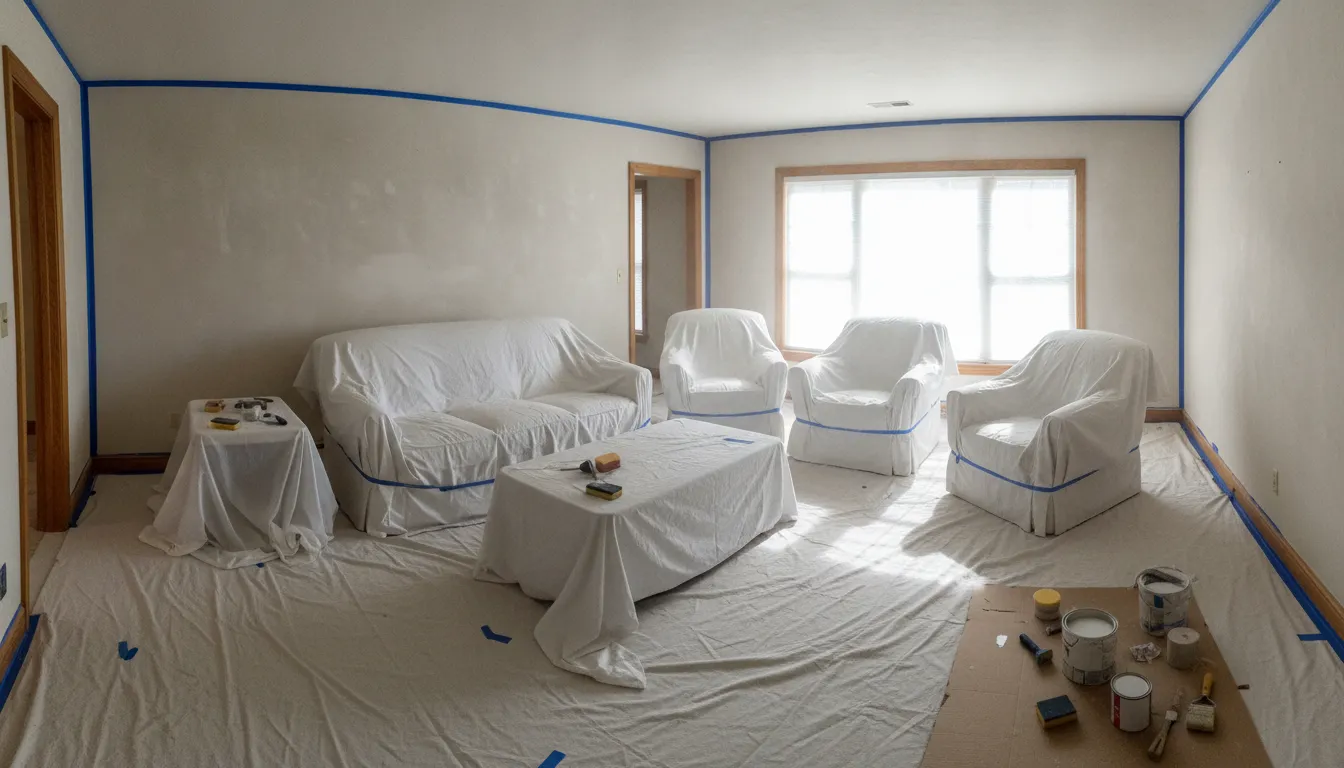
Typical interior painting timelines by home size
- Under 1,500 square feet: Allow about two to four days for a full interior project.
- 1,500 to 2,500 square feet: A typical range is four to six days.
- More than 2,500 square feet: Plan on six to eight days or more, depending on the number of rooms and the scope.
These ranges assume a professional crew can work through the home in a logical sequence. Moving furniture, protecting floors, completing minor repairs, and allowing coats to dry are all part of the schedule. A smaller home may take longer than expected if every room has a different color or requires extensive surface correction.
Why trim, ceilings, and cabinets add time
Walls are usually the fastest surfaces to paint. Rooms take longer when the project also includes ceilings, doors, window casings, baseboards, or other detailed trim. Those surfaces require careful taping, brushing, caulking, sanding, and cleanup. For a closer look at the detail involved, see this guide to painting trim and baseboards.
Cabinet refinishing adds another layer of work. Cabinet doors and drawers may need to be removed, labeled, cleaned, sanded, primed, and coated separately. The finish also needs adequate curing time before the pieces are reinstalled and put back into daily use. Drywall damage, heavy texture, stains, and dark-to-light color changes can extend the schedule as well.
If you are comparing estimates and wondering, “how long does it take to paint a house,” ask whether the timeline includes preparation. Trim, ceilings, and cabinets, or only the wall painting. A detailed scope makes the schedule more useful. Paint Boise can help plan the work through its interior painting service, with timing adjusted to the actual condition and layout of your home.
Why Prep Work Often Takes Longer Than the Painting Itself
Surface preparation can account for 50% or more of a painting project’s total time. Even on a small house, cleaning, repairs, and protection may take one to two full days before the first finish coat goes on. That pace is not wasted time. Paint bonds, covers, and wears better when the surface underneath is clean, sound, and ready.
Rushing this stage can leave you with peeling edges, visible patches, rough texture, premature caulk failure, or paint on surfaces that should have stayed protected. A professional crew typically works through the following sequence:
- Clean and degloss the surfaces. Walls, trim, doors, and other painted areas need to be free of dust, grease, cooking residue, mildew, and loose debris. Glossy surfaces may also need deglossing so the new coating can grip instead of sliding over a slick finish. The cleaning method depends on the surface and its condition. Skipping it can trap contaminants beneath fresh paint and create adhesion problems.
- Scrape and sand failing paint. Any peeling, blistering, cracking, or flaking coating has to be removed back to a stable edge. Sanding smooths ridges left by scraping and reduces the chance that old defects will show through the new finish. This step can take much longer on older homes, heavily weathered exteriors, or rooms with multiple layers of aging paint.
- Caulk joints and fill gaps. Painters inspect seams around trim, baseboards, window casings, doors, and other transitions. Gaps are filled with an appropriate caulk, while small holes and surface imperfections receive patching compound. Caulk needs proper tooling and drying time, and it should not be used to conceal movement or structural damage that needs a different repair.
- Complete drywall repairs. Nail pops, dents, anchor holes, damaged corners, and torn drywall paper must be repaired, allowed to dry, and sanded smooth. Larger repairs may require more than one application. If the walls need substantial correction, review the expected drywall repair timeline before setting a move-in or renovation deadline.
- Protect floors, trim, fixtures, and furnishings. Drop cloths, masking, plastic, and careful room setup protect flooring, cabinets, hardware, lights, and surfaces that are not being painted. Removing or covering fixtures takes time, but it also supports clean cut lines and prevents avoidable cleanup or damage after the job.
Cabinet refinishing adds another layer of preparation because doors and hardware may need removal, degreasing, sanding, priming, and controlled recoating. That work can meaningfully extend the schedule as coatings cure between stages. For homeowners planning their own project, this guide to proper room preparation explains how preparation affects the final result. A crew that takes time to prepare is protecting both the finish and the timeline. Because correcting a rushed paint job usually takes longer than doing the preparation correctly the first time.
How to Plan Your Schedule Around a Professional Paint Job
Start by asking for a free assessment and a written timeline before you clear rooms or rearrange work plans. A reliable schedule should separate preparation, painting, touch-ups, and the final inspection, while noting conditions that can change the order. If you’re wondering, “how long does it take to paint a house,” the answer depends on the home’s size. Surface condition, number of coats, and whether the work is interior or exterior.
For an exterior project, Boise weather belongs in the schedule from the beginning. Paint generally needs daytime temperatures above 40°F and nighttime temperatures above freezing, so a rainstorm, cold snap, or damp surface can move a planned paint day. Build in reasonable flexibility rather than choosing a contractor solely because they promise an exact completion date.
A professional crew of two or three painters can work efficiently because tasks happen in parallel. One person may prepare or mask while another rolls larger surfaces and a third handles trim, detail work, or equipment moves. That coordination usually finishes a project faster than one person working alone, without asking the crew to rush over repairs or skip quality checks.
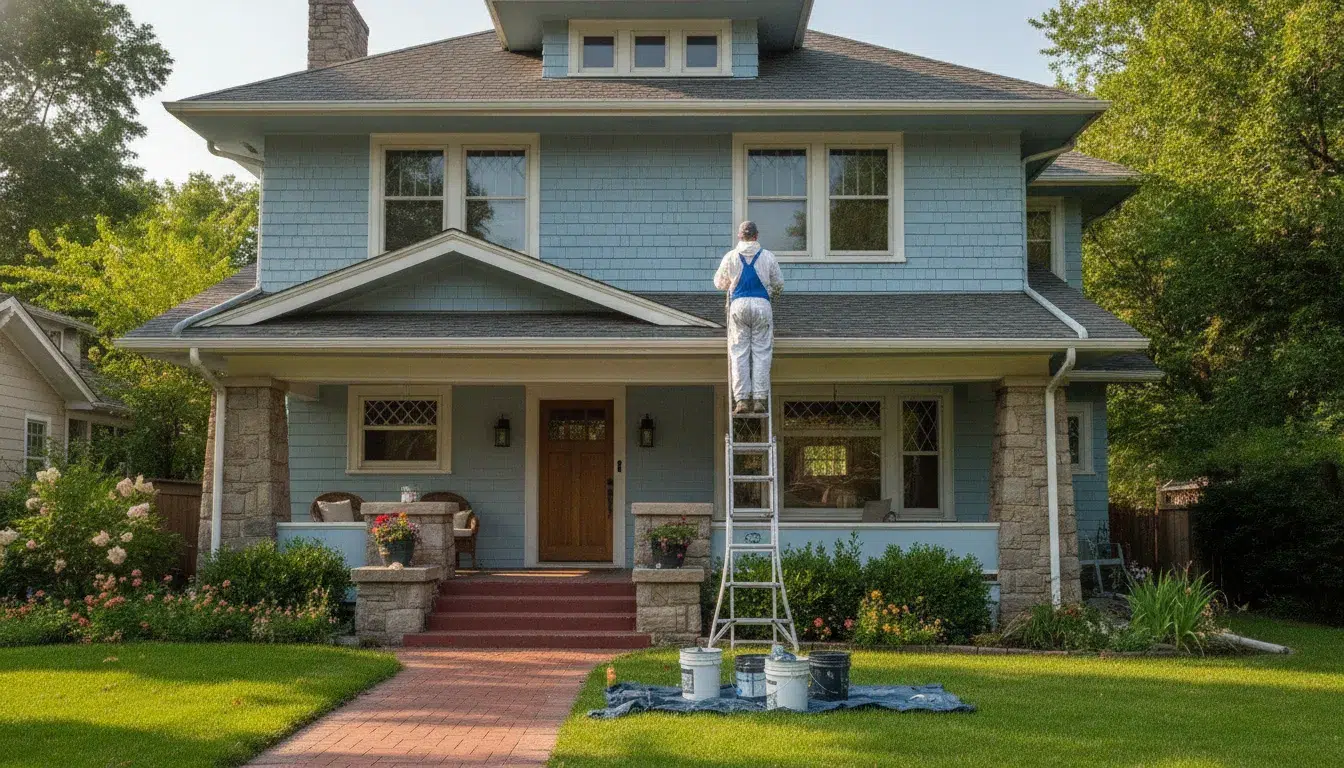
Expect the work to happen in phases
The first day or two may focus on protecting furniture and flooring, moving accessible items, cleaning surfaces, scraping loose paint, sanding, caulking, and completing minor repairs. On paint days, the crew applies the planned coats and works through the home in a sequence that preserves daily access where possible. The final phase includes touch-ups, cleanup, and an inspection with the homeowner.
Before work begins, decide which rooms must remain usable and tell the contractor about pets, children, home-office needs, parking limits, or access restrictions. Furniture may need to be moved to the center of a room and covered, while closets, cabinets, and walkways may remain temporarily unavailable. Planning one clean path through the home helps the crew protect surfaces and keeps daily disruption manageable.
DIY work can appear faster when measured only by brush time, but a homeowner working alone must also handle purchasing, setup, prep, ladder work, cleanup, and corrections. Professional scheduling accounts for those details. Share your preferred deadline early, then let the written plan reflect the work required for a durable finish. Rushing the last day can lead to missed edges, inadequate drying time, or overlooked touch-ups.
To set a practical start date and scope, get a professional painting quote with the home’s condition and access needs in mind.
Schedule your free painting assessment with Paint Boise.
Frequently Asked Questions
How long does it take to paint an average house?
A professional crew typically completes an average whole-house project in about 2 to 7 days. The range depends on square footage, the number of stories, surface condition, number of coats, and how many painters can work efficiently on site.
How long does interior house painting take?
A single room generally takes 1 to 2 days, while a whole-house interior commonly takes 3 to 7 days. Furniture, detailed trim, high ceilings, color changes, drywall repairs, and cabinet refinishing can extend the schedule.
How long does exterior house painting take in Boise?
Exterior work often takes 3 to 5 days when weather cooperates. A larger or more complex two-story home may need 4 to 7 days, and rain. High humidity, or cold temperatures can pause work while surfaces dry and coating conditions improve.
Does prep work take longer than painting?
It can. Cleaning, scraping, sanding, caulking, masking, and repairs may require 1 to 2 days before painting starts. And extensive exterior preparation can account for half or more of the project time. A thorough inspection gives the most reliable timeline.
How long should you wait between paint coats?
Many coatings need at least four hours between coats, although humidity, temperature, ventilation, and the product itself can change the recoat window. Your painting crew should follow the manufacturer instructions rather than rushing the next coat.
Ready to Plan Your Painting Project?
A clear project scope helps you set a realistic schedule around prep, room access, and Boise weather. Paint Boise can review your home, talk through the work, and help you understand the expected timeline before the project begins.