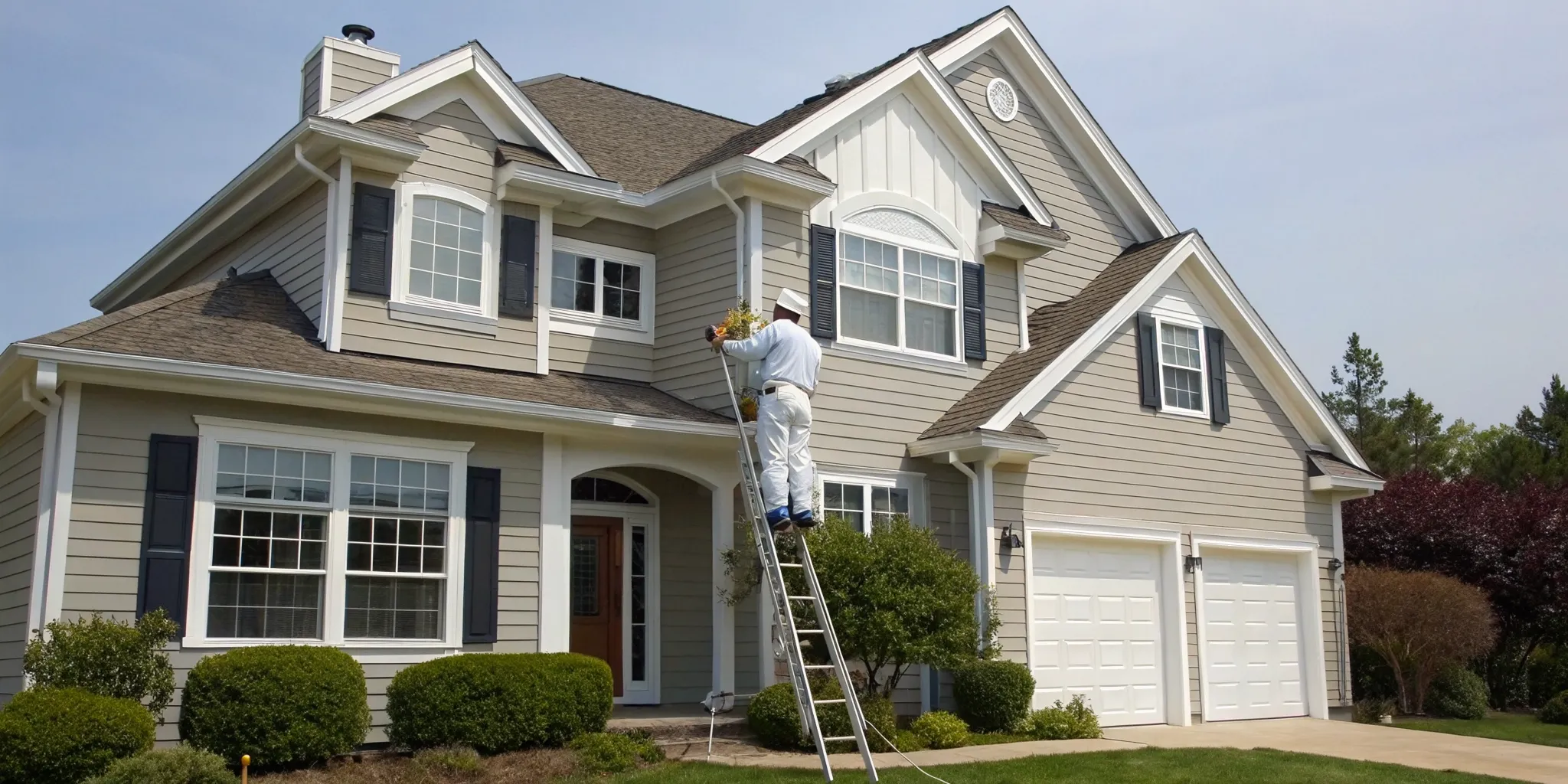
Your home’s house exterior paint is more than just a color choice—it’s a crucial shield against Boise’s changing seasons. It stands up to harsh sun, driving rain, and freezing snow. When it starts to peel and fade, it’s not just a cosmetic issue; it’s a sign your home’s protective barrier is weakening. A successful paint job restores that protection and improves your home’s value. But where do you begin? This guide breaks down the entire process, from critical prep work to choosing the right paint, helping you decide whether to tackle it yourself or hire a professional.
Key Takeaways
- Thoughtful planning prevents costly mistakes: Before choosing colors, schedule your project for the right season, thoroughly inspect your home for necessary repairs, and confirm any HOA or neighborhood rules to ensure a smooth process.
- Proper prep work is non-negotiable: The key to a durable, professional-looking finish is meticulous surface preparation, which includes cleaning away grime, scraping all loose paint, and applying a high-quality primer.
- Hiring a pro is an investment in quality: While DIY can seem cheaper, hiring an experienced painter saves you significant time and effort, provides access to professional-grade tools, and often includes a service guarantee for a lasting result.
How to Plan Your Exterior Paint Project
A fresh coat of paint can completely transform your home’s curb appeal, but a successful project starts long before the first can is opened. Proper planning is the secret to a beautiful, long-lasting finish that you’ll be proud of for years to come. Taking the time to think through the details, from timing and repairs to color choices, helps you avoid common pitfalls and ensures a smooth process from start to finish. Think of it as creating a roadmap for your project. It helps you set a realistic timeline, prepare your home correctly, and choose a look that not only reflects your style but also complements your home’s architecture and surroundings. Let’s walk through the key steps to planning your exterior painting project so you can feel confident and prepared.
When Is the Best Time to Paint Your House?
Timing is everything when it comes to exterior painting. Paint needs specific conditions to apply smoothly and cure correctly, so picking the right season is crucial. In Boise, the best windows are typically late spring through early fall, when we have moderate temperatures and low humidity. Painting in cold weather requires special techniques — learn what you need to know. You want to avoid painting in direct, intense sunlight or when it’s too hot, as this can cause the paint to dry too quickly, leading to brush marks and blisters. Rain is an obvious no-go, but cold nights can be just as problematic. If the temperature drops too low overnight, it can prevent the paint from curing properly. Aim for a string of days with temperatures consistently between 50 and 85 degrees Fahrenheit for the best results.
Understanding Temperature and Drying Times
It’s important to understand that paint “drying” and “curing” are two different things. While paint might feel dry to the touch in a few hours, it takes much longer to fully cure and harden into a durable, protective layer. This curing process is highly dependent on temperature. For most standard exterior paints, the temperature needs to stay above a certain point—typically around 50°F—for the entire curing period. The right temperature range is critical for proper paint application and curing. If a paint needs four hours to dry, the temperature shouldn’t drop below that threshold during that time, or even overnight. When temperatures fall too low, the chemical reaction that hardens the paint slows or stops, resulting in a weak finish that’s prone to cracking, peeling, and reduced longevity. This is why professional painters are so particular about the forecast.
Painting in Cooler Weather with All-Seasons Paint
Boise’s weather can be unpredictable, and finding a long stretch of perfect painting days can be a challenge, especially in the spring and fall. Fortunately, paint technology has come a long way. There are now specialized “all-season” or low-temperature paints designed to cure properly in cooler conditions, sometimes in temperatures as low as 35°F. These products allow for a wider painting window, turning what might have been a risky day into a productive one. Using the right product is key to success in these marginal conditions. An experienced team knows which paints perform best in our local climate and can recommend the ideal solution for an expert exterior painting project that will last, no matter the season.
Check for Damage Before You Paint
Before you even think about colors, take a thorough walk around your house to check for any issues. A new coat of paint will only look as good as the surface underneath it. Look for peeling or cracking paint, rotting wood, mildew, and gaps in the siding or trim. Even with great prep, peeling can happen — here’s how to fix it step by step. These problems must be addressed first, otherwise, your new paint job won’t last. Failing to properly prepare and repair surfaces is one of the most common and costly mistakes homeowners make. Sealing gaps with an exterior-grade caulk is essential for a smooth finish and to protect your home from moisture. A professional expert exterior painting service will always include meticulous prep work to ensure a durable and flawless result.
How to Choose the Perfect Exterior Paint Colors
This is the fun part, but it can also feel a little overwhelming. To narrow down your options, start by looking at the fixed elements of your home, like your roof color, brick or stone accents, and window frames. These features aren’t changing, so your new color scheme should harmonize with them. It’s also a good idea to consider your neighborhood’s overall look. While you want your home to stand out, you probably don’t want it to stick out for the wrong reasons. If your neighbors all have neutral-colored homes, a bright, bold choice might feel out of place. Always test your top color choices by painting large swatches on different sides of your house to see how they look in various lighting conditions throughout the day.
Choosing Colors That Help Your Home Sell
If you’re planning to sell your home, the right paint color is one of the most effective tools in your arsenal. A fresh coat of paint signals to potential buyers that the home is clean and well-maintained. More importantly, choosing appealing, neutral colors helps buyers imagine themselves living in the space. Think warm, inviting beiges, soft grays, or classic off-whites. These shades create a blank canvas that doesn’t distract from your home’s best features. While a bold, personal color choice might be perfect for you, it can be a turn-off for buyers who can’t see past it. Sticking to a widely appreciated palette is a smart, inexpensive way to make your property more attractive and potentially speed up the sale.
Popular Paint Colors for a Modern Look
Achieving a modern aesthetic doesn’t mean you’re limited to stark white. Today’s popular exterior palettes embrace a range of sophisticated hues. Deep, moody colors like charcoal gray, navy blue, and even dark forest green are making a big impact, creating a sense of drama and elegance. For a softer but still contemporary feel, warm off-whites and creamy taupes provide a clean backdrop that pairs beautifully with natural wood or black metal accents. The key is to create contrast. A popular combination is a dark main body color with crisp white trim and a pop of color on the front door. Don’t be afraid to browse inspiration from paint brands to see how different color combinations work on various home styles.
Matching Your Palette to Your Home’s Architectural Style
The most beautiful color schemes are those that feel authentic to the home’s design. Your home’s architectural style provides a built-in guide for color selection. For example, a Mid-Century Modern home shines with earthy tones like avocado green, rich amber, and muted blues that reflect the era’s connection to nature. A classic Victorian, on the other hand, can handle a more complex and colorful palette with multiple accent shades to highlight its intricate trim and details. For Craftsman-style homes, look to deep reds, olive greens, and browns that complement their characteristic stonework and wood elements. Choosing colors that honor your home’s architecture creates a cohesive and timeless look that enhances its character rather than fighting against it.
Making a Statement with an Accent Color
An accent color is your chance to inject personality into your home’s exterior without overwhelming it. The front door is the perfect place to make a statement. A bright, welcoming color like a cheerful yellow, a bold red, or a calming aqua can instantly boost your curb appeal and make your home stand out. This is a low-commitment, high-impact choice; if you ever grow tired of it, repainting a door is a quick and easy project. You can also use accent colors on shutters, window boxes, or even porch furniture to create a cohesive and thoughtfully designed look. The key is to pull a color that complements your main house and trim colors, tying the whole scheme together beautifully.
Do You Need HOA Approval?
Before you fall in love with a specific color, make sure you’re allowed to use it. Many neighborhoods, especially those with a Homeowners’ Association (HOA), have strict rules about approved exterior paint colors. Violating these guidelines can result in fines and the frustrating task of having to repaint your entire house. The best course of action is to get a copy of your HOA’s architectural guidelines before you even visit the paint store. This simple step can save you a massive headache. Even if you don’t have an HOA, some historic districts have their own regulations to preserve the area’s character. A quick check beforehand ensures your project goes off without a hitch.
What Does It Cost to Paint a House Exterior?
Let’s talk numbers. One of the first questions on everyone’s mind is, “How much is this going to cost?” While every project is unique, the average cost to paint a house exterior is around $3,100. Of course, this is just a starting point. The final price tag can swing quite a bit depending on the specifics of your home. Think of it like buying a car; the base model has one price, but adding features and choosing a different engine will change the final cost.
The size of your home, the type of siding you have, and even the quality of paint you choose all play a role in the total investment. A sprawling two-story home with intricate trim will naturally cost more to paint than a single-story ranch with simple siding. The amount of prep work needed, like scraping old paint or repairing damaged surfaces, also factors into the equation. That’s why getting a detailed, personalized quote is so important. It cuts through the guesswork and gives you a clear picture of what to expect for your specific property. At Boise Commercial & Residential Painting, we provide transparent estimates so you can plan your project with confidence. Our goal is to deliver a beautiful, long-lasting finish that protects your home and fits your budget.
What Factors Affect the Final Price?
Several key elements determine the final cost of your exterior painting project. The most obvious factor is the size of your home; more square footage means more paint and more time. The number of stories also matters, as multi-level homes require extra equipment like scaffolding and ladders for safety.
The type of siding on your house is another big consideration. Materials like wood, vinyl, and stucco each require different prep work and specialized paints, which can affect the price. Finally, the quality of the paint itself will impact your budget. While premium paints may have a higher upfront cost, they often provide better coverage and durability, saving you money on future repaints.
How to Budget for Your Exterior Paint Project
When you’re ready to budget, a great first step is to get a few different price quotes from local painters. This will give you a solid understanding of the market rate in the Boise area. Be sure to ask for a detailed breakdown so you can see exactly what you’re paying for.
It’s also smart to set aside a small cushion for unexpected repairs. Sometimes, once prep work begins, we might find a bit of wood rot or a cracked trim board that needs fixing before we can paint. Planning for these small surprises helps keep the project on track and stress-free. If you need help managing the cost, we also offer flexible financing options to make your project more affordable.
Estimating How Much Paint You’ll Need
Figuring out how much paint to buy can feel like a tricky math problem, but it’s simpler than you think. The first step is to calculate the total paintable surface area of your home. You can get a rough estimate by measuring the perimeter of your house and multiplying it by the average height. Don’t forget to subtract the area for large windows and doors. Most paint cans state that one gallon covers between 250 and 400 square feet, but this depends on the paint’s quality and the texture of your siding—rough surfaces will soak up more paint. For an easier approach, many brands offer an online paint calculator to do the heavy lifting for you.
Remember to factor in a second coat, which is almost always necessary for a rich, even color and proper protection, especially if you’re making a dramatic color change. It’s always a smart move to buy a little more than you think you’ll need. Having an extra quart or two on hand is perfect for future touch-ups and ensures you have the exact color match when you need it. This is another area where hiring professional house painters pays off. We handle all these calculations for you, drawing on experience to account for variables like surface porosity and paint lost during spraying, ensuring the right amount of high-quality paint is purchased for a perfect, waste-free result.
DIY vs. Pro: A Cost Comparison
Tackling an exterior paint job yourself can seem like a great way to save money on labor. However, it’s a massive undertaking that requires a lot of time, the right tools, and a good amount of skill. For an average-sized home, hiring a professional crew typically costs between $3,000 and $7,500.
While the upfront cost is higher, hiring professionals ensures the job is done efficiently and correctly, avoiding common exterior painting mistakes that can actually lower your home’s value. A professional team has the experience and equipment to handle everything from prep to cleanup, giving you a flawless finish that lasts for years.
How to Prepare Your House for Exterior Painting
Think of exterior paint preparation as the foundation of your project. It’s the single most important factor in achieving a beautiful, long-lasting finish that protects your home from the elements. Skipping these steps is like building a house on shaky ground; even the highest-quality paint will eventually peel, crack, and fail if the surface underneath isn’t ready. Proper prep ensures the new paint adheres correctly, giving you a smooth, professional look that you’ll be proud of for years to come.
Taking the time to clean, repair, and prime your home’s exterior is non-negotiable for a successful outcome. Each step plays a vital role in creating the perfect canvas for a fresh coat of paint. While it might seem like a lot of work, this upfront effort pays off by extending the life of your paint job and preventing costly repairs down the road. A well-prepared surface is the secret behind every stunning expert exterior painting project.
Step 1: Clean and Power Wash Your Exterior
Before you do anything else, you need to give your house a thorough cleaning. Over the years, exterior surfaces collect a layer of dirt, pollen, mildew, and chalky residue that can prevent new paint from sticking. The most effective way to tackle this is with a power washer. A good wash removes all the grime, giving you a clean, fresh surface for the paint to bond to. Be careful to use the right amount of pressure; too much can damage wood siding, brick, or stucco. If you’re unsure, starting with a lower pressure setting or hiring a professional is always a safe bet. A clean surface is the essential first step toward a flawless finish.
Step 2: Scrape, Sand, and Make Repairs
Once your house is clean and dry, it’s time to inspect for any imperfections. Look for areas with cracking, bubbling, or peeling paint. Use a paint scraper and wire brush to remove all the loose and flaking paint until you reach a solid, stable surface. Next, use sandpaper to smooth the edges where the old paint meets the bare surface. This process, called feathering, helps prevent the old paint lines from showing through your new coat. This is also the time to address any minor damage, like filling small holes or cracks with an exterior-grade wood filler. This detailed work is covered by our service guarantee because we know it’s key to a durable result.
Step 3: Caulk Gaps and Prime Surfaces
With the surface clean and smooth, the next step is to seal any gaps. Apply a high-quality, paintable exterior caulk to cracks around windows, door frames, and trim. This not only creates a clean, finished look but also protects your home by preventing water from seeping into the walls, which can cause rot and other moisture-related issues. After the caulk has cured, it’s time to prime. Primer is essential for ensuring your new paint adheres properly and looks uniform. It seals porous surfaces, blocks stains from bleeding through, and can even help you use less of your more expensive topcoat paint. Always choose a high-quality exterior primer for the best results.
Common Prep Mistakes to Avoid
Many well-intentioned DIY projects go wrong during the prep phase. One of the most common mistakes is painting over a dirty or damp surface, which almost guarantees the paint will peel. Another frequent error is failing to scrape away all the loose paint, leading to a bumpy, unprofessional finish that won’t last. Some people also forget to protect their landscaping, leaving their plants and garden beds splattered with paint. Rushing the process or skipping steps might save time initially, but it often leads to more work and expense later. The best way to ensure a perfect result is to be patient and thorough, or to trust the job to professional house painters who get it right the first time.
What Are the Best Paints and Tools for the Job?
Using the right materials is just as important as the prep work. The quality of your paint and tools will directly impact how your home looks and how long the new coat lasts. Investing in the right supplies from the start saves you from headaches and extra costs down the road. Here’s a breakdown of what you’ll need to achieve a beautiful, durable finish.
Choosing the Best House Exterior Paint and Finish
First things first: never use interior paint on your home’s exterior. It might seem obvious, but it’s a common mistake. Exterior paints are specifically formulated to handle Boise’s weather, from hot, sunny summers to cold, snowy winters. High-quality acrylic latex paint is usually the best choice for its durability and flexibility.
The finish you choose also matters. A flat or matte finish is great for siding because it hides imperfections, which is especially helpful for older homes. For trim, doors, and other accents, a semi-gloss finish adds a nice contrast and is easier to clean. A professional expert exterior painting job depends on making these smart choices from the beginning.
Understanding Paint Finishes and Sheens
The sheen, or finish, of your paint plays a huge role in both the final look and the durability of your project. Think of it this way: a flat or matte finish is your best friend for large surfaces like siding. It has a non-reflective, smooth appearance that does an excellent job of hiding minor imperfections, which is a lifesaver for homes that have seen a few Boise seasons. On the other hand, for trim, shutters, and doors, you’ll want something with more shine. A semi-gloss or satin finish provides a subtle contrast, is much easier to clean, and stands up better to scuffs and dings. Choosing the right combination is a key part of any expert exterior painting project.
Finding the Right Paint for Your Budget: Product Tiers
When you walk down the paint aisle, you’ll notice that paints come in different product tiers, often labeled as “good, better, best.” It can be tempting to grab the cheapest can to save money, but it’s important to think about the long-term value. Premium paints, like those from Behr or Sherwin-Williams, have a higher upfront cost because they are made with better quality resins and pigments. This means they provide better coverage, so you might need fewer coats, and they are far more durable against fading and peeling. Investing in a higher-quality paint can actually save you money over time by extending the life of your paint job. If you’re working with a tight budget, we offer financing options to help you get the best quality materials for your home.
Exploring Advanced Paint Technologies
Paint isn’t just colored liquid in a can anymore; it’s become incredibly high-tech. Manufacturers are constantly developing new formulas to make exterior paint last longer and perform better. One of the coolest innovations is self-cleaning technology, found in paints like Sherwin-Williams Emerald® Rain Refresh. This special formula contains properties that allow dirt and grime to simply wash away with the rain, keeping your house looking freshly painted for years. Other advancements include paints with built-in mildewcides to fight mold growth in damp areas and formulas with superior UV protection to prevent colors from fading under the intense sun. As professionals, we stay on top of these innovations to recommend the best possible products for your home’s specific needs.
Selecting Paint for Different Surfaces
Not all surfaces are created equal, and the type of siding on your home dictates the type of paint you should use. Wood siding, for example, expands and contracts with temperature changes, so it needs a flexible paint that can move with it to prevent cracking. Vinyl siding requires a special “vinyl-safe” paint that is formulated to adhere to the slick surface and won’t cause the panels to warp from heat absorption. Stucco and brick are porous and need a breathable paint that allows moisture to escape, preventing it from getting trapped inside your walls. Understanding these nuances is critical, especially on commercial buildings that often feature a mix of materials like metal, concrete, and brick.
When to Use Exterior Stain Instead of Paint
Sometimes, stain is a better choice than paint, especially for wood surfaces. The main difference is that paint forms a film on top of the wood, while stain soaks into the wood fibers. This makes stain an excellent choice for decks, fences, and natural wood siding when you want to highlight the wood’s beautiful grain and texture. Stains come in various opacities, from transparent to solid. A solid color stain, like Sherwin-Williams WoodScapes®, looks very similar to paint but still penetrates the wood, making it highly resistant to peeling. This can be a fantastic, low-maintenance option for certain homes, and it’s a choice our professional house painters can help you weigh.
Looking for Certifications and Guarantees
When you’re investing in quality paint, look for third-party certifications. Labels like GREENGUARD indicate that the paint has low chemical emissions (VOCs), which is better for the environment and your family’s health. However, the best paint in the world won’t perform well if it’s not applied correctly. That’s why the guarantee offered by your painter is just as important as the warranty on the paint can. A professional painter who is confident in their work will stand behind it. At Boise Commercial & Residential Painting, we are committed to meticulous prep and expert application, and we back every single project with our comprehensive service guarantee for your peace of mind.
Your Essential Tools and Safety Gear
Having the right equipment makes the job go smoother and safer. You’ll need a solid list of supplies: paint brushes for cutting in, rollers for large surfaces, painter’s tape, drop cloths, and paint trays. Don’t forget the basics like sandpaper and a scraper for prep work. For a faster, more even application on large areas, you might consider renting a paint sprayer.
Safety should always be your top priority. A sturdy, reliable ladder is non-negotiable. For multi-story homes, scaffolding might be a safer and more efficient option. Always wear safety glasses, gloves, and a mask to protect yourself from paint and dust. Our team of professional house painters arrives with all the necessary tools and safety gear to get the job done right.
Why Scaffolding Is About Quality, Not Just Safety
When you see scaffolding go up around a house, safety is probably the first thing that comes to mind. And while it’s absolutely essential for working on multi-story homes, professional painters know it’s also a key tool for achieving a higher-quality finish. Think about trying to paint while balancing on a ladder versus standing on a solid, stable platform. Scaffolding allows painters to move freely and use long, even strokes, which is critical for applying paint smoothly and consistently. This stability helps maintain a “wet edge,” preventing the lap marks that can appear when paint dries too quickly between sections. It’s this attention to detail and use of proper equipment that allows a professional team to deliver a truly flawless and durable result.
How to Test Paint Colors Before Committing
Picking a color from a tiny swatch can be deceiving. The best way to know if you’ll love a color is to test it directly on your house. Buy sample pots of your top choices and paint large swatches on a couple of different walls. Check on them throughout the day to see how they look in the morning sun, afternoon shade, and evening light.
When choosing colors, consider your home’s permanent features, like the roof and any brick or stone accents. You can create a beautiful, cohesive look by using different shades of the same color for the body and trim. If you want to add a bold pop of color to your front door, make sure it complements the overall scheme and fits in with your neighborhood’s style.
Using Digital Tools to Preview Colors
Picking a color from a small chip can feel like a huge gamble, but you don’t have to cross your fingers and hope for the best. Many major paint brands offer fantastic digital tools that let you preview colors on your own home. For example, you can use Sherwin-Williams’ ColorSnap® Visualizer or Behr’s ColorSmart tool to upload a photo of your house and virtually “paint” the exterior with different shades. This is a game-changer for visualizing how a color will look with your specific roof, landscaping, and natural light. While these tools are an excellent starting point for exploring ideas, remember that a professional consultation can provide an expert eye to help you select the perfect palette that not only looks great on a screen but also performs beautifully in the Boise climate.
Should I DIY or Hire a Professional Painter?
Deciding whether to paint your house yourself or hire a professional is one of the biggest choices you’ll make in this project. It’s a classic trade-off between saving money and saving time, effort, and potential headaches. While the idea of tackling the project yourself can be appealing, it’s important to be realistic about what the job involves. Before you grab a paintbrush, let’s walk through what to consider so you can make the best decision for your home and your sanity.
DIY Painting: The Pros and Cons
The most obvious reason to paint your home’s exterior yourself is to save money on labor costs. For many homeowners, this is the biggest motivator. There’s also a real sense of pride that comes from completing a major home improvement project with your own hands. However, the downsides can be significant. Exterior painting is a massive undertaking that requires more than just a free weekend. Without the right experience, you risk an uneven finish, accidental paint splatters, and a final product that doesn’t last, potentially costing you more in the long run to fix.
Do You Have the Time and Skill to DIY?
A successful DIY paint job hinges on honest self-assessment. First, consider the time involved. Proper preparation is critical and includes power washing the entire house, scraping off all loose paint, sanding rough spots, and applying primer. This prep work alone can take days. You also need to be comfortable working on ladders for extended periods, as you’ll need to safely reach every corner of your house. Do you have the right tools for the job, and do you know how to use them correctly? Answering these questions honestly will give you a clear picture of whether DIY is a realistic option for you.
Signs You Should Hire a Professional Painter
If you want a perfect finish without sacrificing your weekends, hiring a professional is the way to go. Professionals have the training, experience, and specialized equipment, like paint sprayers, to ensure a smooth, even coat that protects your home from the elements. An experienced team can complete the job far more efficiently, saving you an incredible amount of time and physical effort. When you hire a team for expert exterior painting, you’re investing in quality and durability. Plus, reputable companies stand behind their work, offering a service guarantee that gives you peace of mind knowing the job is done right.
Related Articles
- Exterior House Painting Estimate: What’s Included & Cost Factors
- How to Prep Your House’s Exterior for Painting | Boise Painting
- The Ultimate Guide to Commercial Painting Contractors
- How to Hire Commercial Painting Contractors in Boise
Frequently Asked Questions
How long does a typical exterior painting project take? The timeline really depends on the size of your home, the amount of prep work needed, and of course, the weather. For an average-sized house in Boise, a professional crew can often complete the entire project, from prep to final cleanup, in about three to five days. We always provide a clear and realistic schedule with our estimate so you know exactly what to expect.
How long can I expect a professional paint job to last? A high-quality exterior paint job should look great and protect your home for years. Generally, you can expect the finish to last between 5 and 10 years. Knowing when to repaint is just as important — check how often to repaint your house exterior. The lifespan depends on a few things, like the type of siding you have, the quality of the paint used, and how much direct sun and weather your home gets. Proper prep work is the most important factor for a long-lasting result.
What happens if you find rotted wood or other serious damage during prep? This is a great question and something we plan for. If our team discovers any significant issues like wood rot or structural damage during the preparation phase, we stop immediately. We will show you exactly what we found, explain the problem, and discuss the best options for repair before moving forward. Clear communication is key, and we won’t proceed with painting until the underlying issue is properly fixed.
Do I need to move my patio furniture and plants before you start? It’s helpful if you can clear away smaller items like potted plants, welcome mats, and garden hoses from the immediate area around your home’s foundation. However, you don’t need to worry about heavy patio furniture or delicate landscaping. Our crew will carefully cover and protect all of your belongings and plants with drop cloths to ensure they stay clean and safe throughout the project.
Is it okay to just paint the one side of my house that gets the most sun? While it might seem like a good way to save money, we generally advise against painting only one side of a house. Paint colors fade over time due to sun exposure, so a newly painted section will likely not match the older, faded sides. Painting the entire exterior at once ensures a uniform, cohesive look and provides consistent protection for all of your siding.