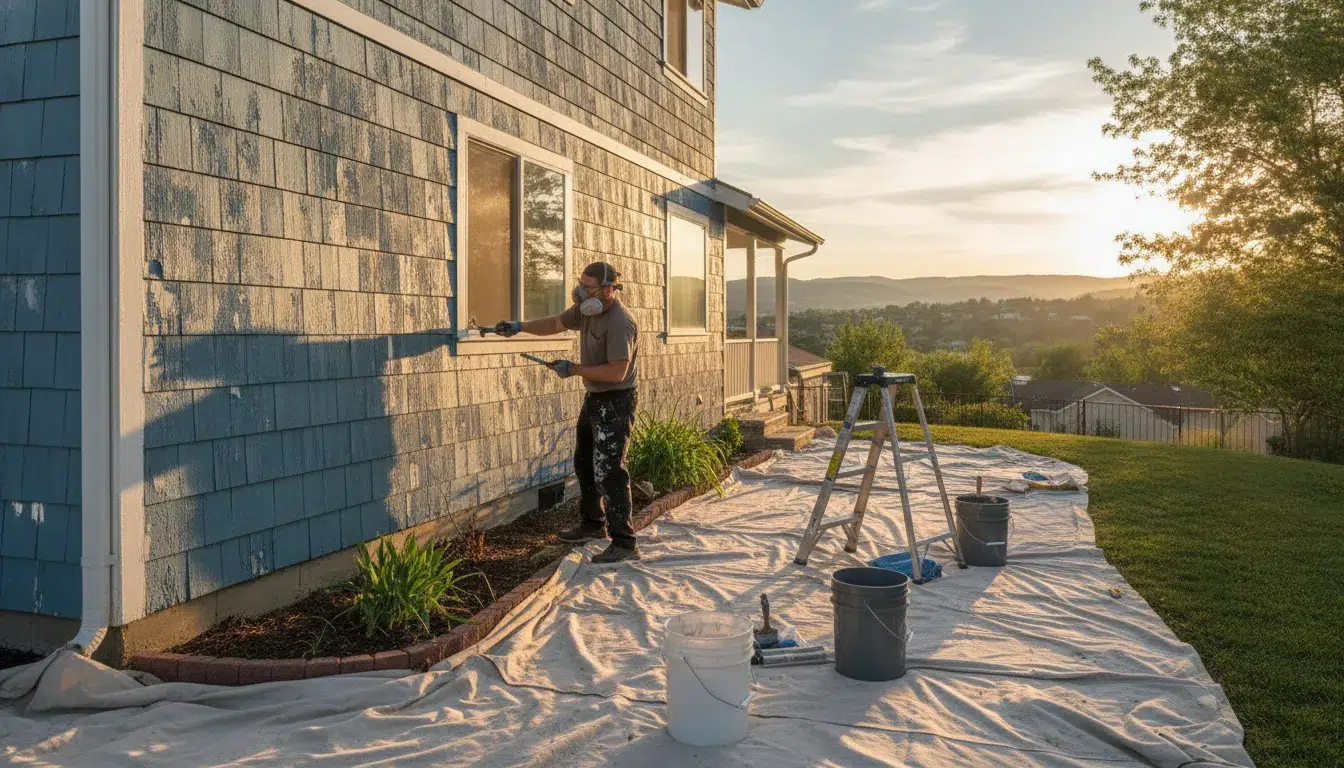
Large patches of peeling exterior paint mean your siding is losing its vital weather barrier. The damage can quickly lead to wood rot if ignored, while a proper repair can protect the home and avoid more costly work later.
Request a free exterior painting quote from Paint Boise to identify the cause and get a lasting repair plan.
Peeling exterior paint is a sign that your home’s protective finish has failed due to moisture, poor prep, or Boise’s harsh sun. To fix it, you must scrape away loose flakes, sand edges smooth, and apply a quality primer before repainting. Never paint over flaking areas because the new layer will fail right away. If your home was built before 1978, the CDC warns that old paint can contain lead, which becomes a health hazard when it peels. Expert help is often needed for large areas or when you find rot beneath the siding. Thorough prep and quality products give the new finish its best chance to withstand Treasure Valley weather.
Request a free exterior painting quote from Paint Boise to identify why your paint is peeling and get a lasting repair plan.
You might be tempted to put off this chore, but waiting can cause more harm than you think. Understanding why peeling exterior paint needs prompt attention is the first step toward keeping your Boise property safe. The risks to your home’s safety begin with
Why peeling exterior paint needs prompt attention
Peeling exterior paint is more than just an ugly look. It is a loud warning sign that your home lacks a shield from the weather. When paint chips or flakes away, the siding underneath loses its cover. This gap lets water and sun reach parts that cannot handle them. In the Treasure Valley, acting fast can save you from high repair costs later.
Hidden damage from moisture and rot
One of the biggest risks of paint failure is moisture. Water can easily seep into small cracks in your paint. Once it gets inside, it can get trapped behind the siding and soak into the wood. This often leads to wood rot, mold, and damage to the home’s frame. If you notice these signs, you may need professional exterior painting services to fix the root cause.
Boise homeowners face unique tests with the local weather. Idaho has a harsh climate with hot sun and big shifts in heat through the year. These shifts cause wood and siding to grow and shrink. If your paint is already brittle, these moves pull it away from the wall. Without a strong layer of high-quality paint, nature will quickly hurt your home’s outside.
Safety risks of lead-based paint
For owners of older homes, peeling paint is a safety concern. Homes built in the U.S. before 1978 are likely to have lead-based paint which can create toxic dust. When this paint peels or cracks, it makes chips that can harm kids and pets. This is why you should never scrape old paint without checking for lead risks first. A professional test is often the safest way to find these hidden dangers.
- Wear safety gear like gloves and a mask when you work near old paint.
- Hire a pro if you see signs of rot or mold beneath the siding.
- Check for lead before you start any scraping or sanding.
The cost of delayed care
Ignoring peeling paint usually leads to a much bigger bill. What starts as a small patch of flaking paint can turn into a full failure in just one season. Once the paint bond breaks, the damage spreads fast. You will need to pay for Paint Boise’s exterior prep guide, like heavy scraping, to get a smooth wall again. Fixing the issue early stops the damage from growing into a major loss.
Acting now also keeps your home value high. A well-kept outside shows that you care for the house. It keeps the look strong and protects your home for the long term. If you notice your paint is starting to fail, do not wait for a rainy day to find out how much damage is happening in the walls.
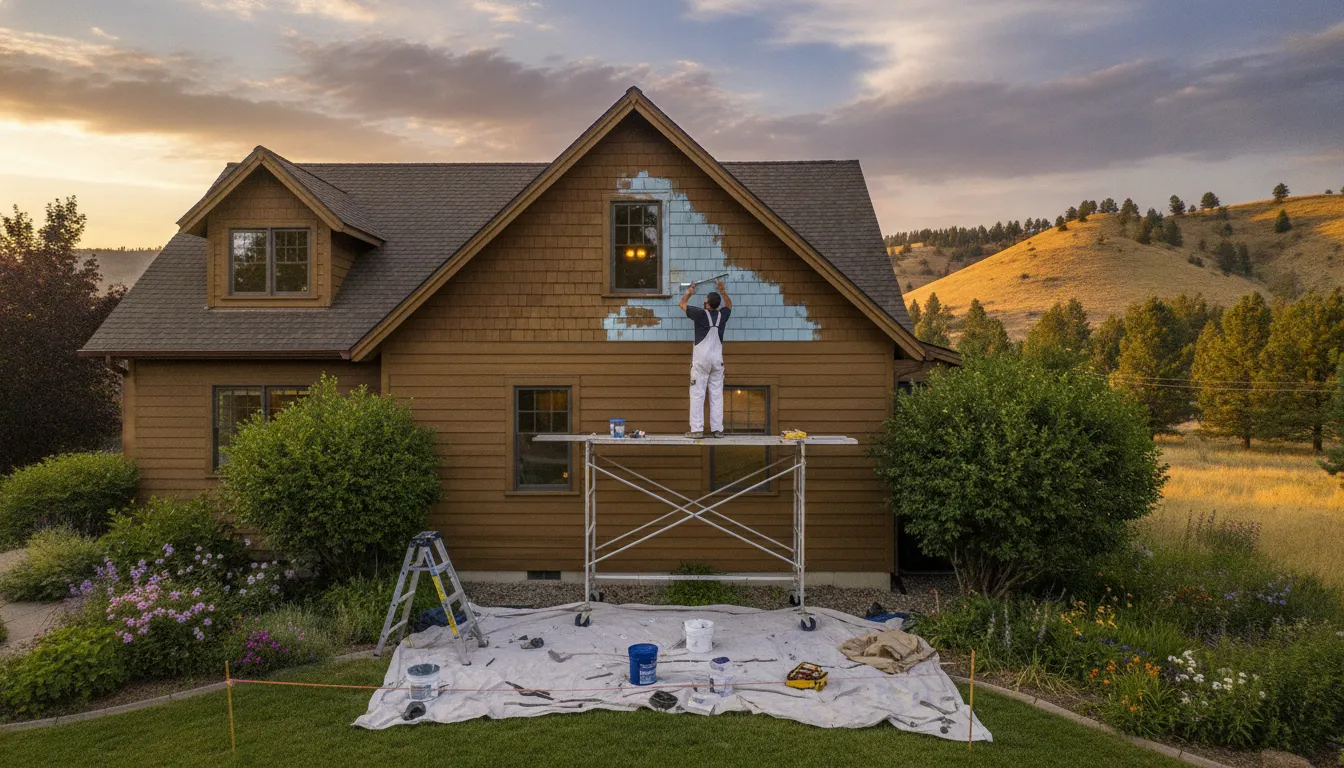
What causes exterior paint to peel?
Finding peeling exterior paint on your home is a big stress for Boise homeowners. Our local weather puts heavy strain on house walls. When paint starts to flake or bubble, it is often a sign of a deeper issue. Knowing the root cause helps you fix the problem so it does not come back next year.
Moisture and Idaho weather
Water is the main enemy of a long-lasting paint job. Moisture often gets trapped behind siding due to leaks or poor drainage. This water tries to escape, which pushes the paint layer away from the wood. To prevent this, siding should stay at least six inches above the ground. You should also fix any leaks in your roof or gutters before you start to paint.
Idaho has a harsh climate with hot sun and big shifts in heat. These changes cause wood and siding to grow and shrink. Over time, the paint loses its grip. High-grade products are a must to handle the sun in the Treasure Valley. This is a common issue we see in Boise exterior painting projects. Without them, the paint will crack and peel much faster than it should.
Poor surface prep
Most paint failures happen because of what was done before the brush ever touched the wall. If a crew paints over dirt or old flaking layers, the new coat cannot stick. New paint needs a clean and solid base to bond well. Skipping steps like power washing or scraping is a top cause of peeling exterior paint. You must remove all loose bits with a scraper or wire brush first.
Primer is also a key part of the process. It acts like glue between the house and the paint. If you use the wrong primer or skip it, the paint may look good at first but fail soon. Pro teams often test the grip of the old paint in a wide circle around the peeled area. This ensures the new finish stays flat and smooth for a long time. This is why steps for preparing house siding is so key for local homes.
Low-quality paint and age
Not all paint is the same. Low-cost paints often have more water and fewer solids. This makes the final layer thin and weak. In Boise, you need high-grade paint that can stand up to the wind and snow. Using the wrong type of paint for your siding can also cause it to fail quickly. It is best to use paint made for our dry, sunny air.
Timing matters just as much as the paint itself. Painting when it is too cold or too wet stops the paint from drying right. In our area, it is best to paint when the air is above 40 degrees Fahrenheit. If the wall is damp or the air is too humid, the paint will not bond to the wood. This leads to early chips and cracks.
Old homes built before 1978 often have lead-based paint. This paint is a health risk if it starts to chip or turn into dust. The CDC says peeling lead paint is a major risk for families. If you live in an older Boise home, you should have a pro check for lead before you sand any surfaces. Safety gear like masks and gloves is a must for these older projects.
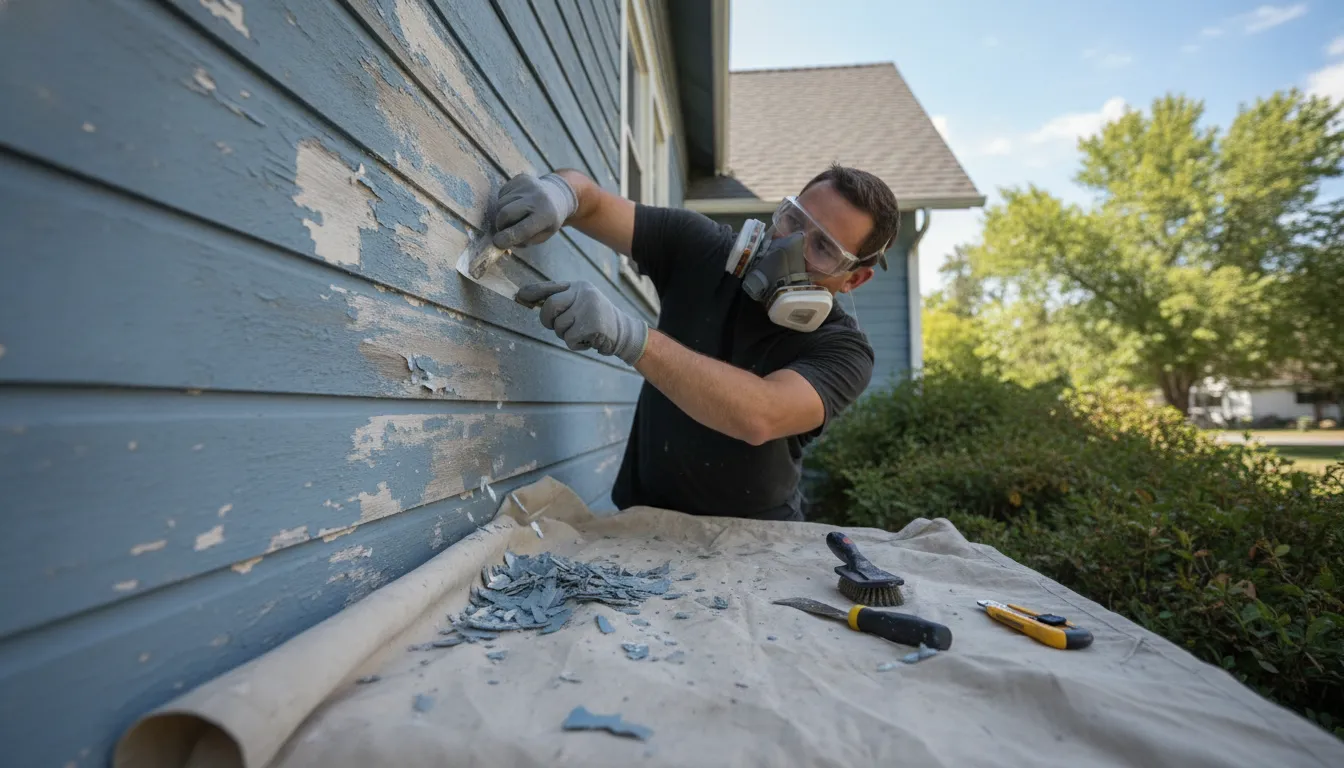
How do you prepare peeling exterior paint for repainting?
Fixing peeling exterior paint is more than just a quick cover-up. In the Boise area, our harsh sun and cold winters can wreck a poor paint job in just a few years. If you want your home to look great for a long time, you must focus on the prep work. Skipping steps now will only lead to more flakes and cracks later on.
Check for safety and moisture
Before you pick up a scraper, you must think about safety. Homes built in the U.S. before 1978 often have lead-based paint. If this paint peels or turns to dust, it can harm your health. It is best to have an expert test your home if you are not sure. You also need to look for why the paint is failing. Many times, moisture trapped behind the siding causes the wood to swell and push the paint off.
Look for leaks, clogged gutters, or plants that touch your walls. You should fix these issues first. For example, siding should sit at least six inches above the soil to keep it dry. If you paint over wet or rotting wood, the new coat will fail fast. Taking the time to find and fix the source of the moisture is a vital part of surface-preparation checklist.
Scrape and clean the surface
Now you can start to remove the old paint. You do not need to strip the whole house, but you must get rid of anything that is not stuck well. Use a stiff metal scraper or a wire brush to pull off loose flakes. If the paint comes off easily, keep scraping until you hit a spot where it stays firm. You can test the bond by checking a 6 to 12-inch area around the bare spots to see if more paint will lift.
Once the loose stuff is gone, you need to smooth the edges. This is called feathering. Use sandpaper to sand the rough edges where the old paint meets the bare wood. This helps the new paint lay flat and look smooth. After sanding, wash the walls to remove dust, dirt, and mold. A clean surface is key to helping the new paint stick.
- Protect the area: Lay down drop cloths to catch paint chips and dust. Cover your plants, lights, and windows with plastic or tape.
- Scrape the loose paint: Use a scraper to remove all flaking or peeling pieces. Work in the direction of the wood grain to avoid deep gouges.
- Sand the edges: Use medium-grit sandpaper to smooth the edge between the paint and the bare surface. This prevents the old layers from showing through the new coat.
- Wash the walls: Clean the siding with a garden hose or a low-pressure wash. Remove all dirt, grit, and mold so the primer can bond.
- Repair damages: Fill small holes or cracks with a top wood filler and a putty knife. Let the patches dry fully before you move to the next step.
- Apply caulk: Seal the gaps around windows, doors, and trim. This keeps water from getting behind your siding and causing more peeling later.
- Prime bare spots: Use a strong exterior primer on all bare wood. This seals the wood and gives the topcoat a solid base to grip.
Make repairs and apply primer
After you clean and sand, you may find small holes or cracks in your siding. Use a putty knife to apply a thin layer of exterior filler. It is better to use two thin layers than one thick one. Let the filler dry all the way before you sand it flat. This step ensures a level surface that looks great once the final color goes on.
The last part of prep is priming. A good primer acts like glue for your paint. In the Treasure Valley, we deal with big swings in heat and cold. Using a primer made for our climate is a smart move. Once the primer is dry, often in about 30 to 60 minutes, you can finally start painting. If the job feels too big, you can always hire professional exterior painting services to help. These steps will give you a finish that lasts for years to come.
Can you paint over peeling exterior paint?
Painting over peeling exterior paint without proper prep is a recipe for quick failure. New paint cannot stick to loose, flaking layers that are already pulling away from the wood or siding. If you simply coat over the mess, the new layer will fall off with the old one, often in just a few months. This shortcut wastes time and money because it does not fix the bond issue.
Why new paint fails on loose surfaces
A fresh coat of paint needs a sound base to grab onto. When paint peels, it shows that the old bond has broken, often due to moisture or Idaho’s harsh sun. Painting over flaking paint will cause the new layer to fail. It is only as strong as the weak paint beneath it. To get a lasting finish, you must remove every bit of loose material until you reach a stable surface.
In many cases, poor surface prep from a past job is the main cause for current peeling. If the wood was not cleaned or primed correctly the first time, the paint will never stay put. Proper surface preparation is the only way to ensure your home stays protected. This involves a clear process of cleaning, scraping, and sanding to build a base that can hold a new coat.
Localized touch ups vs broad failure
You can sometimes handle a small, local spot if the nearby paint is still firm and stuck well. It is important to test the coating in a 6 to 12 inch radius around any peeled areas to check if the bond is still good. If the paint continues to flake away as you scrape, you likely have a broad coating failure. In these cases, a simple touch up will not work. The entire wall or section may need a full strip and repaint.
For homes built before 1978, peeling paint brings extra safety risks. These older houses often have lead-based paint, which becomes a hazard when it starts to chip or turn into dust. The CDC warns that peeling lead paint can create dangerous dust that is hard to clean. If you suspect your home has lead paint, you should hire certified pros who have the right tools to handle the job safely.
The need for a professional eye
Finding the root cause of the peel is just as vital as fixing the surface. Trapped moisture behind siding or wood rot can push paint off from the inside out. If you see signs of mold or soft wood, you likely need more than just a new coat of paint. Professionals can find these hidden issues and fix them before they lead to big repairs. They also use top products that can stand up to the temperature swings we see in the Treasure Valley.
When you hire professional exterior painting services, you get peace of mind from a full warranty. This shows the crew is confident in their prep work and the quality of their paint. A pro team will follow a strict process to ensure the new finish lasts for years. This includes power washing to remove dust and dirt, followed by careful scraping and priming of every bare spot.
Get a free estimate for peeling exterior paint repair if the failing area is widespread, high off the ground, or showing signs of moisture damage.
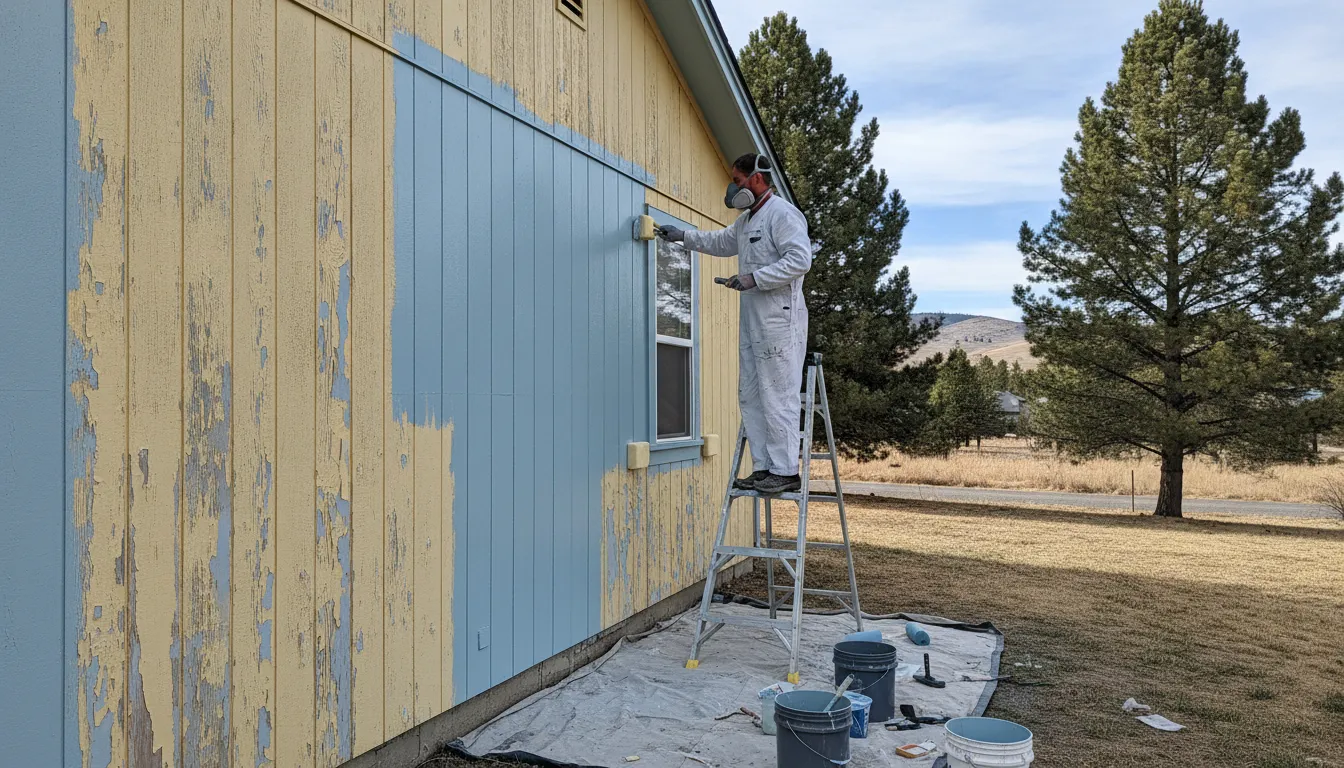
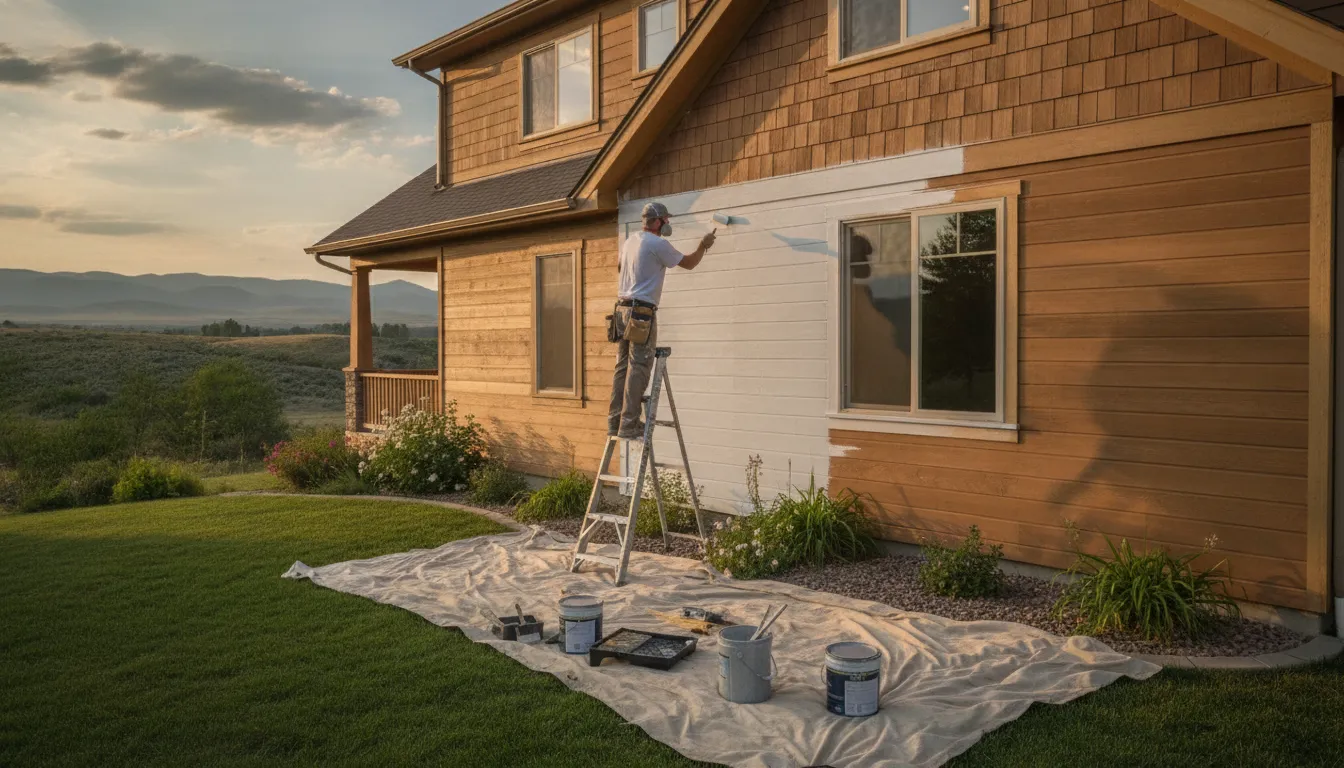
When is professional exterior repainting the better choice?
Fixing a small spot of peeling exterior paint is a task many owners can do. But when the damage spreads across your whole house, the job changes. Large projects need more than just a brush and a bucket. You must choose if you have the time, tools, and skills to do the work right. In many cases, hiring a pro saves you money and stress in the long run.
Signs of large paint failure
You may see small cracks or flakes in a few spots. This often happens because of Idaho’s harsh sun and big shifts in heat. But if you see paint falling off in large sheets, you likely have a deeper problem. This is a sign of total bond failure. It often means the last paint job did not have exterior-paint preparation process. Without a deep clean and sanding, new paint will not stick.
You should also look for wood rot or mold under the siding. If the wood feels soft or looks dark, paint will not fix it. You need to repair the wood first to stop more damage. Moisture trapped behind the siding is a common cause of these issues. Professional house painters can find these hidden problems before they ruin your home. They know how to treat the surface so the new coat lasts for years.
Safety and equipment needs
Safety is a big point when you work on a house exterior. Most homes in Boise have high peaks that are hard to reach. Using a tall ladder on uneven ground is risky for anyone without training. Professionals use high-grade lifts and scaffolding to stay safe while they work. They also have the right gear to handle old paint. This is key if your home was built before 1978.
Older homes often have lead-based paint. When this paint peels, it can create dangerous dust and chips. The Centers for Disease Control and Prevention warns that this dust is a major health risk. Only pros with the right tools should remove lead paint. They use masks and special vacuums to keep your family safe. Doing this yourself without the right gear could put your health at risk.
| Task Factor | DIY Approach | Professional Repaint |
|---|---|---|
| Safety Risk | High on ladders | Low with pro gear |
| Surface Prep | Basic scraping | 6-step deep prep |
| Time Spent | Weeks of weekends | 3 to 5 days |
| Lead Safety | Hard to manage | Certified removal |
| Guarantee | None | 5-year warranty |
Value of a service promise
A big perk of hiring a pro is the peace of mind you get. Most DIY jobs do not come with a promise. If the paint peels again in a year, you have to do the work all over. Local experts offer professional exterior painting services that include long-term protection. This means they stand by their work. They use top paints that can stand up to the local weather. These products are better than what you find at a local shop.
The best teams also use a no-deposit model. You only pay when you are happy with the final look. This removes the risk of a bad job. When you add up the cost of tools, paint, and your own time, a pro is often the best value. They ensure your home looks great and stays safe from the weather for a long time.
What is the best time to repair and repaint an exterior?
Timing your project is key to fixing a peeling exterior paint problem for good. In Boise and the Treasure Valley, the best time to paint is from spring through fall. You should wait for days when temperatures stay above 40 degrees Fahrenheit. Idaho’s extreme climate has harsh sun and big temperature swings that can cause paint to fail if the conditions are not right. Professional teams check the forecast to find a window with dry weather and low wind.
Check for dry surfaces
You must make sure your siding is fully dry before you start any work. If moisture gets trapped behind the siding, it often leads to new peeling later. In the Treasure Valley, rain or morning dew can soak into wood or siding. It is best to wait for at least 24 to 48 hours of dry weather after it rains. You can use a moisture meter to find out if the surface is ready for professional exterior painting services.
Avoid direct sun and wind
The path of the sun matters as much as the heat. You should try to paint in the shade or on the side of the house that is not in direct sun. Strong Idaho sun can dry the paint too fast, which stops it from sticking well to the wall. High winds are also a problem because they can blow dust or debris onto your fresh wet paint. A calm day with some clouds is often the best choice for Boise exterior painting projects.
Follow the paint rules
Each type of paint has its own rules for how to use it. You should always read the instructions from the company that made the paint. Some paints need more time to dry between coats than others. For example, latex exterior primers usually need to dry for 30 to 60 minutes before you add the top coat. Using the right tools like scrapers and sandpaper to remove loose bits is a big part of how to prep a house exterior. If your home was built before 1978, be careful because it may have lead paint. The CDC warns that peeling lead paint can create toxic dust.
Get a professional exterior paint assessment before a small peeling area turns into widespread siding damage.
How can you help prevent paint from peeling again?
Stopping peeling exterior paint starts with a good plan. You need to keep moisture away and check your home for small changes. Most paint failure comes from water or sun damage. If you fix these issues early, your new paint job will last much longer.
Check your home for damage
Look at your siding twice a year. Walk around your house in the spring and fall to find cracks or chips. If you see small problems now, you can fix them before they grow. Pay close attention to areas near the ground or under windows where water often sits.
You should also look for lead hazards if your home is old. The CDC notes that homes built before 1978 often have lead-based paint. This old paint can be dangerous if it starts to crack or peel. A pro can help you find these risks and tell you how to stay safe.
Manage water and moisture
Water is the main cause of paint failure in the Treasure Valley. Keep your gutters clean so water flows away from your walls. Leaks in your roof or plumbing can also trap moisture behind your siding. This makes the wood swell and pushes the paint off the surface.
Check the caulk around your doors and windows too. Good caulk keeps rain and snow from getting into the wood. If you see gaps, fill them with a high-quality sealant. This simple step helps protect your exterior paint maintenance and keeps your siding dry.
Use the right prep and paint
The best way to stop peeling is to start with a clean surface. Our team uses a detailed prep advice for Boise homes method that includes power washing and sanding. This removes old dirt and loose flakes. It also gives the new paint a rough surface to grip.
Always use high-quality paints made for the Boise climate. These products can handle our hot sun and cold winters without cracking. A good primer is also needed to seal the wood. Taking the time to do these steps now means you will not have to redo the work next year.
Frequently Asked Questions
What tools are needed to repair peeling exterior paint?
Fixing the damage needs a few basic tools. You should have a good scraper, a wire brush, and many types of sand paper to remove loose layers. A putty knife is also needed for using filler on any holes or cracks in the siding. Always wear safety gear like gloves and a mask when you work. Based on Mastershield, safety gear is very important when you deal with old paint dust.
How do I test paint adhesion before repainting?
You can check if the current paint is sound by testing the area around the damage. Use a scraper to check the surface in a six to twelve inch radius around any seen peeling. If more paint flakes off easily, it will not stick well and you must remove those parts. Sherwin Williams suggests this test to make sure the new coat sticks to a firm surface.
How do I know if peeling paint contains lead?
If your home was built before 1978, there is a high chance it has lead paint. When this old paint peels or cracks, it makes unsafe dust and chips. The CDC says that a pro risk check is the best way to find these risks. If you find lead, you should hire pros to remove it safely. Do not try to sand or scrape lead paint yourself as it can cause health issues.
How do I prevent future peeling of exterior paint?
Stopping future issues starts with moisture control and good products. Make sure your siding is at least six inches above the ground to avoid water damage. You should also use top primers and paints made for the local area. For Boise homes, Paint Boise recommends using products that can handle harsh sun and big weather shifts. Cleaning dirt and dust from your siding also helps the paint last much longer.
Ready to fix your peeling exterior paint?
Peeling paint is more than just an ugly look for your home. When paint flakes away, it leaves your wood or siding open to the sun and rain. Over time, this water can cause deep rot that is very costly to fix. If you wait too long, you might have to replace entire boards instead of just repainting them. Acting now helps you avoid these big repair bills and keeps your house safe from the weather. A fresh coat of paint makes your home look great and boosts its value right away. Our local team knows how to handle the hot sun in the Treasure Valley. We use a clear 6-step plan to make sure your new paint sticks for a long time. This includes deep cleaning and careful sanding to get the surface ready. You can view our expert exterior painting services to see how we can help you today.
Ready to request an exterior painting quote? Request an exterior painting quote to set up your free chat.