
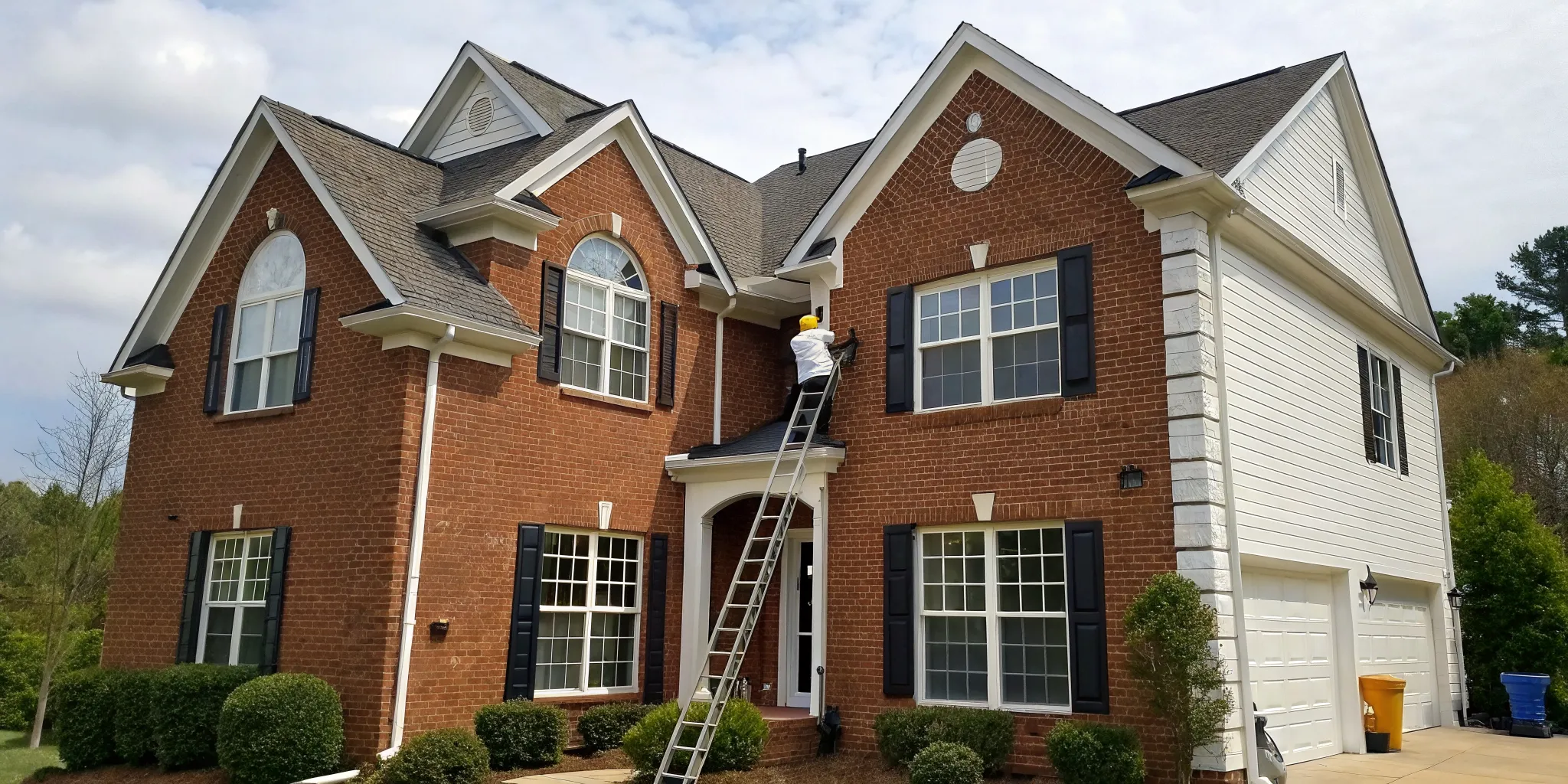
Thinking about updating your home’s exterior? If you love your brick’s natural texture, you don’t have to cover it up completely. While a solid coat of paint offers a clean, modern look, it’s not your only option. Techniques like limewashing, German smear, and brick staining can transform your home while preserving its unique character. This guide explores everything from a traditional brick house painting job to these beautiful alternatives. We’ll explain the unique finish of each method, helping you find the perfect way to enhance your home’s curb appeal.
Key Takeaways
- Understand the long-term commitment: Painting brick offers a stunning visual update, but it’s a permanent change. A proper job requires future maintenance and the right application to avoid trapping moisture, which can damage the brick itself.
- Success depends on prep and products: A lasting finish starts with a clean, dry, and repaired surface. Using a breathable, masonry-specific paint and primer is non-negotiable; this allows the brick to breathe and prevents peeling or chipping.
- Hiring a professional is a wise investment: Painting brick is a complex job with high stakes. A professional handles the intensive prep work, uses the right equipment safely, and provides a warrantied finish, protecting your home from costly mistakes.
Should You Paint Your Brick House?
Deciding to paint your brick home is a big deal, and it’s a choice that comes with some strong opinions. On one hand, a fresh coat of paint can completely transform your home’s exterior. On the other, it’s a permanent change that requires careful consideration and proper execution to avoid potential issues down the road.
The truth is, there’s no single right answer. It all comes down to your personal style, the condition of your brick, and your willingness to commit to the upkeep. To help you make an informed decision, let’s walk through the benefits and the potential drawbacks of painting your brick house. Understanding both sides is the first step toward a result you’ll love for years to come.
The Upside: Reasons to Paint Your Brick
The most immediate and exciting benefit of painting brick is the incredible visual transformation. A new color can dramatically update your home’s appearance and give it a fresh, modern feel. Dated, mismatched, or stained brick can be covered with a uniform finish, creating a clean and cohesive look. Popular choices like crisp white, modern gray, or even a deep charcoal can seriously improve your home’s curb appeal.
Beyond just aesthetics, painting gives you the freedom to personalize your home in a way that natural brick can’t. You can choose a color that complements your landscaping, your neighborhood, or simply your personal taste. The right paint, like a quality mineral-based or masonry paint, can also provide a protective layer against the elements, helping to seal out moisture when applied correctly.
The Downside: What to Consider Before You Paint
The biggest concern with painting brick is moisture. Brick is a porous material, which means it needs to “breathe” to allow any moisture it absorbs from the air or ground to evaporate. Applying a non-breathable paint can trap this moisture inside the brick. When that trapped water freezes and expands in colder weather, it can cause the paint to bubble and the face of the brick to flake or crack, a process known as spalling.
This is why proper preparation and using the right kind of paint are so important. Another key point to remember is that painting brick is a long-term commitment. Once it’s painted, it’s very difficult and expensive to restore the brick to its original state. You’ll also need to plan for maintenance, as painted brick will need to be cleaned and repainted every 7 to 10 years to keep it looking its best.
What’s the Best Paint for Exterior Brick?
Choosing the right paint for your brick home is the single most important decision you’ll make in this process. You can’t just grab any can of exterior paint and hope for the best. Brick is a porous material that needs to breathe, meaning it allows moisture to pass through it. If you seal it with the wrong kind of paint, you can trap water inside the brick, which can lead to chipping, peeling, and long-term damage to the masonry itself.
The best paints for brick are formulated to be “breathable” or vapor-permeable. They create a durable, protective layer that bonds with the surface without creating an impenetrable seal. This allows any moisture that gets into the brick to escape, preventing damage and ensuring your paint job lasts for years. The two main types of paint that fit this description are mineral-based paints and high-quality acrylic latex paints designed specifically for masonry. Making the right choice here is crucial for a beautiful, long-lasting finish that protects your investment.
Mineral-Based Paints: The Breathable Choice
If you’re looking for a premium, long-lasting finish, mineral-based paint is an excellent choice. These paints, like limewash or silicate paints, create a chemical bond with the brick itself rather than just forming a film on top. This results in an incredibly durable and breathable finish. One popular option is Romabio Masonry Flat Paint, which is praised because it “lets brick breathe, is naturally mold-resistant, can be pressure-washed (low pressure), and has a long warranty.” This type of paint offers a beautiful, flat finish that gives homes a timeless, high-end look. While it can be more of an investment upfront, its longevity often makes it a cost-effective solution over time.
Understanding Mineral Paint Properties
The magic of mineral paint lies in how it interacts with the brick. Unlike traditional paints that form a film on top of the surface, mineral-based paints penetrate the brick and create a chemical bond. This means the paint becomes a physical part of the masonry itself. As a result, you get a durable, protective layer that bonds with the surface without creating an impenetrable seal. This is the key to a successful and long-lasting paint job on brick. It allows any moisture that naturally gets into the brick to escape, which prevents the peeling, blistering, and long-term damage that can happen when moisture gets trapped by the wrong kind of paint.
Long-Term Durability and Cost
While mineral-based paints can be more of an investment upfront, their incredible longevity often makes them a more cost-effective solution over time. Because they bond with the brick instead of just sitting on top of it, they are far less likely to chip or peel. This means you won’t be dealing with frequent touch-ups or a full repaint nearly as soon. A professionally applied mineral paint finish can last for decades, maintaining its color and integrity. When you consider the cost and hassle of repainting every 7-10 years, the initial investment in a premium product and professional application starts to make a lot of sense. It’s a choice that reflects a commitment to quality and protects your home for the long haul, which is why we stand behind our work with a service guarantee.
Surface and Color Limitations
Mineral paints are fantastic, but they aren’t a one-size-fits-all solution. They work best on absorbent, unsealed surfaces where they can properly penetrate and bond with the masonry. If your brick has been previously painted with a standard acrylic or oil-based paint, you can’t simply apply a mineral paint over the top; the existing paint layer will prevent the necessary chemical bond from forming. It’s also worth noting that the color palette for mineral paints is typically more limited to natural, earthy tones, and they produce a distinct matte finish. This is why a professional assessment is so important. An expert can determine if your brick is a suitable candidate and help you choose the right products for a beautiful, lasting result.
Acrylic Latex Paint: A Durable & Accessible Option
Another fantastic option is a high-quality, breathable acrylic latex paint. This is not the same as standard exterior paint. You need to look for a formula specifically designed for masonry. According to the Brick Industry Association, it’s essential to use a “breathable acrylic latex or mineral paint.” These specialized acrylic paints are formulated to be vapor-permeable, giving you the durability and color variety of latex paint without the risk of trapping moisture. This is the type of product that professional painters often rely on for consistent, beautiful results in their expert exterior painting projects. It provides a flexible finish that can handle temperature changes without cracking, keeping your brick looking fresh for years.
Why Masonry Primer Is a Non-Negotiable First Step
No matter which type of paint you choose, skipping the primer is not an option. Brick is highly porous and will soak up paint like a sponge, leading to an uneven, blotchy finish and wasted paint. A high-quality primer specifically made for masonry is essential for creating a uniform surface for the paint to adhere to. As one professional guide notes, using a “high-quality primer made for masonry (brick)… ensures long-lasting results.” The primer seals the porous surface, prevents the brick’s natural color and efflorescence (salty deposits) from bleeding through, and provides a strong bond for the topcoat. This crucial step is what guarantees a professional-grade finish that will stand the test of time.
Popular Paint Colors for Brick Exteriors
Once you’ve decided on the right type of paint, the fun part begins: choosing a color. The color you select will define your home’s personality and can dramatically influence its curb appeal. While the options are nearly endless, a few tried-and-true color families consistently deliver stunning results on brick exteriors. Whether you’re drawn to timeless classics or bold, modern hues, there’s a perfect shade waiting to transform your home.
Timeless Whites and Creams
When you think of painted brick, a classic white house often comes to mind, and for good reason. Timeless whites and soft creams are perennial favorites because they offer a clean, crisp backdrop that makes architectural details pop. These shades can instantly modernize a home while maintaining a sense of classic elegance. For example, colors like Benjamin Moore’s “White Dove” and Sherwin Williams’ “Alabaster” are incredibly popular. As one design expert points out, their warm undertones complement various brick styles and prevent the finish from feeling too stark. Another versatile option is Sherwin Williams’ “Shoji White,” which provides a soft, inviting look that many of our clients request for their house painting projects here in Boise.
Contemporary Grays and Bronzes
If you’re aiming for a look that feels a bit more modern and moody, you can’t go wrong with sophisticated grays and bronzes. These deeper neutrals create a beautiful contrast against the natural texture of brick, adding depth and character. A standout choice in this category is Sherwin Williams’ “Urbane Bronze.” This rich, earthy color provides a contemporary edge that pairs beautifully with lighter trim for a polished, high-contrast look. It’s particularly effective on homes with traditional red or orange brick, as it grounds the color palette and gives the entire structure a more updated, sophisticated feel. This style works wonderfully for both residential homes and commercial properties looking to make a strong impression.
Dramatic Darks
For homeowners who want to make a truly bold statement, a dramatic dark color can be absolutely stunning. Deep charcoals and near-blacks create a powerful visual impact that is both modern and timelessly chic. These shades are fantastic for highlighting unique architectural features and creating a sense of drama and sophistication. Popular options like Benjamin Moore’s “Cheating Heart” or Sherwin Williams’ “Tricorn Black” can completely transform a home’s presence from the curb. When paired with crisp white trim or natural wood accents, these dark hues feel intentional and luxurious. Choosing such a bold color can feel like a big step, but when our expert exterior painting team applies it with precision, the result is a breathtaking finish that elevates your home’s entire aesthetic.
How to Prep Brick for a Flawless Paint Job
A beautiful, long-lasting paint job on brick is all about the prep work. It’s tempting to jump straight to the color, but skipping these foundational steps can lead to peeling, chipping, and a finish that just doesn’t last. Proper preparation ensures the paint adheres correctly and protects your brick from moisture damage down the road. Think of it as setting the stage for a flawless performance.
When you invest in a professional exterior painting service, a significant portion of the work happens before the first coat of paint is even opened. From cleaning to repairs, each step is crucial for achieving that smooth, durable finish you’re looking for. Taking the time to do it right ensures your home will look its best for years to come.
Start with a Thorough Cleaning
First things first, your brick needs a good wash. Over time, brick accumulates dirt, grime, mildew, and a chalky white substance called efflorescence. All of this has to go. Painting over a dirty surface is like trying to put a sticker on a dusty wall; it just won’t stick properly. A thorough cleaning ensures the primer and paint can form a strong bond with the brick. For most homes, a pressure washer on a low setting or a stiff brush with a proper cleaning solution will do the trick. After washing, the brick must be allowed to dry completely, which can take at least 24 to 48 hours.
Allowing New Mortar to Cure
If you’ve had any repair work done on your brick, patience is key before you can paint. Any new mortar needs time to cure properly. The Brick Industry Association is clear on this, advising homeowners to wait at least 28 days before painting new brick. This waiting period is non-negotiable because it allows the mortar to fully harden and, more importantly, release any trapped moisture. Rushing this step can undermine your entire project before you even pick up a brush.
Skipping the curing time is a recipe for future headaches. If you paint too soon, you trap moisture within the wall, which can lead to peeling paint and even cause the brick to spall or crumble over time. Proper curing is a critical part of the preparation process, just like cleaning the surface is. A flawless finish depends on creating the perfect canvas, and that means ensuring the primer and paint can form a strong, lasting bond. This is a detail that experienced professional painters never overlook, as it’s fundamental to a durable and beautiful result.
Next, Repair Any Cracks and Damage
Next, it’s time to play detective. Carefully inspect your brick and mortar for any cracks, holes, or crumbling sections. Even small cracks can let moisture seep in, which is a major cause of paint failure and can lead to bigger structural problems over time. Use a high-quality masonry sealer or acrylic caulk to fill any gaps you find. This step is vital for creating a smooth, uniform surface and protecting the integrity of your brick. Professional house painters are skilled at identifying and repairing this type of damage to ensure a perfect canvas for painting.
Finally, Apply Your Masonry Primer
Once your brick is clean, dry, and repaired, it’s time for primer. Brick is incredibly porous, meaning it will soak up paint like a sponge. A masonry-specific primer is designed to seal this porous surface, preventing the paint from being absorbed unevenly. This creates a uniform base that helps the topcoat adhere better and look richer. Using the right primer also helps block stains and efflorescence from bleeding through your new paint color. This step is non-negotiable for a quality finish and is a key part of our service guarantee.
How to Paint Your Brick House Like a Pro
Once you’ve prepped your brick, the real transformation begins. Painting brick isn’t quite like painting a standard interior wall; the texture and porosity of the material require a specific approach. The key is to apply the paint evenly for a smooth, durable finish that will protect your brick for years to come. While you can tackle this project yourself, getting the technique right is what separates a decent paint job from a stunning one. It’s all about using the right equipment, following the steps in order, and working with the weather, not against it.
Get Your Painting Tools Ready
Having the right tools on hand makes all the difference. For a large surface like a brick exterior, an airless paint sprayer is your best friend. It provides even, consistent coverage that’s difficult to achieve with a roller, which can leave streaks on textured brick. You can typically rent a sprayer from a local hardware store if you don’t own one. You’ll also need a high-quality masonry paint, ideally one that includes a primer. This will give you excellent coverage in just two coats. Don’t forget the basics: painter’s tape to protect trim, drop cloths for landscaping, and a sturdy ladder.
Testing Your Color Choices
Before you commit to gallons of paint, it’s absolutely essential to test your top color choices on your actual brick. A color swatch from the store can look completely different once it’s on your home, influenced by the texture of the brick and the changing natural light throughout the day. Always buy sample pots and paint large swatches—at least two feet by two feet—on a couple of different walls, like one that gets full sun and another that’s mostly in the shade. Live with the colors for a few days, observing them in the morning, afternoon, and evening. This simple step is what ensures you’ll love the final result and is a critical part of any professional expert exterior painting project, preventing any costly color regrets.
Applying the Paint: A Step-by-Step Method
With your tools ready, it’s time to paint. Start by applying your tinted primer, which creates a uniform base for your top coats. Once the primer is completely dry, you can begin painting. Using your airless sprayer, apply the first coat of masonry paint in a steady, even motion. Let it dry completely according to the manufacturer’s instructions, which can take several hours. Rushing this step is a common mistake that leads to peeling later on. After the first coat is fully cured, apply a second coat to ensure a vibrant, long-lasting color. This two-coat method is essential for achieving a professional-grade expert exterior painting finish.
Wetting the Surface for Certain Paints
This might sound counterintuitive, but for certain paints, you actually want to dampen the brick before you start. This technique is specifically for mineral-based paints, like silicate or limewash products. Because brick is so porous, it can pull the moisture out of the paint too quickly, causing it to dry improperly and fail to bond with the surface. By lightly misting the brick with water first, you allow the mineral paint to soak in more deeply and cure correctly. This ensures a durable, long-lasting finish. For standard acrylic latex paints, however, you’ll want to follow the manufacturer’s instructions, which almost always require a completely dry surface.
Loading Your Brush and Roller for Textured Surfaces
Painting a textured surface like brick requires a different approach than a smooth interior wall. To get full coverage, you need to be generous with your paint. Don’t be afraid to load your brush or roller with a little extra paint to work it into all the deep mortar joints and rough crevices of the brick. A lightly loaded roller will just skim the surface, leaving behind tiny unpainted specks and an uneven finish. The goal is to create a continuous, protective film, and that means ensuring the paint gets into every nook and cranny for a uniform look and proper seal.
Caulking After the First Coat
Here’s a pro tip for achieving a truly seamless finish. After your first coat of paint has completely dried, take a step back and inspect the surface. The initial layer of paint often reveals hairline cracks or small voids in the mortar that you might have missed during prep. To get rid of the deep shadows these cracks create, go back and fill them with a high-quality, paintable acrylic caulk. This extra step makes a huge difference in the final appearance, creating a smoother, more solid look. It’s a detail that professional commercial painters never skip when aiming for a flawless, high-end result.
Pick the Perfect Day to Paint
Timing is everything when it comes to painting brick. The weather has a huge impact on how well the paint adheres and cures. It’s best to paint on a cool, overcast day with low humidity and no rain in the forecast. Extreme heat can cause the paint to dry too quickly, preventing it from bonding properly with the brick surface. In a place like Boise, where summer days can get hot, it’s smart to plan your painting for a milder weekend in the spring or fall. Checking the forecast for a clear, temperate window of a few days will give your paint job the best possible start and help it last for years to come.
Mind the Temperature
The ideal temperature for painting brick is more than just a suggestion—it’s a critical factor for a lasting finish. If the weather is too hot, the paint can dry on contact, before it has a chance to properly bond with the brick. This leads to a weak top layer that’s prone to cracking and peeling. On the flip side, painting in temperatures that are too cold can prevent the paint from curing correctly, leaving it soft and susceptible to damage. For a successful exterior painting project, you need a consistent, moderate temperature range not just during application, but for the entire curing period afterward.
Using All-Seasons Paint in Cooler Climates
What if you can’t wait for that perfect stretch of mild weather? Fortunately, paint technology has come a long way. There are specialized “all-seasons” masonry paints designed to be applied in cooler conditions. Some formulas can be used in temperatures as low as 41°F (5°C). The key thing to remember is that the temperature must remain above that minimum threshold for the entire time the paint needs to dry, which could be several hours. This is where professional expertise becomes invaluable; knowing which products work best in the unpredictable shoulder seasons of spring and fall is essential for a durable result.
How Much Does Brick House Painting Cost?
Let’s talk numbers. Painting a brick house is a significant investment in your home’s curb appeal and protection, so it’s smart to understand the potential costs before you start. The final price tag can vary quite a bit, depending on your home’s size, the condition of the brick, and whether you hire a professional or tackle it yourself.
Budgeting for this project involves more than just the price of paint. You also have to account for prep work, supplies, and labor. To give you a clear picture of what to expect, we’ll break down the costs associated with painting a brick exterior, from DIY expenses to professional quotes. This will help you make an informed decision that fits your budget and ensures a beautiful, long-lasting finish for your home.
Cost Breakdown: Professional vs. DIY
When you’re deciding whether to hire a pro or go the DIY route, cost is a major factor. A DIY project will certainly save you money on labor, but you’ll still need to buy or rent all the necessary equipment, from power washers to paint sprayers, plus high-quality primers and paints.
Hiring professional house painters typically costs between $2,000 and $13,000, with the average home landing somewhere around $7,000. While that might seem like a big jump from the cost of materials alone, you’re paying for expertise, efficiency, and peace of mind. A professional crew has the right tools and experience to handle the extensive prep work brick requires, ensuring the job is done right the first time.
What You’ll Pay For: Materials and Labor
So, where does all that money go? The cost of a professional paint job is split between materials and labor. Labor is the largest expense because painting brick is a time-intensive process. For example, a typical two-story brick home can take a professional crew four to five days to complete, from cleaning and prep to the final coat.
High-quality materials are also a crucial part of the budget. Pros use masonry-specific primers and paints that are designed to adhere to brick and allow it to breathe. These specialized products cost more than standard exterior paint but are essential for a durable finish. When you receive a quote, it should clearly outline these costs. Many companies also offer financing options to help make the investment more manageable.
What Factors Influence the Final Cost?
Not all brick painting projects are created equal. Several key factors will influence your final quote. The most obvious is the size of your house; painters often price jobs at $1.50 to $2.50 per square foot.
The condition of your brick is another major variable. If your brick has dirt, mildew, or old, flaking paint, it will require extensive cleaning and prep work, which adds to the labor hours. The complexity of your home’s architecture also plays a role. A multi-story house with intricate trim and lots of windows requires more time and precision than a simple one-story ranch. Finally, our local Boise climate is a consideration, as professionals know how to schedule the work around the weather for the best results.
How Long Does Painted Brick Last?
Painting your brick home is a significant investment, so it’s natural to wonder how long the new look will last. A quality paint job on brick isn’t a one-and-done project; it’s a long-term commitment that requires care to keep it looking its best. The lifespan of your painted brick depends heavily on the quality of the initial preparation, the type of paint used, and your local climate. With proper application and ongoing maintenance, you can expect your beautiful finish to hold up for many years. But if key steps are skipped, you might find yourself dealing with peeling paint much sooner than you’d like.
How Many Years Can You Expect?
A professionally painted brick exterior can typically last between 8 and 15 years. The key to reaching the upper end of that range lies in meticulous prep work and using the right materials. In a place like Boise, where we see everything from hot, sunny summers to cold, snowy winters, the paint needs to be durable enough to handle fluctuating temperatures and moisture. It’s also important to remember that painting brick is a nearly permanent decision. Reverting to the original brick is an intensive and costly process, which is why getting the paint job right the first time is so crucial for long-term satisfaction.
How to Maintain Your Painted Brick
To keep your painted brick looking fresh, a little upkeep goes a long way. We recommend gently washing the surface once a year with a soft-bristled brush and a mild detergent to remove any dirt or mildew buildup. Avoid using a high-pressure washer, as it can easily chip the paint and damage the brick and mortar underneath. It’s also a good idea to walk around your home annually to inspect the paint. Look for any small chips or cracks and touch them up right away to prevent moisture from seeping in. Ensuring your gutters and downspouts are clear and directing water away from your walls will also help protect the paint from water damage.
Signs It’s Time for a Repaint
Your home will give you a few clear signals when it’s ready for a new coat of paint. The most obvious sign is visible peeling, bubbling, or flaking. This often happens when moisture gets trapped behind the paint layer, causing it to lose adhesion. You might also notice the color has started to fade significantly or that a chalky powder comes off when you run your hand over the surface. This “chalking” means the paint is breaking down from sun exposure and is no longer providing adequate protection. If you see these issues, it’s time to consider a fresh coat to protect your brick and restore your home’s curb appeal. Addressing these problems promptly is key to preventing more extensive damage, so calling in a professional for an expert exterior painting job is your best next step.
Brick Painting Mistakes (And How to Avoid Them)
Painting a brick home can completely transform its curb appeal, but it’s a project where cutting corners can lead to big regrets. A few common missteps can cause peeling, bubbling, and even long-term damage to your brick. Knowing what to watch out for is the first step toward a beautiful, long-lasting finish. From rushing the prep work to grabbing the wrong can of paint off the shelf, these are the most frequent mistakes homeowners make and, more importantly, how you can steer clear of them. By avoiding these pitfalls, you can ensure your painted brick looks fantastic for years to come.
Mistake #1: Skipping the Prep Work
The most critical mistake you can make is jumping straight to painting without proper preparation. Brick is a porous, textured surface that collects a lot of dirt, dust, and mildew over time. Before a single drop of primer touches the wall, the brick needs to be cleaned thoroughly and given ample time to dry completely. This often involves pressure washing and scrubbing. You’ll also need to tape off windows, protect light fixtures, and move any outdoor furniture. Skipping this step means you’re painting over grime, not the brick itself, which is a recipe for peeling paint. Proper prep is the foundation of a professional exterior painting job and is non-negotiable for a finish that lasts.
Mistake #2: Choosing the Wrong Paint or Primer
Not all paint is created equal, especially when it comes to brick. Grabbing a standard can of interior or exterior latex paint is a huge error. Brick needs to breathe, meaning it must be able to release any moisture that gets absorbed. Regular latex paint creates a non-breathable film that traps moisture inside the brick. This can lead to blistering, peeling, and eventually, spalling (when the face of the brick flakes off). Instead, you need to use a high-quality, breathable paint, such as a mineral-based or acrylic latex paint specifically formulated for masonry. This allows moisture to escape, protecting both the paint job and the integrity of your brick. Using the right materials is a core part of our service guarantee.
Mistake #3: Applying the Paint Incorrectly
How you apply the paint is just as important as what you apply. A common mistake is trying to cover everything in one thick coat. This leads to an uneven finish and can cause drips and runs. For the best results, you should apply two thinner coats, allowing the first to dry completely before starting the second. If you’re using a paint sprayer, it’s also essential to back-roll the surface immediately. This technique involves going over the freshly sprayed area with a thick-nap roller to push the paint into all the tiny cracks and porous mortar joints. This ensures complete coverage and a uniform, professional look that you expect from experienced house painters.
Not Sure About Paint? Consider These Alternatives
Painting brick is a fantastic way to update your home, but it’s a permanent decision. If you’re looking for a change but aren’t quite ready to cover up that classic brick texture completely, you have some beautiful options. These alternatives can refresh your home’s exterior while preserving the unique character of the brick itself. They offer different levels of coverage and unique finishes, from rustic to refined, giving you more ways to achieve the perfect look for your property. Exploring these techniques can help you make a choice you’ll be happy with for years to come.
German Smear for a Rustic, Textured Look
If you love the look of aged, European-style homes, a German smear might be exactly what you’re looking for. This technique involves applying a thin layer of wet mortar over the face of the brick and then removing some of it before it dries. The result is a charming, rustic finish that highlights the brick’s texture while softening its color. Unlike a solid coat of paint, a German smear allows bits of the original brick to peek through, creating depth and a unique, irregular pattern. It’s a great way to add character and a sense of history to your home’s exterior.
Limewash for a Charming, Matte Finish
Limewash is a classic, time-tested finish that gives brick a soft, matte, chalky look. Made from crushed limestone, this breathable coating soaks into the brick instead of sitting on top of it like paint does. This allows moisture to escape, which is great for the health of your brick. You can apply a thin coat for a translucent, sun-bleached effect or add more coats for a more opaque finish. One of the most appealing things about limewash is how it ages gracefully, gently weathering over time for a soft, lived-in appearance. While our expert exterior painting services provide a flawless, uniform finish, limewash offers a more subtle, organic transformation.
Brick Staining to Change Color, Not Texture
Think of brick staining as a way to tint your brick rather than cover it. If you like the texture of your brick but aren’t a fan of the color, staining is an excellent choice. The stain penetrates the pores of the brick, changing its color while keeping the natural texture and variations completely visible. This process results in a very natural look that won’t peel or chip like paint can. It’s perfect for correcting mismatched brick repairs, toning down a color you don’t love, or simply giving your home a fresh, updated hue without the commitment of an opaque finish.
When Should You Hire a Professional Painter?
Deciding to paint your brick home is a big step, and the next question is whether to tackle it yourself or bring in the pros. While a DIY project can be satisfying, painting brick is a high-stakes job with little room for error. Unlike drywall, you can’t just sand down a mistake and start over. The process requires specific knowledge, tools, and a lot of patience to get right. If you’re aiming for a flawless, long-lasting finish that adds value to your home, hiring an expert is often the smartest move. A professional painter can spot potential issues you might miss, like efflorescence or hidden moisture problems, and address them before they become major headaches.
Hiring a team of expert exterior painting professionals means you’re not just paying for labor; you’re investing in experience. They understand the unique challenges of painting masonry, from choosing the right breathable paint to ensuring the surface is perfectly prepped. Consider hiring a professional if you’re short on time, uncomfortable working on ladders, or if you want the peace of mind that comes with a job done right the first time. It’s about protecting your investment and ensuring your home looks its best for years to come.
For Extensive Prep and Repairs
Proper preparation is the most critical part of painting brick, and it’s also the most time-consuming. Before you can even think about paint, the entire surface needs to be thoroughly cleaned to remove dirt, grime, and mildew. This often involves pressure washing. You’ll also need to inspect for and repair any cracks in the mortar, remove shutters, and carefully tape off all windows, doors, and light fixtures.
This prep work is non-negotiable for a durable finish, but it can easily take up an entire weekend or more for the average homeowner. A professional crew has the process down to a science. They can handle the intensive cleaning and repairs efficiently, ensuring the brick is a perfect canvas for the new paint. Handing this stage over to a pro saves you time and physical effort and guarantees the foundation of your paint job is solid.
For Safety and Access to Proper Equipment
Painting a house, especially a multi-story one, involves working at heights. Balancing on a ladder while managing a paint sprayer or roller is a serious safety risk if you’re not used to it. Professional painters are trained to work safely on ladders and scaffolding and are fully insured, which protects you from any liability in case of an accident.
They also come equipped with professional-grade tools, like airless paint sprayers, that ensure an even and efficient application. While you can rent this equipment, there’s a learning curve to using it correctly. An uneven spray can leave you with a blotchy, unprofessional finish. Hiring a team means you get the benefit of high-end equipment and the expertise to use it effectively, all without having to set foot on a ladder yourself.
The Benefits of Scaffolding
Beyond just safety, scaffolding is a game-changer for the quality of the final paint job. It provides a stable, continuous platform that allows painters to move freely along a wall, ensuring every inch is reached with precision. This is especially important for achieving a uniform finish on a textured surface like brick. Instead of constantly climbing up and down to reposition a ladder, a painter can focus entirely on the application, leading to a more efficient process and a flawless result. This level of access is a key part of a professional exterior painting job, as it allows for the meticulous attention to detail needed to cover every mortar joint and brick face evenly.
Staying Safe in Windy Conditions
Here in Boise, the weather can turn windy without much warning, and that’s when working on a ladder becomes particularly hazardous. Scaffolding provides a much wider and more secure base, minimizing the risk of falls and allowing work to continue safely even in breezy conditions. This stability means the painting team can focus on their craft without worrying about balance. When you hire a professional brick painting crew, you’re also investing in their commitment to safety protocols. This not only protects the workers but also gives you peace of mind, knowing the job is being handled responsibly and to the highest standards, which is a core part of our service guarantee.
For a Flawless Finish (and a Warranty)
When you paint brick, you want the results to last. Professionals have the product knowledge to select the best primers and paints for your specific type of brick, ensuring breathability and durability. They know the right application techniques to create a bond that resists chipping and peeling for decades. An experienced painter who knows how to treat brick correctly can prevent costly moisture damage down the road.
Perhaps most importantly, a reputable painting company stands behind its work. For example, we offer a service guarantee that provides you with confidence and peace of mind. If any issues arise, you have a professional to call. A DIY project doesn’t come with that kind of assurance. Investing in a professional service ensures a beautiful, high-quality finish that is protected for years to come.
Related Articles
- How to Choose the Right Masonry Paint for Your Home
- Painting an Old House: What You Need to Know
- Exterior House Painting Estimate: What’s Included & Cost Factors
- Hiring Exterior House Painters: A Complete Guide
Frequently Asked Questions
Can I ever remove the paint if I change my mind? Technically, yes, but it’s a very difficult, expensive, and often damaging process. Removing paint from brick typically requires harsh chemicals or abrasive blasting methods that can harm the surface of the brick and mortar. For this reason, it’s best to think of painting your brick as a permanent decision. Taking the time to choose the right color and hiring a professional for the job is your best bet for a result you’ll love long-term.
Will painting my brick home affect its resale value? A high-quality, professional paint job can absolutely improve your home’s resale value. It creates a clean, updated look that boosts curb appeal and can make an older home feel fresh and modern. However, a poorly executed paint job with peeling or chipping can have the opposite effect. The key is proper preparation and using the right materials, which ensures the finish is beautiful and durable, making it an asset to potential buyers.
How can I tell if my brick is suitable for painting? Before painting, your brick should be in good structural condition. Walk around your home and look for signs of moisture damage, crumbling mortar, or areas where the face of the brick is flaking off (a problem called spalling). If you see any of these issues, they need to be repaired before any paint is applied. Painting over damaged brick will only trap moisture and make the problems worse. If you’re unsure, a professional assessment is the safest way to know if your brick is ready.
What’s the real difference between limewash and paint? The main difference is how they interact with the brick. Paint forms a solid film that sits on top of the brick’s surface, creating a uniform, opaque color. Limewash, which is made from limestone, soaks into the brick itself. This results in a more translucent, matte finish that allows for beautiful, subtle variations in color and texture. Limewash also patinas gracefully over time, creating a classic, weathered look, while paint provides a crisp, consistent finish.
How long does the entire process of painting a brick house usually take? For a professional crew working on an average-sized home, the entire project typically takes about a week from start to finish. This timeline includes a full day or two for thorough cleaning and allowing the brick to dry completely. It also accounts for time spent on repairs, priming, and applying two final coats of paint. Of course, factors like the size of your home and unpredictable weather can influence the schedule.