
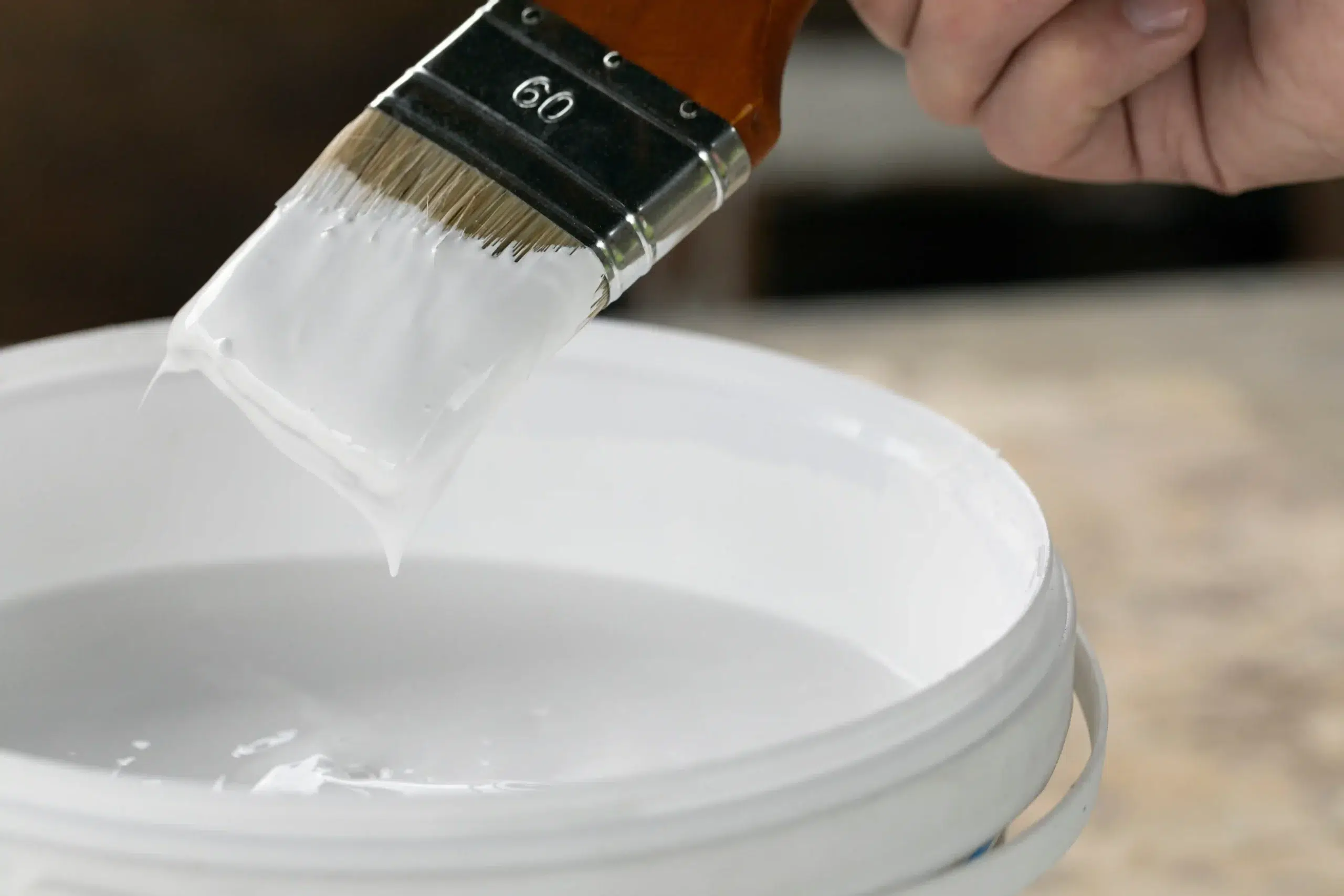
Here in Boise, our homes and businesses face it all: hot, dry summers and cold, wet winters. This seasonal swing puts a tremendous amount of stress on painted surfaces, especially exteriors. That’s why selecting the right paint is about more than just curb appeal; it’s about long-term protection. The debate between acrylic latex paint is particularly important in our climate. One is designed with the flexibility to handle temperature changes without cracking, while the other is perfect for stable indoor environments. This article will help you choose the right formula to ensure your paint job can withstand the Treasure Valley weather.
Choosing the right paint can make a big difference in how long your project lasts and how it holds up over time. Acrylic and latex paints are two of the most popular options, but they’re designed for different needs. With the help of Boise Commercial & Residential Painting’s tools and expert tips, you can learn more about the difference between acrylic and latex paint, where each one works best, and how to decide which is right for your home or business.
What is Acrylic Paint?
Acrylic paint is a high-quality, water-based option made with acrylic resin, which gives it added strength and flexibility. Sherwin-Williams 100% acrylic exterior paints, such as Emerald Exterior Acrylic Latex and Duration Exterior Acrylic Latex, are designed to resist moisture and withstand temperature changes, making them ideal for outdoor surfaces and other areas that require extra durability. Many professional painters choose acrylic paint for projects where long-lasting performance matters. Key characteristics of acrylic paint include:
- Strong adhesion to many surfaces, including masonry and metal.
- Flexibility that helps the paint expand and contract without cracking.
- Better resistance to moisture and changing weather conditions.
Acrylic Paint’s Biggest Strengths
- Acrylic paint holds up well over time and resists peeling and fading, especially on exterior surfaces.
- It performs well in rain, heat, and temperature changes, making it a strong choice for outdoor areas.
- Acrylic paint can expand and contract as surfaces shift, which helps prevent cracking.
A Few Things to Keep in Mind
- Acrylic paint usually costs more than latex paint because of its higher performance and durability.
- It takes longer to dry, which can slow a project down compared to latex paint.
- Acrylic paint can release more odors and fumes during application, so good ventilation is important.
Potential for More Coats
Because acrylic paint is so flexible, it can handle temperature swings without cracking or peeling, which is a huge plus for durability. This flexibility, however, means it sometimes applies in thinner layers than latex paint. As a result, you might find yourself needing an extra coat to get that perfectly smooth, even coverage you’re looking for. While this can add a bit of time to your project, the trade-off is a finish that’s built to last. This resilience is exactly why it’s a top choice for expert exterior painting, where surfaces need to withstand Boise’s changing seasons year after year.
Caution with Untreated Metal
Acrylic paint is versatile, but it’s not the right choice for every surface right out of the can. You should be careful when using it on untreated metal. Because acrylic paint is water-based, applying it directly to raw metal can trap moisture and contribute to rusting over time. To avoid this, proper surface preparation is key. The metal needs to be cleaned and primed with a product specifically designed to inhibit rust before you even think about painting. This is a common consideration for many commercial painting projects, where metal doors, railings, and structural elements are often part of the job.
What is Latex Paint?
Latex paint is a water-based option made with synthetic polymers such as acrylic/vinyl resins. Sherwin-Williams interior latex paints, including SuperPaint Interior Acrylic Latex and Cashmere Interior Acrylic Latex, are durable, flexible, and dry quickly, making them a great option for most interior walls and ceilings. Despite its name, Latex paint does not contain natural rubber latex. It’s easy to clean with soap and water, has a low odor, and contains low levels of volatile organic compounds (VOCs), making it safe for indoor use. Key characteristics of latex paint include:
- Latex paint spreads easily, giving walls and ceilings a uniform, clean finish without much effort.
- Because it’s water-based, brushes, rollers, and spills can be cleaned with just soap and water.
- Latex paint produces less smell than many other paints, making it more comfortable to use indoors.
Latex Paint’s Best Qualities
- Latex paint is budget-friendly, making it a popular choice for interior projects.
- Spills and brushes can be cleaned with soap and water, which makes painting and maintenance simple.
- Latex paint dries fast, so rooms can be used sooner and projects are completed more quickly.
What to Know Before Choosing Latex
- Latex paint doesn’t hold up as well as acrylic paint in high-moisture or high-wear areas.
- It also doesn’t handle temperature changes or exposure to the weather well, which can lead to peeling or cracking over time.
Visible Brush Strokes
While latex paint is a great budget-friendly option for many interior projects, one thing to keep in mind is that brush strokes can sometimes remain visible after the paint dries. For anyone aiming for a perfectly smooth, flawless finish on their walls or ceilings, this can be a drawback. Achieving that seamless look often requires a steady hand and the right technique. If you’re concerned about texture and want a pristine result, working with a team that specializes in expert interior painting can make all the difference, ensuring an even application every time.
Limitations on Certain Surfaces
Acrylic paint is known for its impressive durability and ability to stick to almost any surface, from wood and metal to masonry. Its flexibility allows it to expand and contract with temperature changes, making it a top performer for demanding expert exterior painting projects. On the other hand, latex paint isn’t as resilient in high-moisture or high-traffic areas. In places like bathrooms, kitchens, or busy commercial hallways, it may not hold up as well over time, potentially leading to peeling or cracking. This is why matching the paint to the environment is so important for a lasting finish.
Acrylic vs. Latex Paint: What’s the Real Difference?
Both acrylic and latex paint are great choices. So, what should you consider when picking between them?
How They’re Made
Acrylic paint is strong, flexible, and long-lasting because it is made with acrylic resin. It works well on surfaces that need extra durability. In contrast, latex paint uses vinyl or synthetic binders, making it easier to apply and better for indoor use. The differences affect how each type of paint performs and where it should be used.
Understanding Binders: Acrylic vs. Vinyl
Think of the binder as the glue in your paint—it holds the pigment together and makes the paint stick to the surface. The main difference between acrylic and latex paint comes down to this key ingredient. True acrylic paint uses a 100% acrylic resin binder. This is what gives it that impressive flexibility and strength, allowing it to expand and contract with temperature shifts without cracking. It’s why professionals often recommend it for challenging exterior painting projects. Latex paint, on the other hand, typically uses a vinyl or vinyl-acrylic blend. This binder is still effective and makes the paint more affordable and easy to apply, which is perfect for most interior walls. The key takeaway is that the binder directly impacts the paint’s durability and where it performs best.
Which Paint Lasts Longer?
Acrylic paint is highly durable and can withstand heavy wear and tear, making it a great choice for areas that get heavy use or are exposed to the weather. On the other hand, latex paint is better for indoor use, but it doesn’t hold up as well in tough conditions, which is why people usually choose it for interior walls and ceilings.
Resisting Cracks: A Look at Flexibility
Acrylic paint can expand and contract with temperature changes, helping prevent cracking. Latex paint is not as flexible and works best in stable indoor areas where temperature and moisture changes are not a problem.
Standing Up to the Elements
Acrylic paint holds up better against sun, rain, and temperature changes than latex, which is why it’s the go-to choice for outdoor projects. Latex paint isn’t designed for harsh outdoor conditions, so it’s best to use it indoors where it won’t have to withstand the weather.
Built-in UV Protection
Acrylic paint’s chemical makeup gives it a natural defense against the sun’s ultraviolet (UV) rays. This is a huge benefit for any outdoor project, as constant sun exposure can cause colors to fade and the paint to break down over time. Because acrylic paint resists UV damage, it keeps its color and integrity much longer, especially on surfaces that face the sun all day. This built-in protection is a key reason why professionals often recommend it for exterior painting projects, ensuring your home or business continues to look fresh and vibrant for years without premature fading.
This UV resistance works hand-in-hand with acrylic paint’s impressive flexibility. As temperatures fluctuate throughout the day and across seasons, exterior surfaces like siding and trim expand and contract. Acrylic paint moves with these changes, which helps prevent the cracking and peeling that can expose the underlying material to damage. When you combine this resilience with its ability to fend off sun damage, you get a finish that truly lasts. This means fewer touch-ups and less frequent repainting, saving you time and money while keeping your property protected.
Let’s Talk Fumes: VOCs and Air Quality
When working with acrylic paint, which has higher VOCs, you’ll want to make sure you have plenty of ventilation. If you’re looking for something more user-friendly indoors, latex paint often comes in low-VOC options.
How Fast Does It Dry?
Latex paint dries quickly, so you can use the rooms sooner and finish projects faster. On the other hand, acrylic paint takes a bit longer to dry, but that extra time pays off with a longer-lasting, more durable finish.
The Best Surfaces for Each Paint
Acrylic paint is versatile and works great on surfaces like wood, metal, concrete, and even outdoor trim. If you’re painting indoors, latex paint is a great choice for drywall, plaster, and ceilings, which is why most people choose it.
Comparing the Price Tag
Acrylic paint costs more because it lasts longer and works better. It’s a good choice for outdoor areas or places that experience heavy wear. Latex paint is cheaper and is better for large indoor projects where saving money and ease of use are important.
Finish and Appearance
When it comes to the final look, acrylic and latex paints offer different results. Acrylic paint generally has a glossier, more vibrant finish that can make colors pop. According to the experts at FinDécor, “Acrylic paint tends to be glossier than standard latex, providing a more vibrant finish. It also holds up well over time and resists peeling and fading, especially on exterior surfaces.” This makes it an excellent choice for expert exterior painting, where you want the color to last against the elements. Latex paint, on the other hand, is often preferred for its softer, lower-sheen finish, which is ideal for creating a welcoming atmosphere on interior walls and ceilings without highlighting imperfections.
Painting Over Existing Coats
A common question is whether you can apply one type of paint over the other. Since both are water-based, you can typically paint acrylic over latex without any issues. As Five Star Painting notes, “You can usually paint acrylic over latex because both are water-based. However, it’s a good idea to ask a professional painter to be sure.” Proper surface preparation—like cleaning and light sanding—is always key to good adhesion. If you’re unsure about the existing paint type or the condition of the surface, it’s always best to consult with professional house painters. They can assess the situation and recommend the right steps to ensure your new coat of paint looks great and lasts for years.
When to Use Acrylic vs. Latex Paint
Choosing the right paint depends on where and how it will be used. By learning when and where to use each option, you’re more likely to get long-lasting, professional-grade results.
Where Acrylic Paint Shines
Acrylic paint is a strong choice for exterior walls and trim that are exposed to sun, rain, and changing temperatures. It also performs well in high-moisture areas like bathrooms, especially if the surface is properly prepared. Acrylic paint adheres well to a variety of surfaces, including furniture, metal, and masonry. Because of its strength and flexibility, it’s often used for specialty or detailed projects that need long-lasting results.
The Best Spots for Latex Paint
Latex paint is ideal for painting interior walls and ceilings in homes and offices. It works well in low-traffic areas, such as bedrooms and offices. Latex paint is an excellent choice for simple indoor projects because it’s easy to apply, dries quickly, and has a low odor. Its easy cleanup makes it a great choice for everyday indoor painting.
Beyond Walls: Other Common Uses
Acrylic Paint for Crafts and Furniture
Acrylic paint isn’t just for walls; it’s also a fantastic choice for crafts and furniture projects. If you’re giving an old dresser a makeover or personalizing some home decor, its strong adhesion allows it to stick well to many surfaces, including wood, metal, and even plastic. This versatility, combined with its durable finish, makes it a favorite for DIY enthusiasts looking for reliable results. The water-based formula also means cleanup is straightforward with soap and water, which is a huge plus for any hands-on project. It’s an adaptable paint that opens up a lot of creative possibilities.
One of acrylic paint’s best features for furniture is its flexibility. Wood can expand and contract with temperature changes, and acrylic paint moves right along with it, which helps prevent cracking and peeling. This makes it especially suitable for outdoor furniture or pieces that get a lot of sun. Because it holds up so well and resists fading, your newly painted piece will keep its fresh look for years. This same durability is why professionals often use high-quality acrylics for detailed work like cabinet painting, ensuring a finish that is both beautiful and built to last.
Painting with Peace of Mind: Health & Eco-Factors
The paint you choose can affect how comfortable your indoor space feels, the overall atmosphere, and even the environment. When deciding between acrylic and latex paint, think the health and environmental factors.
VOCs and Your Indoor Air Quality
Latex paint is a good choice for indoor spaces because it has lower VOC levels. This helps maintain better air quality in your home. Acrylic paint tends to release more VOCs during application and drying, so ventilation of the area is essential during use.
How to Handle the Cleanup
Both acrylic and latex paints can be cleaned up with water. However, latex paint is usually easier and faster to clean, as you can wash brushes and rollers without using strong chemicals. On the other hand, cleaning up acrylic paint can take more effort, especially if it starts to dry.
Which Paint is Greener?
Latex paint is usually more friendly to the environment, especially with today’s low-VOC options. Although acrylic paint can have higher VOCs, it lasts longer on outdoor surfaces, which means you may not need to repaint as often.
So, Which Paint Should You Choose?
The best paint choice depends on factors like surface type, durability, and budget. If you’re trying to decide between acrylic and latex paint, these tips can help.
- Choose acrylic paint for masonry, metal, and other exterior or non-porous surfaces. Meanwhile, latex paint works best on drywall and other interior surfaces.
- Acrylic paint is better for outdoor areas exposed to weather, while latex paint is ideal for indoor spaces.
- Latex paint is a more cost-effective choice, especially for large interior projects, but doesn’t offer the long-term strength and durability.
- Latex paint is easier to apply, making it a good option for beginners or simple painting jobs.
- Acrylic paint provides a tougher, more durable finish, while latex paint offers a smooth, clean appearance for interior spaces.
Get a Flawless Finish: Application & Care Tips
How to apply and maintain paint makes a big difference in its durability and finish. To get a smooth finish and high-quality results, you’ll want to prepare for the job.
Prepping Your Surface for Success
Before you start painting, clean and sand the surfaces, and wipe away any residue. This preparation helps the paint stick better to the existing surface, which makes the finished result last longer.
To Prime or Not to Prime?
When using acrylic paint, start with a high-quality primer, especially on bare, exterior, or porous surfaces. This small step helps with adhesion and durability, making your final product look even better.
Choosing the Right Tool for the Job
Choose your painting tool based on the size and the kind of surface you’re working with. Use brushes for detailed areas, rollers for larger, flatter areas, and sprayers for getting a smooth finish on complex or textured surfaces.
Application Conditions to Consider
The environment you’re painting in plays a huge role in the final outcome. Paying attention to temperature, weather, and how the paint dries will help you get a professional-looking finish that lasts.
Ideal Temperature and Weather
Acrylic paint is the clear winner for outdoor projects because it holds up so well against sun, rain, and temperature shifts. This resilience makes it the go-to choice for expert exterior painting, especially here in Boise where our weather can be unpredictable. It’s designed to handle the elements without fading or cracking. On the other hand, latex paint thrives in stable, indoor environments. Since it isn’t built to withstand harsh weather, it’s best used inside your home or business where you don’t have to worry about temperature extremes or moisture affecting the finish.
Coverage and Dry Times
How quickly you need a project done can also influence your paint choice. Latex paint dries fast, which is a huge advantage for interior jobs. It means you can get your rooms back in order sooner and complete projects more efficiently with less disruption to your daily life. Acrylic paint takes a bit longer to dry, but this slower curing process is what helps create its incredibly durable, long-lasting finish. That extra time is a worthwhile trade-off for a surface that will resist wear and tear for years to come. A professional team knows how to manage these different dry times to ensure a flawless application, whether it’s a quick interior refresh or a durable exterior coat.
Keeping Your Paint Job Looking New
Occasionally, give the area a quick clean, even if you’re just wiping it down. A little care helps your paint stay fresh and bright for years.
Key Takeaways
Acrylic and latex paint each have their benefits, so the best choice depends on your project. Acrylic paint is durable and weather-resistant, making it a great choice for outdoor areas and high-traffic areas. Latex paints are easier to use, more affordable, and better suited to indoor spaces where you want a quick, clean finish. Whether you are painting outdoors or indoors, Boise Commercial & Residential Painting offers professional painting services for homes and businesses. Contact us to get started on your next painting project.
Tips for Touch-Ups and Repairs
Life happens, and so do scuffs, dings, and scratches on your walls. When it’s time for a quick fix, knowing whether you’re working with acrylic or latex paint can make a difference. For example, the flexibility of acrylic paint is great for exterior repairs where surfaces might shift slightly with temperature changes. For most indoor wall touch-ups, you’ll likely be dealing with latex paint. The key to any successful repair is making it blend in seamlessly, so it looks like the damage was never there. With a little care and the right approach, you can keep your home’s paint looking fresh and flawless between full repaints.
Matching the Sheen Perfectly
When it comes to touch-ups, matching the color is only half the battle. The secret to an invisible repair is matching the paint’s sheen—its level of shininess. If you use a satin finish to patch a spot on a matte wall, that patch will stick out every time the light hits it, no matter how perfect the color match is. For the best results, always try to use paint from the original can. If you don’t have any left, it’s crucial to know the exact sheen and brand used. This small detail is what separates a noticeable patch from a flawless repair that blends right in.
Frequently Asked Questions
Is it okay to use acrylic paint inside my house? Yes, you absolutely can. While acrylic paint is the top choice for exteriors, its impressive durability makes it a great option for high-traffic indoor areas. Think about using it in hallways, mudrooms, or on trim and doors that see a lot of wear. Just remember that it can have a stronger odor, so be sure the space is well-ventilated while you work.
For a high-moisture area like a bathroom, is acrylic or latex better? For steamy spaces like bathrooms and kitchens, acrylic paint is generally the stronger choice. Its composition offers better resistance to moisture, which helps prevent the peeling and bubbling that can happen over time in damp environments. This extra durability ensures your paint job holds up against daily humidity.
Is the higher price of acrylic paint actually worth the investment? It really comes down to the specific project. For your home’s exterior, the answer is a definite yes. You’re investing in superior weather resistance and flexibility that protects your home and means you won’t have to repaint as soon. For a quiet guest room or a formal living room, a high-quality latex paint is often a perfectly suitable and more budget-friendly choice.
Can I paint acrylic over my existing latex paint, or do I need to start from scratch? You’re in luck, you usually don’t have to start over. Since both paints are water-based, you can typically apply acrylic paint directly over a surface that was previously painted with latex. The most important step is proper preparation. Make sure the wall is clean, dry, and lightly sanded to give the new paint a good surface to grip.
Why is choosing the right paint so important for homes in Boise specifically? Our local climate puts paint to the test. The intense sun in the summer can cause colors to fade, while the temperature swings between seasons cause building materials to expand and contract. A paint like acrylic is designed to be flexible and move with these changes, which prevents cracking and peeling. Making the right choice is about protecting your home from the specific challenges of our Treasure Valley weather.