
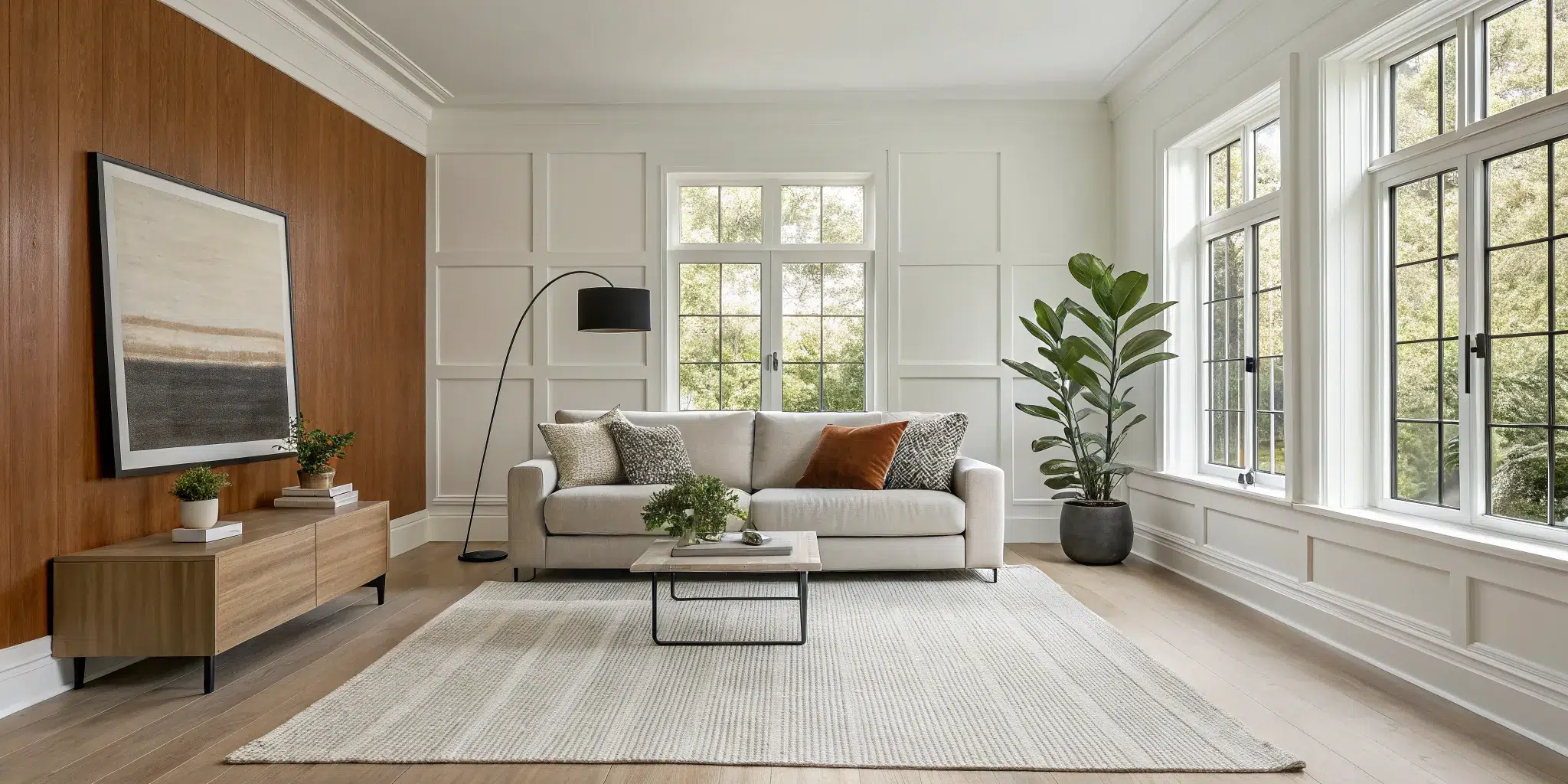
When you think about painting your living room, your mind probably goes straight to color. While choosing the perfect shade is important, the real magic happens when you start thinking about design. A simple coat of paint can refresh a room, but a thoughtful design can redefine it entirely. Techniques like geometric patterns, elegant stripes, or even a textured finish can add depth, character, and a custom feel that a single color can’t achieve on its own. This guide explores the world of wall painting for living room spaces beyond the color swatch, showing you how different application styles can turn your walls into a stunning and intentional feature of your home.
Key Takeaways
- Think beyond a single color: A truly great living room design uses paint strategically. Consider creating a focal point with a classic accent wall, a modern geometric pattern, or elegant stripes to add personality and depth to your space.
- The foundation is everything: A flawless, long-lasting finish depends on more than just the final coat. Proper wall preparation, including cleaning and patching, combined with high-quality paint in the right sheen is essential for a professional result.
- Use paint to enhance your layout: Your room’s size and shape should guide your design choices. Use light, reflective colors to make a small room feel bigger, or use a bold accent wall to define a zone within an open-concept floor plan.
What Makes a Living Room Wall Design Truly Great?
A great living room wall design does more than just cover the drywall; it sets the entire mood for the heart of your home. It’s the backdrop for family movie nights, conversations with friends, and quiet mornings with a cup of coffee. But what separates a nice wall color from a truly stunning design? It comes down to a few key elements that work together to create a space that feels both beautiful and uniquely yours.
First, a great design has a sense of balance and scale. The size of your painted feature, whether it’s a bold accent wall or an intricate pattern, should feel appropriate for the room. A design that’s too large can overwhelm the space and make it feel smaller, while one that’s too small can get lost among your furniture and decor. The goal is to create a focal point that draws your eye naturally without disrupting the room’s flow.
Color and texture are also crucial. The right color palette can completely transform the atmosphere, turning your living room into a calm, airy retreat or a vibrant, energetic hub. Beyond just the hue, the finish you choose can add subtle depth and character. Most importantly, a great wall design complements your home’s existing architecture and reflects your personal style. It should feel like a natural extension of your decor, not something that competes with it. Achieving this harmony is what our approach to expert interior painting is all about: creating a cohesive look that feels intentional and perfectly suited to you and your home.
Popular Paint Styles for Your Living Room
Choosing a paint color is just the beginning. How you apply that paint can completely transform your living room, turning a plain wall into a stunning feature. From creating a simple focal point to adding intricate patterns, different paint styles can add personality, depth, and character to your space. Whether you love a classic look or want something more modern and artistic, there’s a paint technique that fits your vision. Let’s explore some popular styles that go beyond a simple, single-color coat of paint.
The Classic Accent Wall
The accent wall is a timeless favorite for a reason. It’s a simple yet powerful way to introduce color and create a focal point without overwhelming the room. By painting one wall a different, often bolder, color than the others, you can draw attention to a specific area, like the wall behind your sofa or fireplace. This technique works beautifully to highlight architectural details or showcase a favorite piece of art. A well-chosen accent wall provides a splash of personality and can be the perfect backdrop for your decor, making your entire interior painting project feel intentional and cohesive.
Modern Geometric Designs
If you’re aiming for a contemporary and dynamic look, geometric designs are a fantastic option. Using painters tape to create crisp lines, you can add shapes like triangles, hexagons, or bold, intersecting stripes to a wall. This style can range from a subtle, two-tone pattern to a vibrant, multi-colored mural that acts as a piece of art itself. Geometric patterns introduce form and energy into a room, turning a flat surface into a feature with visual interest and a modern edge. Because precision is key for sharp lines, this is often a great project to entrust to a professional team.
Elegant Stripes and Patterns
Stripes are a classic pattern that can cleverly influence the perception of a room’s size. Vertical stripes can make ceilings appear higher, which is a great trick for rooms with lower ceilings. Horizontal stripes, on the other hand, can make a space feel wider and more expansive. Beyond simple stripes, you could also consider other repeating patterns like chevrons or even subtle polka dots for a more playful feel. Whether you opt for wide, bold stripes or thin, delicate pinstripes, this technique adds a touch of elegance and structure. A flawless finish is backed by our service guarantee, ensuring every line is perfect.
Artistic Murals and Stenciling
For a truly one-of-a-kind living room, consider an artistic mural or a stenciled design. A mural can be anything from a calming landscape to a bold abstract piece, painted directly onto the wall to become the room’s centerpiece. Stenciling offers another way to add intricate details, allowing for repeating patterns like damask, florals, or Moroccan-inspired motifs. The size and complexity of the design can directly impact how the room feels, turning your wall into a personalized statement. This approach is perfect for anyone who wants their home to reflect their unique artistic taste and personality.
Textured Finishes for Added Depth
If you want to add dimension that you can see and feel, a textured paint finish is an excellent choice. Techniques like limewash, Venetian plaster, or suede finishes create a surface with subtle variations in color and texture. These finishes interact with light beautifully, adding warmth, depth, and a sophisticated, organic feel to your living room. A textured wall can make a large space feel cozier or add character to a minimalist design. Since these applications require specialized skills and tools, hiring a professional painter ensures you get a beautiful, high-quality result that adds lasting value to your home.
How to Choose the Right Paint Design for Your Space
Picking a paint design goes beyond just choosing a color you love. It’s about creating a specific mood and making sure the design works with the unique features of your living room. If you need help deciding, our color consultations can guide your choices. Before you commit to a bold stripe or a geometric pattern, take a moment to think about the room as a whole. How big are the walls? Where does the light come from? What furniture do you have? Answering these questions will help you find a design that truly fits your space and enhances its best features, turning a simple paint job into a core part of your home’s decor.
Consider Your Wall’s Proportions
The size of your wall is one of the most important factors in choosing a design. A large, expansive wall can handle a dramatic mural or a large-scale geometric pattern without feeling overwhelmed. In fact, a bold design can make a big wall a stunning focal point. On the other hand, a smaller wall, or one broken up by windows and doors, might look cluttered with a busy pattern. For these spaces, a simple, solid accent color or a subtle, delicate stencil can add interest without creating chaos. The key is to match the scale of the design to the scale of the wall. A properly sized design draws the eye naturally and sets the tone for the entire room.
Balance a Statement Wall with the Rest of the Room
If you’re planning a statement wall, remember that it needs to exist in harmony with the rest of the room. Think of it as the main event, with the other walls acting as the supporting cast. A design that’s too loud or complex can easily overpower a room, making it feel chaotic instead of curated. To create balance, our expert interior painting team suggests pairing your statement wall with more subdued colors on the other walls. You can even pull a neutral shade from your main design to tie everything together. The goal is to create a focal point that complements your decor and enhances the space, not one that competes with it.
How to Pick the Perfect Living Room Color Palette
Choosing a color palette for your living room is one of the most exciting parts of a redesign. The right colors can make your space feel more inviting, reflect your personality, and tie your entire home together. It’s about more than just picking a color you like; it’s about creating a specific mood and ensuring the new paint works with everything else in the room. Whether you’re drawn to calming, quiet shades or vibrant, energetic hues, the key is to find a balance that feels right for you and your home.
Think about how you use your living room. Is it a peaceful retreat for relaxing after a long day, or is it the central hub for family gatherings and entertaining guests? Your answer will guide you toward a palette that not only looks great but also supports the room’s function. From serene neutrals that create a tranquil backdrop to bold statement colors that inject personality, let’s walk through how to find the perfect colors for your space. Our team of expert interior painting professionals can help you bring any vision to life with a flawless finish.
Create a Calm Vibe with Neutrals
If you want your living room to be a serene escape, you can’t go wrong with neutrals. Soft colors like warm beige, gentle gray, and creamy off-white create a peaceful atmosphere that feels both sophisticated and comfortable. A neutral palette provides a versatile backdrop that allows your furniture, artwork, and decor to stand out without competing for attention. You can build a beautiful, layered look by incorporating different textures, like a chunky knit blanket, a smooth wooden coffee table, and linen curtains. This approach adds depth and warmth, ensuring your neutral space feels cozy and welcoming, not cold or bland.
Use Bold Colors to Make a Statement
For those who want their living room to have a bit more personality, a bold color can make a huge impact. Choosing a rich, saturated hue like a deep navy, an earthy terracotta, or a moody forest green can transform the entire feel of the room. A striking color can turn a plain wall into a stunning focal point, making the space feel more intentional and curated. You don’t have to paint the whole room, either. A single accent wall can provide that perfect pop of color. When you hire professional house painters, you can be confident that even the most dramatic colors will be applied with precision for a clean, impressive result.
Match New Paint with Your Existing Decor
The best color choices don’t exist in a vacuum; they harmonize with what’s already in the room. Before settling on a paint color, take a good look at your existing furniture, rugs, curtains, and artwork. These pieces can offer fantastic inspiration. You could pull a subtle shade from the pattern on your favorite armchair or match the paint to a color in a piece of art you love. This strategy ensures your new wall color feels connected to the rest of your decor, creating a cohesive and polished look. It’s all about finding a balance that complements your home’s style and reflects your personal taste.
Why Your Paint Choice Matters (A Lot)
Picking a paint color is the fun part, but the decisions that follow are what truly make or break your project. The type of paint, its finish, and the prep work that happens before a single drop hits the wall are crucial for a beautiful, long-lasting result. Think of it like baking a cake: the best ingredients and a well-greased pan are just as important as the recipe itself. Getting these details right ensures your new wall design not only looks fantastic on day one but continues to look fresh for years to come. Let’s walk through the key choices that guarantee a professional-quality finish.
Matte vs. Satin: Picking the Right Sheen
The sheen, or finish, of your paint affects both the look and durability of your walls. Matte finishes have no shine, which gives them a soft, velvety look that’s excellent at hiding minor imperfections on the wall. It’s a sophisticated choice for low-traffic areas. On the other hand, satin finishes have a slight sheen that reflects a little light. This subtle glow can make colors appear richer and is much easier to clean than matte. For a busy living room where scuffs and spills are a possibility, a satin finish is often the more practical choice. Our team can help you select the perfect sheen during your expert interior painting consultation.
The Importance of Durable, High-Quality Paint
It can be tempting to save a few dollars on cheaper paint, but this is one area where quality really pays off. Using high-quality paint ensures better coverage, meaning you’ll often need fewer coats to get a rich, even color. More importantly, premium paints are formulated for longevity. They create a more durable finish that resists scuffs, stains, and fading over time, which is essential for high-traffic spots in your home. Investing in a better product from the start means your walls will withstand daily life and you won’t have to think about repainting for a long, long time. It’s a core part of our commitment to delivering work backed by a service guarantee.
Prepping Your Walls for a Flawless Finish
A stunning paint job is only as good as the surface underneath it. Proper wall preparation is the secret to achieving that smooth, flawless look you see in magazines. This critical first step involves thoroughly cleaning the walls to remove dust and grime, filling any holes or cracks, and sanding those patches smooth. Depending on the surface and the color change, applying a coat of primer is also essential for true color adhesion and a uniform finish. Skipping these steps can result in peeling, blotchiness, and imperfections showing through the final coat. It’s meticulous work, but it’s what separates an amateur job from a professional one, and it’s a step our professional house painters never skip.
What to Budget for a Professional Paint Job
Let’s talk about one of the biggest questions on every homeowner’s mind: how much will this cost? Setting a realistic budget is a huge part of planning your living room makeover. While it can be tempting to simply choose the lowest quote, it’s important to understand what goes into the price of a professional paint job. The final cost isn’t just about a can of paint and a few hours of work; it reflects the skill, quality, and peace of mind that come with hiring a pro. Knowing the key factors that influence the price will help you make a smart, confident decision for your home.
Factors That Influence Project Cost
The final price tag for your living room project depends on a few key things. First is the size of the room. A larger space with more wall surface area will naturally require more paint and time. The condition of your walls also plays a big role. If there are cracks, holes, or imperfections that need patching and sanding, this prep work will add to the labor costs. Project complexity is another factor. High ceilings, intricate trim, or a design with multiple colors demand more precision and time. The type of paint you choose matters, too, as high-end, durable finishes will cost more than standard options but often provide a more beautiful, lasting result for your expert interior painting project.
Investment vs. Affordable Options
When you receive a quote from a professional painter, you’re paying for more than just the paint. You’re investing in their experience, liability insurance, and commitment to quality. A lower bid might seem appealing, but it could mean the painter is cutting corners by skipping crucial prep steps or using lower-quality materials, which can lead to peeling or chipping down the road. A well-done paint job is an investment in your home’s value and your own enjoyment of the space. Choosing a reputable team means you get a flawless finish that lasts for years, backed by a service guarantee that ensures the job is done right.
Smart Paint Strategies for Any Living Room Layout
The layout of your living room plays a huge role in how you should approach painting it. A strategy that works for a cozy, enclosed space might not be the best fit for a sprawling open-concept area or a room with soaring ceilings. But don’t worry, the right paint choices can solve almost any design challenge. By thinking strategically about color and application, you can define zones, create an illusion of space, or make a large room feel more intimate. It’s all about using paint to work with your home’s architecture, not against it. Let’s look at some smart approaches for the most common living room layouts.
Painting for Open-Concept Spaces
Open-concept homes are fantastic for creating a sense of flow, but they can be tricky to paint. The goal is to create harmony between the living, dining, and kitchen areas without letting it all blend into one big, undefined space. A great way to do this is by choosing a single, neutral color for the majority of the walls to act as a unifying thread. Then, you can use a bolder accent wall to define the living room area and give it its own identity. Once you have your color scheme, you can use other elements to create a cohesive flow. For instance, thoughtfully chosen large-scale artwork can introduce complementary colors and textures that tie the different zones together beautifully. Our expert interior painting team can help you map out a color plan that connects your space perfectly.
Making Small Living Rooms Feel Bigger
If your living room is on the smaller side, paint is your best friend for making it feel more open and airy. Light colors are the classic choice for a reason: soft whites, pale grays, and light pastels reflect natural light, which instantly makes a room feel larger. To enhance the effect, consider painting the trim and ceiling a shade of white that’s even brighter than the walls. This little trick draws the eye upward and creates the illusion of height. It might seem counterintuitive, but a single piece of large wall art can also make a small room feel more spacious. It creates a strong focal point and avoids the cluttered feeling that lots of small decorations can cause. Our professional house painters know all the techniques to maximize your space.
Handling High Ceilings and Large Walls
High ceilings and vast walls can make a living room feel grand, but they can also feel a bit cold or impersonal. Paint can help bring the scale down to a more comfortable, human level. One popular technique is to paint the ceiling a color that’s a few shades darker than the walls. This creates a “lid” on the room, making it feel cozier and more intimate. For those really large, intimidating walls, a bold accent color or an interesting pattern can serve as a stunning focal point. The key to decorating these big spaces is getting the scale right. A piece of art that’s too small will get lost, but in rooms with high ceilings, using larger pieces can draw the eye upward and create a wonderful sense of balance. We have years of experience transforming challenging rooms into inviting spaces.
How to Keep Your Painted Walls Looking Fresh
A fresh coat of paint is an investment in your home’s atmosphere and appeal. Once the painters have left and your living room looks perfect, you’ll want to keep it that way for as long as possible. With a little bit of care, you can protect your walls from the wear and tear of daily life and keep that just-painted look for years. The key is a combination of gentle, routine cleaning and smart preventative measures to avoid damage before it happens.
Simple Cleaning and Maintenance
Keeping your walls clean doesn’t require a lot of effort, just consistency. For general upkeep, gently dust your walls every few weeks with a clean, soft cloth or a duster with a long handle. This prevents grime from building up over time. If you have artwork, remember to dust the frames as well. For minor scuffs or smudges, use a soft sponge dampened with water and a drop of mild dish soap. Dab the spot gently; never scrub aggressively, as this can damage the paint’s finish. Always test your cleaning solution on a small, hidden area first to ensure it doesn’t affect the color.
Protecting Walls from Damage
Prevention is your best defense against faded or damaged walls. Direct sunlight is one of the biggest culprits, as its UV rays can cause paint colors to fade over time. Try to arrange your furniture and decor to minimize prolonged sun exposure on your most vibrant walls. It’s also wise to avoid hanging valuable art or placing furniture in areas with rapid temperature changes, like directly over a heating vent or an active fireplace. When cleaning, never use harsh chemicals, all-purpose sprays, or abrasive sponges on your painted surfaces. These can strip the paint or leave a permanent mark, which is why our service guarantee is built on using durable, high-quality materials from the start.
DIY vs. Hiring a Professional Painter
The age-old question: should you do it yourself or hire someone? Painting your living room can feel like a manageable weekend project, and sometimes it is! But for a space you spend so much time in, getting a flawless finish is what really matters. Hiring professional house painters ensures expert results and saves you time. Before you grab a roller, let’s break down when it makes sense to tackle the project yourself versus when it’s best to call in a team of professionals.
When to Call in the Pros
If your walls are in great shape and you’re just applying a single, fresh coat of color, you might enjoy tackling the project yourself. It’s a great way to connect with your space. However, it’s smart to call in a professional for more complex situations. Think high ceilings, walls that need significant repairs, or intricate designs like stripes and geometric patterns. A professional team has the experience to handle these challenges efficiently, ensuring the final result is exactly what you envisioned. For an expert interior painting job that transforms your living room without the stress, bringing in a pro is a wise investment.
The Tools and Techniques for a Perfect Finish
Achieving that crisp, smooth finish you see in magazines requires more than a can of paint and a brush. Professional painters come equipped with premium tools: high-quality rollers for different surfaces, precision painter’s tape, drop cloths, and extension poles for hard-to-reach areas. More importantly, they have the technique down to a science. Proper surface preparation, steady application, and an eye for detail are what separate a DIY job from a professional one. This expertise ensures the paint job not only looks stunning but also lasts for years. It’s the kind of quality we stand behind with our service guarantee.
Related Articles
Frequently Asked Questions
I’m overwhelmed by all the choices. Can you help me pick a design and color palette? Absolutely. Feeling overwhelmed is completely normal, and that’s a big part of what we’re here for. During our consultation, we can talk through your vision for the room, look at your existing furniture and lighting, and help you choose a design and color scheme that feels right for your home and your personal style. We see ourselves as partners in the process, not just painters.
How long will it take to paint my living room? The timeline for painting a living room typically spans a few days, but it really depends on the specifics of your project. Factors like the size of the room, the amount of prep work needed to get your walls in perfect condition, and the complexity of the design all play a role. We’ll give you a clear and detailed timeline upfront so you know exactly what to expect.
My walls have some dings and cracks. Is that something you handle before painting? Yes, we do. A beautiful paint job starts with a flawless surface, so proper preparation is a non-negotiable step in our process. We handle minor repairs like filling nail holes, patching cracks, and sanding everything smooth before a single drop of paint is applied. This attention to detail is what ensures a truly professional and long-lasting finish.
What’s the real difference between a matte and satin finish, and which one should I choose? Think of it as a choice between looks and lifestyle. A matte finish has a soft, velvety look that does a wonderful job of hiding small wall imperfections, but it’s not as easy to clean. A satin finish has a subtle sheen that makes colors look a bit richer and is much more durable and wipeable. For a busy living room, especially one with kids or pets, we often recommend a satin finish for its practicality.
Is a bold accent wall or a geometric design a good idea for my home’s resale value? A well-executed design can certainly make your home more memorable and appealing to potential buyers. A classic accent wall in a sophisticated, inviting color is almost always a great choice. More unique geometric patterns can also be a major selling point if they fit the home’s overall style. The key is to choose a design that feels intentional and enhances the space rather than overpowering it.