- Adhesion: Dirt, chalking, and loose material can interfere with primer or paint.
- Surface damage: Excessive pressure can etch, gouge, or damage soft or deteriorated surfaces.
- Water intrusion: Open joints, failed caulk, and vulnerable assemblies need care before water is introduced.
- Repairs: Rot, cracks, rust, mildew, and failed coatings may require correction after cleaning.
- Readiness: The next step is based on inspection and drying, not a universal same-day or 24-to-48-hour promise.
Power Washing Services for Painting in Boise, Idaho
A painting job can transform your home if the surface that is being painted is prepared properly. Layers of dirt, mold, and weather damage can compromise the quality of new paint. To make sure paint adheres properly to the surface, power washing is a must. Whether we’re working with wood, concrete, or specialty surfaces, we begin the process with power washing to thoroughly clean and prepare each surface for a smooth, lasting finish.
Get Free Estimate
When Power Washing Is Needed Before Painting
Washing is often an important part of exterior painting preparation when dirt, dust, mildew, chalking, loose material, or weather exposure could interfere with adhesion. It is not required for every project, and the right method depends on the surface condition. Washing does not replace scraping, sanding, repairs, or primer. Before painting, we look for visible grime or organic growth, chalky residue, loose paint, and areas where weather has left the surface dirty or uneven.
Wood Siding, Decks, and Fences
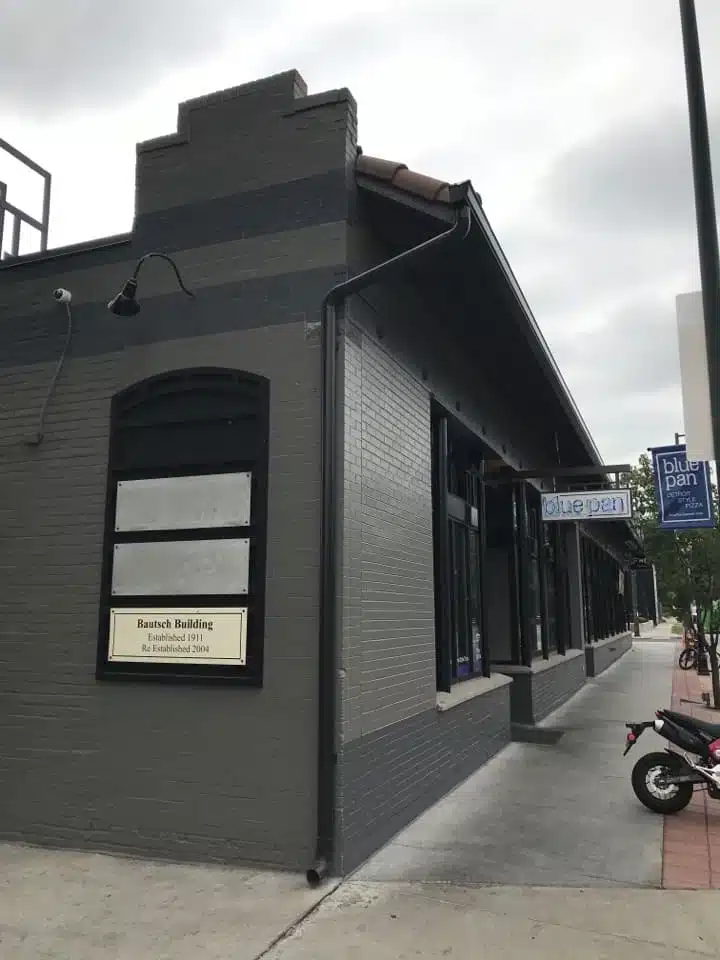
Wood and softer surfaces need a measured approach. We adjust pressure, distance, and method to the material and its condition. Excessive pressure can gouge wood, damage an existing coating, or drive water into vulnerable areas. After washing, the surface may still need scraping, sanding, repairs, or spot priming.
Vinyl, Aluminum, Stucco, and Brick
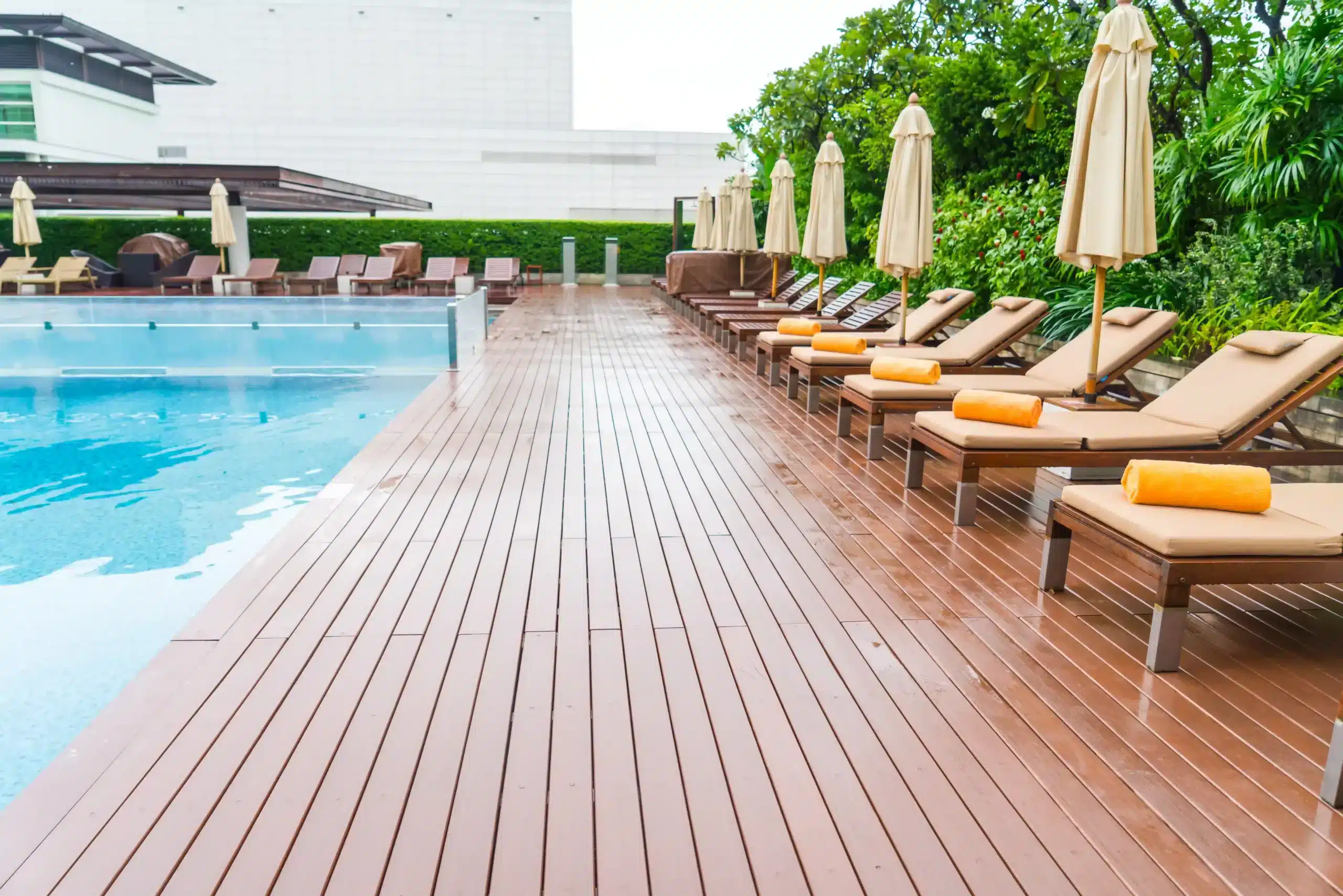
Siding, stucco, brick, and other masonry surfaces respond differently to water and pressure. We choose a method that removes surface buildup without etching, loosening materials, or harming an existing finish. Cracks, failed caulk, mildew, and loose coatings are noted for follow-up before primer or paint.
Concrete and Commercial Exteriors
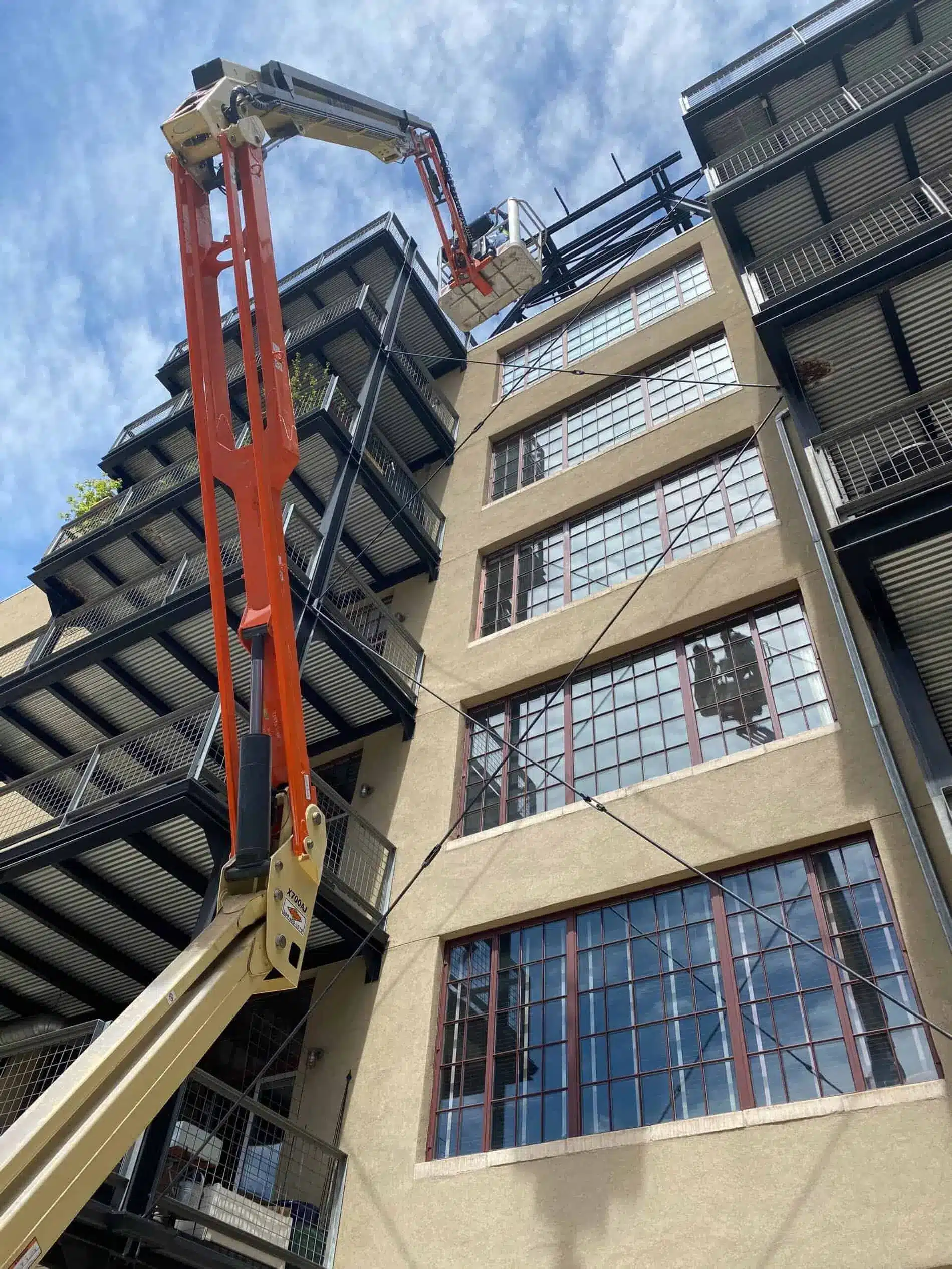
Concrete, garages, and commercial exteriors may have heavier buildup, larger elevations, or areas that need protection. We plan the work around the surface, adjacent materials, fixtures, and property operations, then confirm the cleaned surface is sound and sufficiently dry for the next prep step.
Common Risks and Repairs We May Find
Washing can make hidden conditions easier to see. It may reveal rot or soft wood, cracks, failed caulk, mildew, rust, loose coatings, or other repairs. When that happens, the painting plan may need repair work, scraping, sanding, spot priming, or a schedule adjustment. Washing alone does not solve these conditions.
How Long Does a Surface Need to Dry?
There is no universal drying time after washing. Readiness depends on the material, shade or sun, temperature, humidity, wind, recent rain, and how much water the surface absorbed. The painting team should confirm that the surface is clean, sound, and sufficiently dry before primer or paint.
In Boise and the Treasure Valley, cool nights, storms, seasonal moisture, shaded elevations, dust, and changing temperatures can extend the schedule. We use the condition of the surface and the weather window to determine when the next step is appropriate.
Why Preparation Supports a Durable Finish
Inspection, protection, appropriate cleaning, drying, repairs, scraping, sanding, primer where needed, and paint work together to support adhesion and a more uniform appearance. Good preparation can help reduce premature peeling, but no coating lifespan can be guaranteed without knowing the surface and exposure conditions.
For a broader checklist, review our house exterior preparation guide.
Why Boise Homeowners Trust Boise Commercial & Residential Painting (BCRP)
Boise homeowners trust our services for the following reasons:

Licensed, Insured, and Experienced Team
Each of our technicians is fully licensed and qualified to handle power washing services of any scale. Whether you have a residential or commercial property, our team has extensive experience in all types of power washing projects.

High-Quality Products & Materials
We use commercial-grade power washing equipment suitable for a variety of materials. We also use specialized low-pressure washers to clean delicate surfaces without wearing out the surface.

Long-Lasting Results
We address every little issue and focus on executing the process efficiently to achieve long-lasting results.

Reliable Expertise
We leverage our technical expertise to ensure every job is carried out with reliability.

Locally Owned and Operated
We are Boise-based service providers. Having served the local community for several years, we understand and address the needs of Boise homeowners effectively.
Get a Free Exterior Estimate, Power Washing included in Boise, Idaho
Looking to refresh your home or building’s exterior? Get a free estimate that includes power washing as part of our complete exterior painting process. We’ll assess your property, discuss your goals, and provide a detailed quote that covers all the prep and painting work needed for long-lasting results. Connect with Boise Commercial & Residential Painting for a free consultation.
Frequently Asked Questions
Not always. Washing is often useful when dirt, dust, mildew, chalking, loose material, or weather exposure could interfere with adhesion. The proper method depends on the surface and condition, and washing does not replace repairs, scraping, sanding, or primer.
Drying depends on the material, sun and shade, temperature, humidity, wind, recent rain, and absorbed water. We confirm that the surface is clean, sound, and sufficiently dry before primer or paint rather than promising a fixed number of hours.
Yes, excessive pressure can etch, gouge, drive water into assemblies, or damage existing coatings, especially on softer or deteriorated surfaces. The cleaning method should be adjusted for the material and its condition.
The painting plan may need repairs, scraping, sanding, spot priming, or a schedule adjustment. We address the condition found during inspection instead of treating washing alone as a complete solution.
See What Customers Are Saying














Ready to Get Started?
We can’t wait to hear from you. Contact The Best Boise Painting Contractors today!