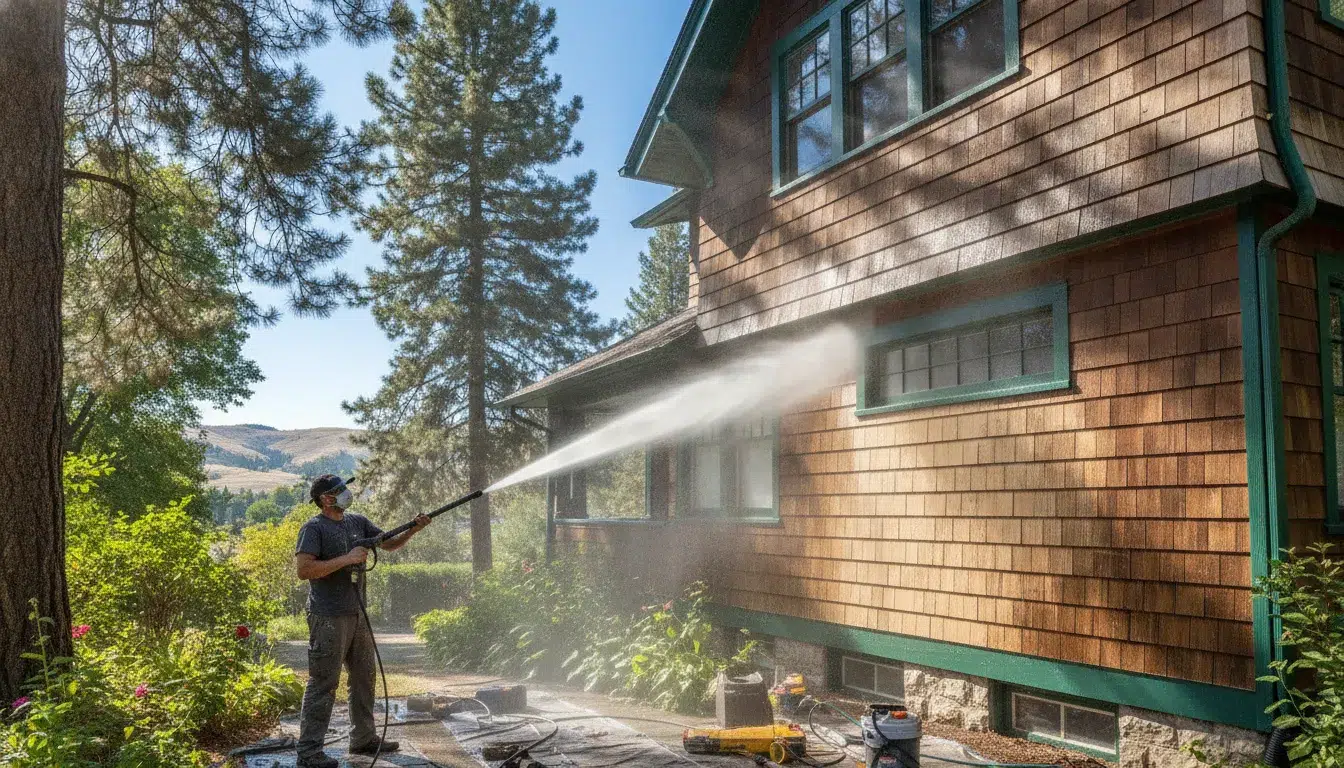
Applying fresh paint over layers of Boise dust and chalky dirt is a sure way to fail. Power washing before painting removes contaminants that weaken adhesion and reveals areas that need repair before the first coat goes on.
Request your free Paint Boise exterior painting quote to get a careful wash, surface-preparation plan, and durable finish for your home.
power washing before painting is a key step that removes dirt and mildew to help the new coat stick. Without this deep clean, paint sticks to dust instead of the siding. This often leads to bubbles and early paint failure. A clean surface helps the paint bond well. This makes the finish on your home last for many years. If you skip this step, you might need to repaint in only three or four years. A well-prepped surface can last up to ten years according to industry standards. This work builds a strong base that can handle the hot sun and dry air in Idaho. By taking time to clean first, you protect your home from moisture and keep your new color looking great.
Many people wonder if they can skip this step to save time. But knowing the technical gains of this process helps you avoid early paint failure. Why power washing before painting matters is about more than just good looks; it protects the long-term health of your home. This essential phase begins with
Why power washing before painting matters
Every great paint job starts with a clean wall. It might be tempting to jump straight to the color. But the prep work is what makes the results last. Expert power washing is the first step in our set process at Paint Boise. It removes the layers of grit that build up on your home over time. Without this step, your new paint may not stick the way it should.
Better bond and sticking
Dirt, dust, and pollen are the enemies of new paint. Over time, these things form a thin film on your siding. If you paint over this film, the paint sticks to the dirt instead of your home. This can lead to peeling and flaking in just a few years. Professional exterior painting services always include a deep clean to ensure a strong bond.
Expert studies show that dirty or wet walls hurt the bond strength between the wall and the paint. According to research from the National Institutes of Health, substrate moisture and surface state directly impact how well a coating holds. This is why we make sure the wall is clean and dry before we start. A clean wall lets the paint grip the surface. This creates a finish that stays put through hot Idaho summers and cold winters.
Removing loose bits and old paint
Power washing does more than just wash away dust. The high-pressure stream of water finds loose paint and old, failing coats that a scraper might miss. It also removes “chalking.” This is a fine powder that forms on old paint as it breaks down. Painting over chalk is a common cause of paint failure. By clearing these layers, we create a smooth and steady base for the new coat.
When you follow proper surface preparation steps, you avoid the risk of trapping loose bits under your new finish. This leads to a much smoother look. You won’t see bumps or flakes under the new paint. Instead, the final result will be even and look expert from every angle.
Extending the life of your paint
Most home owners want their paint to last a long time. A standard paint job might last three or four years if the prep is poor. But a job with the right prep can last seven to ten years. This saves you money and time in the long run. Proper cleaning helps the paint system resist the harsh effects of the sun and rain. It keeps the colors bright and the protective layer safe for much longer.
Moisture control is also a big part of why we wash. We make sure the wall materials stay safe and dry. Extra moisture inside wall structures can lead to mold and damage. The National Institutes of Health notes that condensation inside walls can even reduce the value of your home’s insulation. By starting with a clean surface, we protect the health of your home while making it look its best.
What should be removed before exterior painting?
Your home’s exterior faces a lot of wear from the Boise weather. Before you apply a fresh coat of paint, you must clear the surface of anything that might block the new bond. This prep work is the most vital step for a long-lasting finish. Skipping it can lead to peeling paint in just a few years. When you do it right, your paint job can last for seven to 10 years instead of just three.
Clear away dirt and grime
The first things to remove are the layers of dust, pollen, and mud that build up on your siding. These particles create a thin film that keeps paint from sticking to the actual surface. We often see heavy buildup on the sides of homes that face the wind or garden beds. House painters use professional washing tools to strip away these contaminants. This step leaves the siding clean and ready for a smooth application of premium paint.
Remove biological growth
Idaho’s climate can sometimes lead to mold or mildew growth in shaded areas. You must kill and remove these spores before you paint. If you just paint over them, the mold will keep growing under the new layer. This can lead to material damage and rot inside your walls. A thorough cleaning ensures these pests are gone so your paint stays bright and healthy for years to come.
Strip loose and peeling paint
New paint is only as strong as the layer beneath it. You must remove any old paint that is flaking, bubbling, or peeling. If you don’t, the old paint will pull away from the house and take the new paint with it. This creates an uneven look and leaves your siding open to the elements. Professional teams use scrapers and sanding tools to get back to a solid base. This work ensures the bond strength is high enough to handle our hot summers and cold winters.
How professionals wash a house before painting
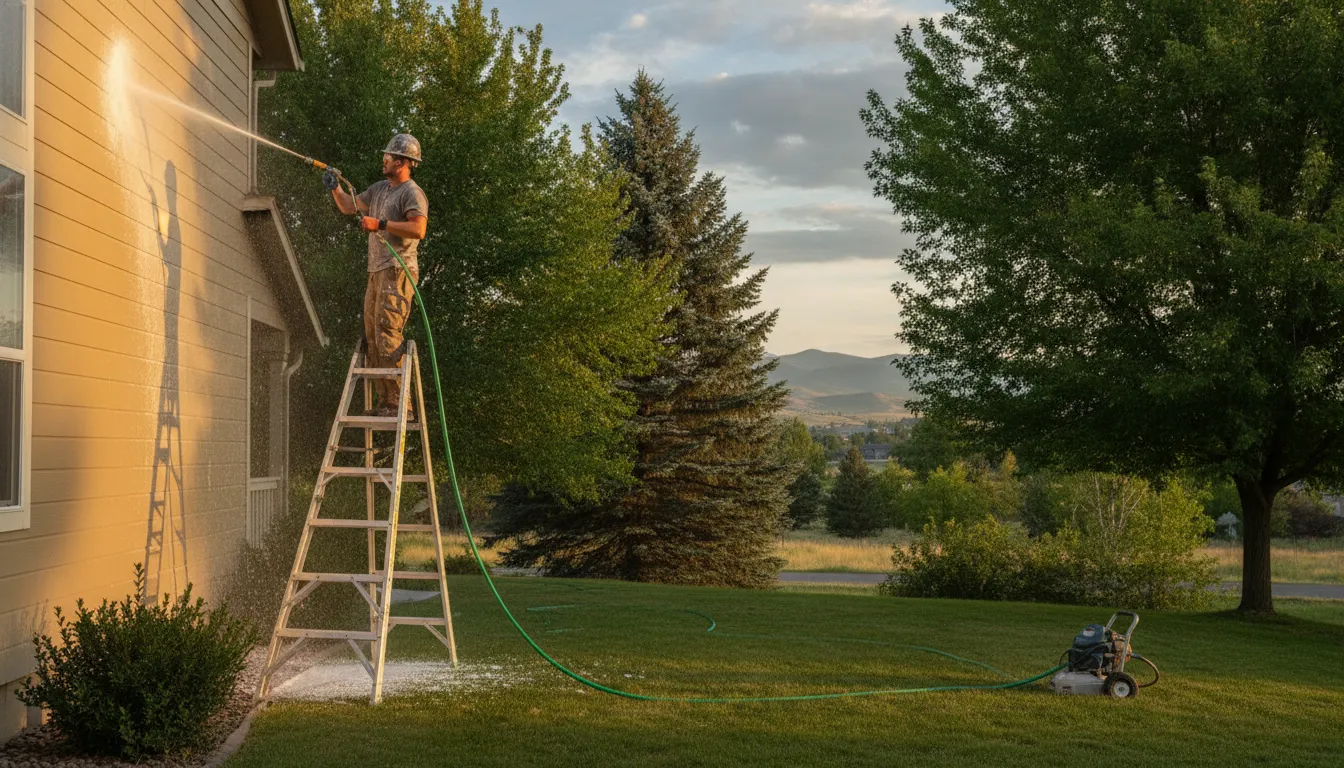
Professional washing is a controlled process: inspect and protect the property, choose the right pressure, clean from top to bottom, rinse thoroughly, and confirm the siding is dry.
Pro painters know that a clean surface is the secret to a long-lasting finish. Power washing before painting removes years of dirt, mold, and loose debris. This step is not just about looks. It is about making sure the new paint sticks well. If you paint over dust, the coating will peel in just a few years. Following proper surface prep steps helps your home look great for a decade or more. Our team at Paint Boise uses this time to find any wood rot. We have over 40 years of work finding these hidden issues in the Treasure Valley.
Setting up the site
Before the water starts to flow, a pro crew protects your home. We cover outdoor lights, plants, and power outlets with plastic and tape. This keeps the cleaning soap and high-pressure water from causing any harm. We also check that all windows and doors are shut tight. If your home has old wood siding, we look for cracks where water might get inside the walls. Too much moisture in outside walls can lead to mold or rot. A careful start ensures the rest of the job goes smoothly.
Safe washing methods
Pro crews do not just blast away with the highest pressure. We use a method called soft washing for many homes. This uses a mix of mild soap and low pressure to kill mold and lift dirt. It is safer for your siding and window seals. When we do use higher pressure, we keep the nozzle at a safe distance. This prevents the water from gouging the wood or knocking off good paint. The goal is to remove the chalky film that sun damage leaves behind. This film stops new paint from forming a strong bond with the surface.
- Inspect the whole house to find spots that need extra care or repair before the wash.
- Cover plants, lights, and outlets to keep them safe from water and soap.
- Apply a cleaning soap to kill mold and break down tough grime.
- Wash the siding from the top down to flush all the dirt toward the ground.
- Rinse each section with clean water until the soap and debris are gone.
- Check the surface for any loose paint that the wash may have found.
- Wait for the wall to dry fully before you start any scraping or priming.
Wait for a dry surface
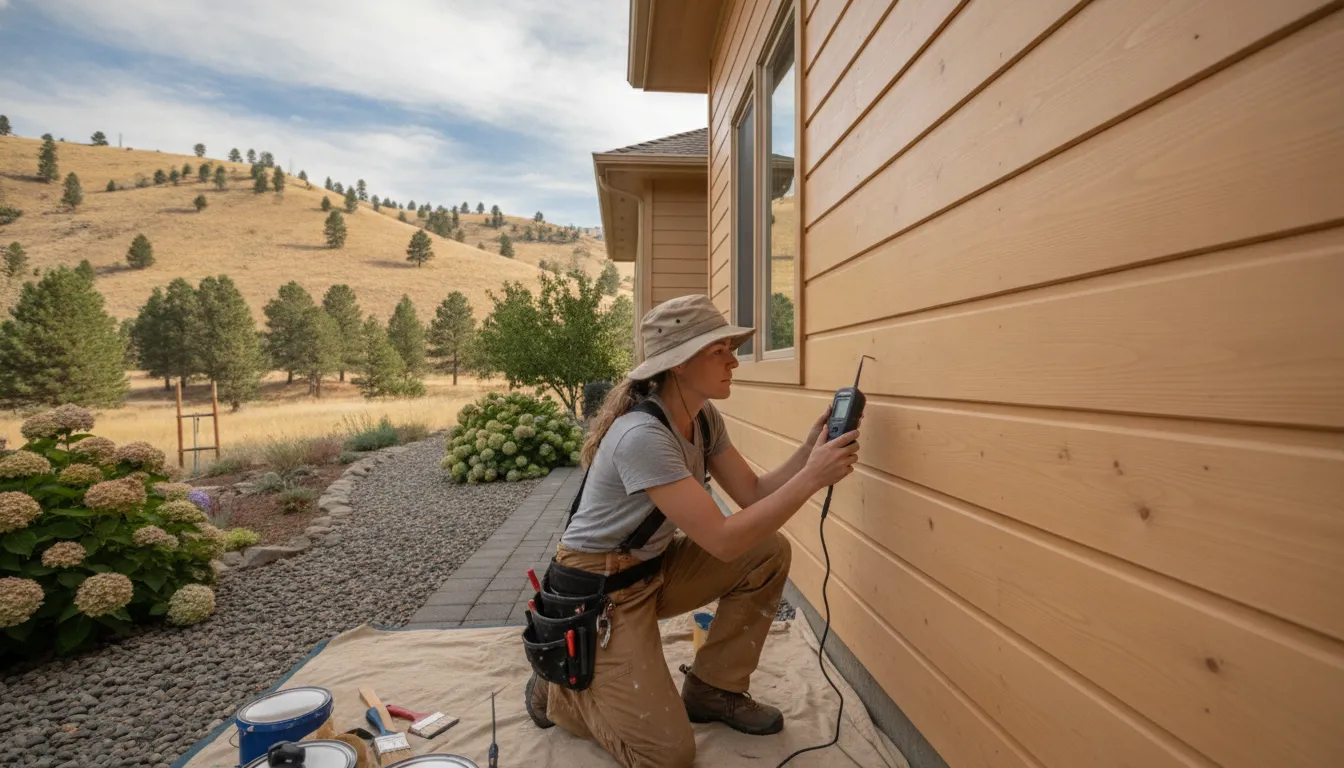
Drying is the most skipped part of house prep. You cannot paint a wet house. Most experts say the moisture level must be below 15 percent before you begin. In a dry area like Boise, this might take only one or two days in the summer. But in cooler spring weather, it could take a full week to dry. Painting over a damp surface is a fast way to see bubbles and cracks. We use moisture meters to check the wood before we open the first can of paint. This care is why our professional exterior painting services come with a five-year warranty. You do not even pay a deposit until you are happy with the work.
Power washing vs. soft washing before painting
Getting your home ready for a new coat of paint starts with a clean surface. Dirt, mold, and old paint flakes can stop the new layer from sticking well. Expert painters use two main ways to clean: power washing and soft washing. Both tools help reach the goal of a long-lasting finish, but they work in new ways.
The power washing method
Power washing uses a high-pressure stream of water to blast away grime. This way is best for hard, tough surfaces like brick or concrete. It is very good at clearing deep dirt and loose paint that is starting to peel. Using the right tools for proper surface preparation steps ensures the job is done right. But high pressure can also be risky. If the water is too strong, it can gouge wood or break seals around windows.
Our team uses power washing with care to make sure the paint bonds well. Clean surfaces lead to better bond strength between the house and the paint. This helps your new look stay fresh for many years in the Boise sun. We always check the parts of your home first to pick the safest pressure level for the job.
Benefits of soft washing
Soft washing is a gentler way to clean your home. It uses low water pressure with a mix of special cleaning soaps. These soaps kill mold, algae, and moss at the root without the need for high force. This makes soft washing the best choice for soft areas like wood siding, stucco, or vinyl. It cleans deeply without the risk of pushing water behind your walls.
Keeping water out of your wall build is vital for your home’s health. Too much moisture inside can lead to condensation in exterior walls, which may cause rot. Soft washing protects these parts while still giving us a perfect surface to paint. This step is a key part of our professional exterior painting services for homes in the Treasure Valley.
Which method is best?
The best choice depends on what your home is made of and its state. If you have thick layers of old paint on a brick wall, power washing might be best. If your siding is older wood or stucco, soft washing is the safer bet. Our experts look at every project to find the best plan for your house. The table below shows the key facts for each way to clean.
| Feature | Power Washing | Soft Washing |
|---|---|---|
| Water Pressure | High (1,500+ PSI) | Low (under 500 PSI) |
| Main Tool | Water force | Cleaning soaps |
| Best Surfaces | Brick, concrete, stone | Wood, stucco, vinyl |
| Risk Level | Higher for soft parts | Low for all parts |
| Cleaning Goal | Clear tough grime | Kill mold and moss |
After washing, the house must dry fully before we start to paint. In a dry place like Idaho, this may take a day or two, but it can take longer in the spring. Painting over a wet wall can cause the paint to fail fast and peel away. We wait until the surface is dry so the paint sticks the way it should. This focus on detail is why we offer a 5-year warranty on our work. We make sure every step, from cleaning to the final brush stroke, is done the right way for our clients.
How long should a house dry after washing?
Most Boise homes need at least 24 to 48 hours to dry after washing, but wood, shade, cool weather, and humidity can extend that window.
A fresh coat of paint needs a dry surface to stick well. When you use power washing before painting, you force water into cracks and pores in your siding. If you paint too soon, that moisture gets trapped. This can lead to bubbles, peeling, or even rot. Most pros recommend waiting at least 24 to 48 hours. But the real answer depends on your local weather and the material of your home.
Factors that affect dry times
Weather is the biggest factor in how fast your house dries. On a hot, sunny day in Boise, moisture leaves the surface quickly. However, in the spring or on cloudy days, it might take much longer. Some homes in damp or shaded areas may need up to a week to dry fully after a deep wash. If the air is humid, the water has nowhere to go. This slows down your proper surface preparation steps.
The material of your siding also matters. Wood is like a sponge and soaks up water deeply. It often needs more time than vinyl or metal siding. For the best results, the surface should have a moisture level of no more than 15% before you start your professional exterior painting services. Using a moisture meter is the only way to be sure the walls are ready for a new finish.
Signs your house is ready to paint
You cannot always tell if a wall is dry just by looking at it. Even if the surface feels dry, the wood underneath could still be wet. If you apply paint over wet wood, the bond will be weak. High moisture levels in the substrate can hurt the bond strength between the surface and the coating. This is why we check deep into the material before we start any job.
Shadows and corners are often the last spots to dry. Check these areas carefully for any dark spots or dampness. If you see any signs of wetness, wait another day. It is better to wait a little longer than to deal with paint failure later. Trapped water can also lead to mold growth and material damage inside your walls. Taking the time to let your house dry protects your home and your new paint job.
Get a detailed exterior painting quote if you want Paint Boise to handle the washing, drying checks, repairs, priming, and finish coats as one coordinated process.
What preparation comes after washing?
Washing your home is a great first step, but it is not enough on its own. While house painters use water to clear away dirt, the surface needs more work before the new coat goes on. Expert prep ensures the paint sticks well and lasts for years. If you skip the steps that follow power washing before painting, the finish may peel or flake much sooner than it should.
Scraping and sanding loose debris
Once the walls are dry, our team looks for loose or peeling paint. Even a deep clean can leave behind chips that are ready to fall off. We use sharp scrapers to remove these bits and reach a solid base. This step is vital because new paint cannot hold onto old, flaking layers. If the base is weak, the top coat will fail no matter the paint quality.
After scraping, we sand the edges of the remaining paint. This process, known as feathering, creates a smooth move between the bare wood and the old paint. It prevents “craters” from showing through the final finish. Sanding also scuffs the surface, which helps the new layer grip better. Proper surface grit is key to strong bond strength between the wall and the coating.
Fixing and sealing the surface
Next, we check for damage that washing might have found. We look for rotted wood, cracked siding, or holes that need repair. Small gaps get filled with wood filler or epoxy. For larger issues, we may need to replace entire boards to keep the structure sound. Fixing these problems now prevents moisture from getting trapped behind your new paint later.
Caulking is another major part of this stage. We apply fresh caulk around window frames, door trim, and where different materials meet. This seals out water and air, which helps protect your home from mold and rot. Keeping moisture out of wall units is vital, as condensation inside walls can ruin lining and cause deep damage. Good sealant acts as a shield for your house.
Masking and spot priming
Before we open the paint cans, we protect the areas that should stay clean. We use tape, plastic, and drop cloths to cover windows, light fixtures, and plants. Masking takes time, but it ensures a neat, expert look with no stray drips. It also keeps your yard safe from any overspray during the job.
The final prep step is spot priming. Any bare wood or repaired spots need a base coat of primer. Primer seals the surface and gives the paint an even base to stick to. Without it, these areas might look dull or absorb more paint than the rest of the wall. Once the primer is dry and the masking is set, your home is finally ready for its first full coat of top-grade paint.
Common power washing mistakes to avoid
Many homeowners try to handle power washing as a DIY project. While it seems simple, small errors can lead to big repair bills. Using too much pressure is the most common fault. High pressure can etch wood, strip away mortar, or break window seals. Keeping a safe distance is key. You should stay 18 inches to 6 feet away from the surface depending on your machine’s power, according to The Spruce.
Water damage and siding issues
Forcing water behind siding is a serious risk when you use a power washer at the wrong angle. Water trapped in your walls can cause wood rot and ruin your insulation. It also creates a damp environment where mold and mildew thrive. Excess moisture inside wall assemblies can lead to material damage and lower your home’s R-value, as noted by the National Institutes of Health. Professional exterior painting services avoid these traps by using the right tools and techniques.
Painting over wet surfaces
One of the worst errors is painting too soon after washing. Many people think a surface is dry just because it looks dry. However, moisture often hides deep in the material. Applying paint to a wet surface stops it from sticking well and leads to early failure. For the best results, a surface should have a moisture level of no more than 15 percent before you start proper surface preparation steps. Drying can take anywhere from a day to a full week based on your local weather.
Skipping safety and protection
People often forget to protect their property and themselves. Strong water streams can shred plants and damage outdoor lights or outlets. You should always cover your bushes and tape off your vents before you start. It is also vital to remember that washing is only one part of the job. Treating power washing as the only prep step is a mistake. You still need to scrape off loose paint and sand rough spots to ensure the new coat lasts for years.
Frequently Asked Questions
How long does a house need to dry after power washing before painting?
Most Boise homes need 24 to 48 hours to dry. The exact time depends on your siding type and the weather. According to Onit Painting, a house can dry in just a day or two in sunny weather. In the spring, it may take up to a week for moisture to leave the surface. We check every wall with a moisture meter to ensure it is ready for paint.
Can I use a garden hose to prep my house for painting?
A garden hose does not have the power to prep a house for paint. It can rinse away loose dust, but it will not remove the tough film of pollen, grit, and chalking that builds up over time. High-pressure washing is needed to strip away loose paint and create a steady base. Proper cleaning ensures a better grip and can help your paint job last for seven to 10 years.
Will power washing damage my home’s siding or windows?
Power washing is safe when done by experts who use the right pressure. However, using too much force can gouge wood or break window seals. According to The Spruce, you must keep the wand at a safe distance of 18 inches to six feet from the wall. At Paint Boise, we know how to protect your home while getting it clean enough for a fresh coat of paint.
Is it worth power washing if my house doesn’t look dirty?
Yes, it is always worth it. Even if your home looks clean, it likely has a thin layer of dust, pollen, and mildew. These tiny bits stop the paint from sticking to the siding. If you skip this step, the new coat will stick to the dirt instead of your home. This leads to early peeling and flaking. Proper washing ensures a strong bond and helps your new professional exterior painting services last for many years.
Ready to request your Boise exterior painting quote?
You risk wood rot and high repair costs if you wait too long to paint your house. Dirt and dust build up on your siding every day and can stop your new paint from sticking well to the wall. Starting now ensures your house is ready and dry before the next big storm hits the Boise and Treasure Valley area. Our team of house painters will help you get a clean finish to keep your home safe for a long time.
Ready to see the change that expert prep makes for your home? Visit our site right now to request an exterior painting quote and lock in your spot on our busy team schedule for this coming year.