When you decide to paint house exterior walls in Boise, you’re up against more than just a big project. You’re battling our wild four-season climate. The intense sun and freezing moisture can destroy a cheap paint job in a single year. So, when you’re figuring out costs, remember that durability is key in the Treasure Valley. This guide breaks down the real factors that influence price, from meticulous prep work to high-quality, weather-resistant paints. We’ll give you the knowledge to choose a finish that not only looks beautiful but truly lasts.
Key Takeaways
- Look beyond the square footage: Your home’s final painting cost is determined more by its condition than its size. Factors like necessary prep work, architectural details, and the quality of paint you choose have the biggest impact on the price.
- Insist on a detailed quote: A trustworthy estimate breaks down labor and material costs, showing you exactly what you are paying for. This transparency is key to comparing bids accurately and avoiding surprise charges for essential work like repairs or extensive prep.
- Weigh the true cost of DIY: Before tackling the job yourself, consider the hidden costs of renting equipment, buying supplies, and the value of your time. Hiring a professional is an investment in safety, quality, and a long-lasting finish backed by a guarantee.
What’s the Real Cost to Paint a House Exterior?
Figuring out the budget for an exterior paint job is one of the first, and biggest, questions homeowners have. While every project is unique, understanding how painters calculate their pricing can help you get a clearer picture of the potential investment. The final cost depends on several factors, but it generally breaks down into a price per square foot and the overall size and complexity of your home. Knowing these basics will help you feel more prepared when you start collecting quotes.
What to Expect Per Square Foot
When you start researching costs, you’ll often see prices listed per square foot. This is a standard way to estimate painting jobs across the country. Generally, you can expect a range between $2.20 and $4.37 per square foot for a professional paint job. This isn’t a fixed number, though; it’s a starting point that changes based on your home’s specific needs. For example, a simple repaint on a smooth, clean surface will fall on the lower end of that scale. However, if your home requires significant prep work like scraping old paint or making repairs, the cost will be higher. A truly expert exterior painting job that ensures a long-lasting finish involves meticulous preparation, which is reflected in the price.
Cost Estimates for Different Home Sizes
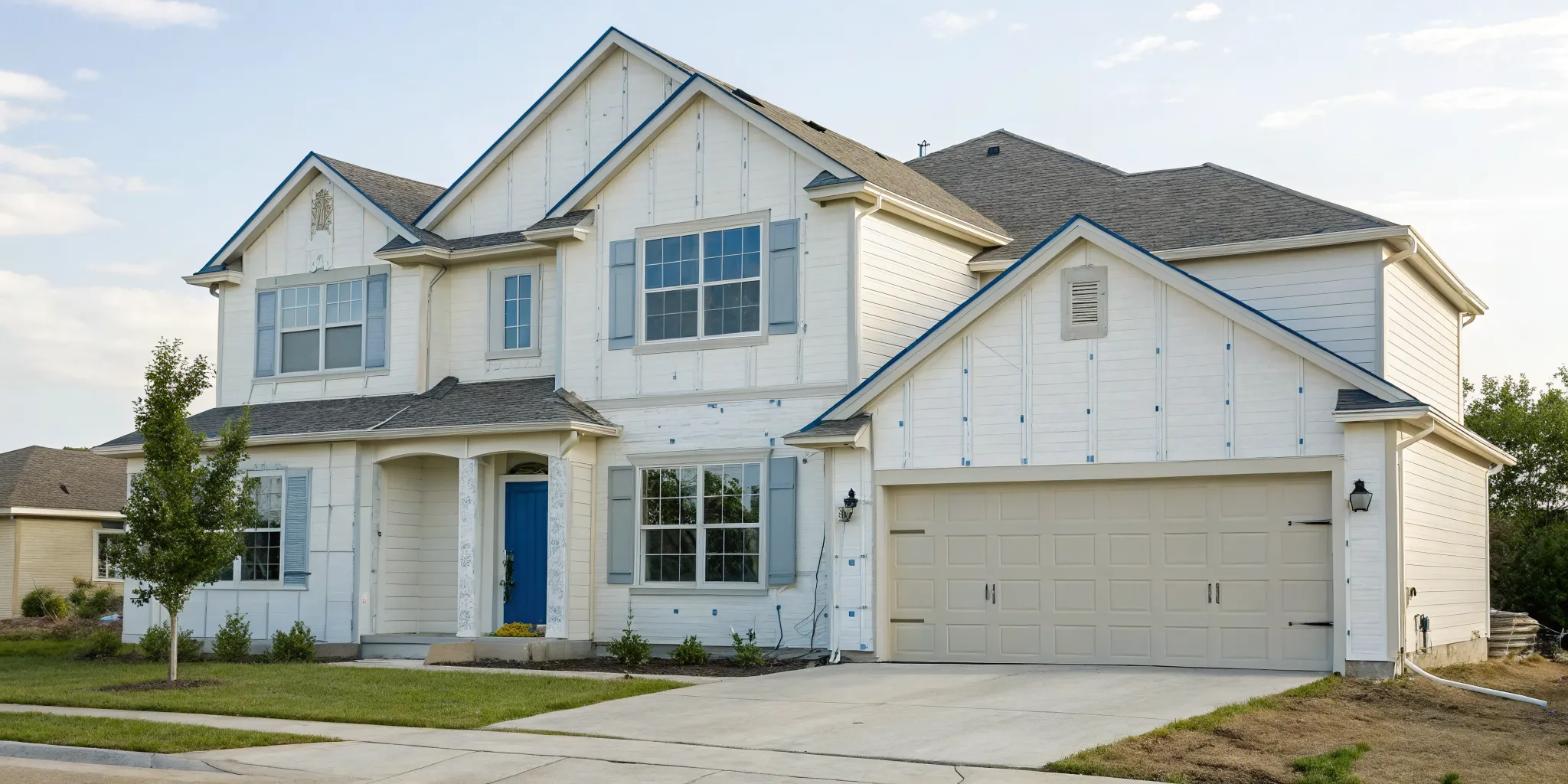
The size of your house is the other major piece of the pricing puzzle. A larger home naturally has more surface area to cover, which means the project will require more paint and more hours of labor. A 1,500-square-foot single-story ranch is going to cost significantly less to paint than a 3,000-square-foot two-story home with dormers and detailed trim. It’s not just about the square footage of the walls, either. Professional house painters also factor in the time and equipment needed to safely reach higher areas and carefully work around architectural details. Getting an accurate estimate involves measuring all paintable surfaces, which is why a professional on-site consultation is the best way to determine your final cost.
What Factors Into Your Final Painting Quote?
While a price per square foot can give you a ballpark idea, the final cost of painting your home’s exterior depends on much more than just its size. Several factors come into play, from the prep work required to the specific paint you select. Understanding these variables will help you see exactly what goes into a professional quote and why a one-size-fits-all price doesn’t really exist. A detailed estimate reflects the unique needs of your property and ensures a beautiful, long-lasting result.
Let’s look at the key elements that shape the total investment in your home’s new look.
Does Your Home Need Extra Prep Work?
The amount of prep work needed is one of the biggest factors in your final cost. A house with peeling paint, cracked siding, or mildew will require significant time for scraping, sanding, cleaning, and repairs before a single drop of new paint is applied. This step is non-negotiable for a quality finish, as paint needs a clean, smooth surface to adhere properly. A job with minimal prep will naturally cost less than one that requires extensive restoration. Our approach to expert exterior painting always includes meticulous preparation because we know it’s the foundation of a job that lasts.
Scraping, Sanding, and Minor Repairs
Think of prep work as the foundation of your paint job. If your home has issues like peeling paint, cracked siding, or mildew, these problems must be addressed first. This involves a meticulous process of scraping away old, failing paint, sanding surfaces smooth, and making any necessary minor repairs. Paint needs a clean, stable surface to bond correctly; otherwise, it will start to peel and chip in no time. While this intensive labor adds to the overall cost, it’s a non-negotiable step for a lasting finish. Professional house painters understand that skipping this stage is a recipe for failure, which is why a thorough assessment of your home’s condition is always part of a reliable quote.
Allowing for Proper Drying Time
Once the final coat of paint is on, the job isn’t quite finished. The paint needs time to cure properly to form a hard, protective shell. In general, exterior paint requires at least 24 hours of dry weather to fully set before it can handle rain. Here in Boise, where a sunny afternoon can quickly turn into a surprise shower, managing the project schedule is key. A professional crew will carefully watch the forecast and plan their painting days to ensure your new finish has the uninterrupted drying time it needs. This foresight prevents a beautiful new paint job from washing away and protects your investment, which is a core part of our service guarantee.
How Paint Quality and Type Affect the Price
Not all paints are created equal, and your choice will directly impact the price. While it can be tempting to opt for a less expensive paint, high-quality formulas offer superior durability, better color retention, and stronger protection against Boise’s four-season climate. This often means you can go longer between paintings, saving you money in the long run. The finish you select, such as matte, satin, or semi-gloss, also plays a role in the cost. We are committed to using top-tier materials because we believe a professional job deserves a product that performs just as well.
How Long Should an Exterior Paint Job Last?
When you invest in painting your home, you want it to last. In a climate like Boise’s, with its hot, dry summers and cold, wet winters, the lifespan of your paint is put to the test. Generally, a professional exterior paint job should last between 7 to 10 years. But achieving that longevity isn’t a given—it’s the direct result of quality craftsmanship. A paint job that skips crucial steps might look fine at first, but it won’t hold up to our four-season weather. The key to a durable finish lies in meticulous preparation and choosing materials designed to withstand the elements.
A long-lasting paint job starts long before the first coat is applied. Thorough prep work—including scraping, sanding, and cleaning—creates a perfect canvas for the paint to adhere to. Using a quality primer is also essential, as it seals the surface and prevents stains from bleeding through. For the paint itself, a high-quality 100% acrylic latex formula is best, as it breathes and flexes with temperature changes, resisting cracks and fading. Investing in a process that prioritizes these steps is how you get a beautiful finish that protects your home for years, which is a core part of our service guarantee.
Factoring in Boise’s Local Labor Costs
A large portion of your painting quote covers the cost of professional labor. You aren’t just paying for time; you’re investing in the skill, safety, and efficiency of an experienced crew. Professional painters have the training to execute clean lines, properly prepare surfaces, and apply paint evenly for a flawless finish. This expertise is what separates a DIY-looking job from a truly polished one. Our team’s craftsmanship is something we’re incredibly proud of, and it’s what our clients consistently praise in their reviews. When you hire us, you’re paying for peace of mind and a job done right the first time.
Does Your Home’s Height or Style Change the Cost?
The complexity of your home’s architecture also influences the cost. A simple, one-story home is more straightforward to paint than a three-story house with gables, dormers, and intricate trim. Features like decorative woodwork, multiple accent colors, or hard-to-reach areas require more time, precision, and specialized equipment like taller ladders or scaffolding. These details add to the labor hours needed to complete the job to a high standard. Our team of house painters has the experience to tackle any architectural style, ensuring every corner and piece of trim looks perfect.
Why the Time of Year Matters for Painting
Believe it or not, the season you choose to paint can affect scheduling and timing. The prime exterior painting season in Boise is during the dry, mild months of late spring, summer, and early fall. This is when demand is highest. Painting in the shoulder seasons can be a great option, as the weather is often still cooperative. For instance, October can have many warm, dry days, and the wind that often follows a rain shower helps surfaces dry quickly. Planning your project ahead of time is always a good idea, and we offer flexible financing options to help you get the job done when the time is right for you.
Ideal Weather Conditions for Painting
The right season is all about finding the perfect window of weather. It’s not just about dodging rain; temperature, humidity, and even direct sunlight have a major impact on your paint’s final look and longevity. For the best results, paint needs to be applied when the temperature is consistently between 50°F and 90°F. If it’s too cold, the paint struggles to cure properly, and if it’s too hot or in direct sun, it can dry too quickly, causing brush marks and poor adhesion. This is why we meticulously plan our projects around the forecast, targeting those mild, dry days common in Boise’s late spring, summer, and early fall. This careful scheduling is essential for achieving a durable, professional finish that truly protects your home.
Are There Hidden Costs When You Paint a House Exterior?
No one likes financial surprises, especially during a home improvement project. While the term “hidden costs” can sound alarming, they are usually just necessary expenses that weren’t obvious during an initial walkthrough. A vague, suspiciously low quote might not account for this work, leading to unexpected charges later. A trustworthy painter, on the other hand, provides a detailed estimate that anticipates as much as possible and explains what variables could affect the final price.
Our goal is to be completely transparent from the start. We believe that clear communication is the foundation of a great project, which is why we stand by our service guarantee. We’ll walk you through every line item and discuss potential issues we see before we even pick up a brush. Should an unexpected repair be necessary, we’ll discuss it with you immediately and provide clear pricing. We even offer financing options to help you manage your budget without compromising on quality. The most common additional costs fall into three categories: essential prep work, necessary repairs, and special handling requirements.
Budgeting for Prep: Washing, Caulking, and Primer
Think of it this way: you wouldn’t wax a dirty car. The same principle applies to your house. For new paint to stick and last, it needs a perfectly clean and stable surface. This preparation phase is the most critical part of any expert exterior painting project. It often includes power washing to remove dirt, mildew, and loose paint; scraping any remaining peeling spots; and applying fresh caulk to seal gaps around windows and doors. Finally, a quality primer ensures the paint adheres properly and has a uniform finish. The amount of prep work required directly impacts the cost, as a home with significant peeling or grime will demand more labor and materials than one in good condition.
The Importance of Primer
If there’s one step you absolutely cannot skip, it’s priming. I know it can feel like an extra, invisible layer, but primer is the secret to a paint job that looks great for years. It acts as a bridge between the surface of your house and the new paint. Primer seals porous materials like bare wood, preventing the topcoat from soaking in unevenly. It also blocks stains—think rust spots or wood tannins—from bleeding through and ruining your beautiful new color. Most importantly, it gives the paint something to grab onto, ensuring a strong bond that won’t peel or chip when the first Boise winter hits. A truly expert exterior painting job is built on this foundation.
When to Spot-Prime vs. Full-Prime
So, does your whole house need to be primed? Not always. The decision comes down to the current condition of your exterior. We often spot-prime, which means we only apply primer to specific, targeted areas. This is the right move for covering small repairs, any spots of bare wood after scraping, or areas with rust. However, if you’re planning a dramatic color change, like going from a dark color to a light one, a full prime is essential for true color coverage. A full prime is also the best approach for older homes with chalky, powdery paint, as it creates a solid, uniform base for the new paint to adhere to. Our professional house painters will assess your home’s specific needs to determine the right strategy.
Will You Need Repairs Before Painting?
Sometimes, what lies beneath old paint isn’t pretty. As we begin prepping the surface, we might uncover issues like wood rot in the trim, cracked siding, or other structural damage. Simply painting over these problems is like putting a bandage on a broken bone. It hides the issue for a little while but ultimately allows the damage to worsen, leading to more expensive repairs down the road. When we find issues like these, we stop and immediately bring them to your attention. We can often handle these repairs for you, but this work is quoted separately from the painting itself. This ensures you know exactly what you’re paying for and can make an informed decision about how to proceed.
Do You Need Permits or Lead Paint Removal?
Certain situations require special attention and can add to the project’s cost. The most common example is the presence of lead-based paint, which is often found in homes built before 1978. Federal law requires specific safety protocols for handling and removing lead paint to protect you, your family, and our team. This involves containment, specialized equipment, and proper disposal, which adds to the labor and material costs. Additionally, some large-scale projects or work in designated historic districts may require a permit from the city. A professional painting company will know how to identify these needs and manage the process correctly, ensuring your project is not only beautiful but also safe and compliant.
How to Calculate Your Home’s Paintable Area
Figuring out the paintable area of your home is the first step in understanding the scope of your project. It’s a bit more involved than just knowing your home’s total square footage, since we’re focused on the exterior walls and features that will actually get a coat of paint. Think of it as creating a map of your home’s surfaces. This calculation helps you talk specifics with painters and get a clearer picture of what your project entails. Don’t worry, you don’t need to be a math whiz. A tape measure and a little patience are all you need to get a solid estimate.
Measuring Your Walls (Don’t Forget Windows!)
Start by measuring the perimeter of your house. Then, measure the height of your walls from the foundation to the roofline. To get the total wall area, you’ll multiply the perimeter by the height. For example, if your home’s perimeter is 180 feet and the walls are 10 feet high, your total wall area is 1,800 square feet. Next, measure the height and width of each window and door, calculate their individual square footage, and add those numbers together. Subtract this total from your wall area to find your paintable surface. This simple step is crucial for an accurate estimate of your expert exterior painting project.
Don’t Forget to Measure Trim, Soffits, and Fascia
Beyond the main walls, your home has other features that need attention, like trim, soffits (the underside of your roof’s overhang), and fascia (the board that runs along the roof’s edge). While they might seem small, these details add up and require a different level of precision to paint well. They increase the total surface area and the time needed for a thorough job, especially if they have intricate designs. When we provide a quote, we carefully account for these elements because we know that a truly professional finish is all in the details. Our team is trained to handle these complexities with care.
How Many Coats of Paint Will You Need?
Calculating your paintable area gives you the square footage for one coat of paint. However, for a durable and vibrant finish that stands up to Boise’s seasons, you’ll almost always need at least two coats. This is especially true if you’re making a significant color change or if the existing surface is porous. Applying multiple coats ensures even coverage, true color, and a protective barrier against moisture and sun damage. When you get a quote, it should always specify the number of coats included. We stand by our work, and our service guarantee is built on using the right techniques, which includes applying the proper number of coats for a lasting result.
Calculating How Much Paint to Buy
Once you have your total paintable square footage, you can get a good idea of how much paint your project will require. As a general rule, one gallon of paint covers between 250 and 400 square feet. However, this can change depending on the texture of your home’s siding—rough surfaces like stucco will soak up more paint than smooth wood. Since you’ll need at least two coats for a lasting finish, remember to double your total square footage before dividing by the paint’s coverage rate. For a quick estimate, you can use an online paint calculator to help with the math. Of course, when you work with a professional, we handle all these calculations for you, ensuring not a drop is wasted.
What Are You Paying For? Labor vs. Materials
When you get a quote for exterior painting, you’re looking at two main components: the cost of materials like paint and primer, and the cost of the labor to get the job done right. It’s easy to focus on the price of a gallon of paint, but professional labor is often the biggest and most valuable part of your investment. A detailed quote should clearly separate these costs, giving you a transparent look at where your money is going. This breakdown is your best tool for comparing different bids because it helps you see if you’re truly comparing apples to apples.
For example, one company might use premium paint but budget less time for prep, while another might do the opposite. Understanding the split between labor and materials helps you ask the right questions and identify where the real value lies. Generally, you can expect labor to make up the majority of the total cost, often around 70-80%. If you see a quote where materials are the bulk of the price, it might be a red flag that the company is skimping on the crucial prep work that makes a paint job last. Let’s break down what you’re really paying for.
What Goes Into Professional Labor Costs?
Professional labor is much more than just applying paint to your walls. In fact, the most time-consuming part of any paint job is the prep work. This includes thoroughly cleaning surfaces, scraping old and failing paint, sanding for a smooth finish, and making minor repairs. As one painter noted, a job with little prep will cost less than one that requires a lot of repairs. This meticulous preparation is what creates a flawless final product and prevents peeling or chipping down the road. Our approach to expert exterior painting focuses heavily on this prep stage, because we know it’s the foundation of a long-lasting finish.
Application Techniques: Spraying, Rolling, and Brushing
The labor cost also covers the expertise to choose and execute the right application method. While spraying is often the fastest way to cover large areas like siding, it requires skill to achieve a uniform coat without drips or overspray. Professionals know to work from the top down and overlap each pass by 50% for a flawless finish. Brushing and rolling, on the other hand, are essential for detailed work on trim, doors, and textured surfaces where a sprayer would be impractical. Part of what you pay for in professional labor is the knowledge to use the right tool for the job, ensuring every surface of your home gets the best possible treatment for a durable and beautiful result.
Finishing Touches and Cleanup
The job isn’t over once the final coat is dry. The labor costs you see on a quote also cover the critical finishing touches and a thorough cleanup. This includes carefully removing painter’s tape at the right time to create crisp, clean lines, as well as a final walkthrough to inspect the work and make any necessary touch-ups. A professional crew also handles the complete cleanup, from properly cleaning all tools and equipment to packing up and removing all job-related debris. This commitment to leaving your property pristine is a hallmark of a true professional service and a key part of our service guarantee, ensuring the only thing you have to do is enjoy your home’s fresh new look.
How to Choose the Right Paint for Idaho’s Climate
The type of paint you choose directly impacts both the upfront cost and the long-term durability of your home’s exterior. Here in Boise, our homes face hot, sunny summers and cold, wet winters, a combination that can be tough on paint. While it might be tempting to save money with a cheaper option, high-quality paint is formulated with better resins and pigments that resist fading, cracking, and peeling. Investing in a premium paint means you won’t have to repaint as often, saving you money over time. We stand behind the quality of our work and materials with our service guarantee, ensuring your home looks great for years.
Choosing the Right Paint Type and Sheen
The finish you choose, also known as the sheen, affects both the look and the durability of your paint job. A matte finish has a flat, non-reflective look that’s great at hiding minor surface imperfections, but it’s less resistant to scuffs and moisture. On the other end of the spectrum, semi-gloss is highly durable and easy to clean, making it perfect for trim, doors, and windows. Most homeowners land somewhere in the middle with a satin or eggshell finish for their siding, as it offers a nice balance of durability with a subtle sheen. For a project to withstand Boise’s weather, selecting the right sheen is a key part of an expert exterior painting job, as higher-quality formulas provide better protection and color retention, saving you money in the long run.
Using Color Visualizers and HOA Palettes
Choosing a color can feel like the biggest decision of the whole project, but you don’t have to do it alone. Many paint manufacturers offer online color visualizer tools that let you upload a photo of your house and digitally “paint” it with different colors. This is a fantastic way to test out ideas before committing. If you live in a neighborhood with a Homeowners Association (HOA), your choices might be guided by a pre-approved color palette. Be sure to check your HOA’s guidelines or color archive first to find approved options and avoid any issues. Of course, you can also get personal help. An experienced painting team can offer a color consultation, helping you find a shade that fits your style, your home, and your budget. Working with a professional team means you get guidance every step of the way.
How to Get a Clear and Accurate Quote
To feel confident in your investment, always get a detailed, written quote before work begins. A trustworthy quote won’t just give you a single number; it will break down the costs for labor, materials, and specific prep tasks like power washing or caulking. This transparency helps you understand exactly what you’re paying for and avoids surprise charges later. Be cautious of quotes that seem unusually low, as they may signal cut corners or low-quality materials. We believe in clear communication from the start and even offer financing options to help make your project fit comfortably within your budget.
How to Prep Your Home for Professional Painters
Once you’ve scheduled your painting project, you might wonder what you need to do before the crew arrives. While our team handles the heavy lifting of professional preparation, a few simple steps on your end can make a huge difference. Taking a little time to prep your space helps us work more efficiently, protects your belongings, and ensures we can get straight to delivering the beautiful results you’re looking for. Think of it as rolling out the welcome mat for your home’s transformation. These small actions help the entire project run smoothly from start to finish.
Clearing Your Landscaping and Outdoor Fixtures
To give our painters the best access to your home’s exterior, it’s helpful to create a clear path around the perimeter. Start by moving any outdoor furniture, grills, potted plants, toys, and garden hoses at least 10 to 15 feet away from the house. This not only protects your items from paint splatters but also gives our team a safe and open workspace. If you have bushes, vines, or tree limbs touching the walls, trimming them back a foot or two is also incredibly helpful. This simple step ensures we can apply an even coat everywhere for a flawless expert exterior painting job without disturbing your beautiful landscaping.
Protecting Plants, Fixtures, and Windows
Once the area is clear, our team takes it from there, meticulously protecting everything that isn’t getting a fresh coat of paint. We carefully cover delicate plants and landscaping with drop cloths to shield them from drips. We also use painter’s tape and plastic to mask off windows, light fixtures, and door hardware, ensuring clean, crisp lines. This careful protection is a key part of any professional expert exterior painting project. We always work from the top of the house down, which allows us to paint over any splatters as we go. Once the job is done, we carefully remove the tape while the paint is still slightly soft to prevent any peeling and guarantee a flawless finish.
Small Repairs You Can Tackle Before We Arrive
If you’re comfortable with a little DIY, handling a few minor repairs can help streamline the prep process. Things like filling small nail holes with wood putty, lightly sanding a minor rough spot, or tightening a loose piece of siding are great tasks to tackle beforehand. Of course, our professional prep work is thorough and a key part of our process. We handle all the major tasks like scraping, caulking, and priming to ensure a durable, long-lasting finish. Taking care of these tiny fixes yourself is completely optional, but it can sometimes help move the project along even faster. We take pride in our comprehensive work, which is why every project is backed by our service guarantee.
Avoid These Costly Home Prep Mistakes
We want your painting project to be as straightforward and affordable as possible, and avoiding a few common prep mistakes can prevent unexpected costs. One of the biggest issues is a dirty surface. While our process includes a thorough cleaning, excessive dirt, cobwebs, or mildew can sometimes require extra time and labor to remove before painting can begin. Another area to watch is communication. It’s always a good idea to point out any specific concerns, like a fragile light fixture or a particularly delicate rose bush you want protected. Clear communication is central to how we work, and our team is always ready to listen to your needs to ensure the final result is exactly what you envisioned.
Should You DIY Your Exterior Painting?
I get the appeal of a good DIY project. It feels empowering to tackle a big home improvement task yourself, and painting the exterior of your house can seem straightforward enough. A few gallons of paint, a sunny weekend, and you’re good to go, right? Before you head to the hardware store, it’s worth taking a moment to think through what a DIY exterior paint job really involves. It’s often a much bigger undertaking than people expect, with costs and challenges that aren’t always obvious from the start. Let’s break down the real cost, the risks, and why calling in a professional might be the best decision for your home and your sanity.
What’s the True Cost of a DIY Paint Job?
The sticker price of a few paint cans is just the tip of the iceberg. A true DIY budget includes paint, primer, high-quality brushes, rollers, and painter’s tape. You’ll also need drop cloths, caulk, and cleaning supplies. Do you own a pressure washer or a paint sprayer? If not, you’ll have to rent or buy them. Don’t forget about safety equipment, especially ladders or scaffolding tall enough to safely reach your home’s highest points. These costs add up fast. When you factor in the value of your own time (and we’re talking multiple weekends, not just one), the savings from a DIY job can start to shrink pretty quickly.
Budgeting for Equipment Rentals like Scaffolding
Unless you live in a single-story ranch, a simple stepladder probably won’t be enough to get the job done safely. For multi-story homes or those with tricky architectural features, you’ll likely need to rent tall extension ladders or even scaffolding to reach high gables and eaves. These rental costs, which can be charged by the day or week, are a significant expense that many DIYers overlook. When you add in other necessary rentals like a pressure washer or a paint sprayer, the “savings” from doing it yourself can shrink fast. More importantly, working at heights on unfamiliar equipment is a serious safety risk. When you hire professional house painters, the cost of specialized equipment and the expertise to use it safely are already built into the labor quote, ensuring a flawless finish without putting yourself in danger.
DIY vs. Pro: A Look at Quality, Safety, and Longevity
Beyond the financial cost, there are three big factors to consider: quality, safety, and how long the paint job will last. Achieving a smooth, professional finish requires meticulous prep work, something that even seasoned DIYers can underestimate. This means scraping, sanding, and cleaning every surface before a single drop of paint is applied. Then there’s the safety aspect. Working on a ladder for hours is physically demanding and carries real risks. A professional team has the training and equipment to work safely and efficiently. A rushed or improperly prepped DIY job might look okay for a year, but it will likely start to peel and chip far sooner than a professional one, forcing you to do it all over again.
Essential Safety Gear for Exterior Painting
If you’re leaning toward the DIY route, safety is one area where you absolutely cannot cut corners. Working on a ladder all day is more physically demanding than you might think, and a fall can be serious. You’ll need a sturdy, correctly-sized ladder and the knowledge to use it safely on uneven ground. Then there’s the gear to protect your body: safety glasses are a must to shield your eyes from paint splatters and dust, and a good respirator is crucial for protecting your lungs from fumes. Durable gloves and long sleeves are also essential to keep chemicals off your skin. It’s a lot to manage, and it’s a big reason why many homeowners ultimately decide to trust the job to an expert exterior painting team that already has the right equipment and training.
Why Hiring a Pro Is Often the Smartest Choice
While the initial quote from a professional painter might seem high compared to a DIY budget, it’s an investment in quality, durability, and your own peace of mind. When you hire a team for expert exterior painting, you’re paying for more than just labor. You’re getting experience, efficiency, and a flawless finish that protects your home and adds to its curb appeal. We handle all the prep, repairs, and cleanup, and we have the right tools for the job. Plus, a professional paint job is backed by a service guarantee, so you know the work is built to last. Instead of spending your weekends on a ladder, you can relax knowing your home is in good hands.
Ready for a Fresh Look? Get Your Free Painting Estimate
After exploring all the variables, from prep work to paint quality, you have a much clearer picture of what goes into an exterior painting project. You’ve likely seen online calculators that give a wide range of costs per square foot. While these tools are great for a rough idea, they can’t see the specific details of your Boise home. The truth is, a generic online number can’t account for your home’s unique architecture, the condition of its siding, or the specific look you want to achieve.
The only way to get a truly accurate cost is with a detailed, personalized quote from a professional who can assess your home in person. This is where we can help. We offer a free, no-obligation estimate where we’ll walk the property with you, discuss your goals, and answer all your questions. Our proposals are clear and comprehensive, so you’ll understand exactly what the project includes, with no hidden fees or surprises. We want you to feel confident and excited about your home’s transformation.
Our commitment is to provide exceptional expert exterior painting services that not only look fantastic but also protect your home for years to come. We back up our commitment to quality with a straightforward service guarantee, ensuring you get the beautiful, durable finish you deserve. When you’re ready to move from planning to painting, reach out to us. Let’s schedule your free estimate and take the first step toward giving your home the fresh new look it deserves.
Related Articles
- Exterior House Painting Estimate: What’s Included & Cost Factors
- Exterior House Painting Rates: What to Expect
- Hiring Exterior House Painters: A Complete Guide
- Hiring Exterior Painters in Boise: A Complete Guide
- Painting House Interior Cost: The 2026 Price Guide
Frequently Asked Questions
Why can’t I just get a price over the phone? A quick phone quote might seem convenient, but it wouldn’t be accurate. The final cost depends on details we can only see in person, like the current condition of your siding, the amount of prep work needed, and the specific architectural features of your home. A thorough on-site assessment allows us to give you a detailed, transparent price with no surprises, ensuring the quote reflects the actual work your home requires for a beautiful, lasting finish.
How long will the painting project take from start to finish? The timeline for an exterior paint job varies with each home. A straightforward, smaller house might take just a few days, while a larger, more complex home with extensive prep work could take a week or more. Weather is also a factor, as we need dry conditions to paint. Once we see your home, we can provide a much more specific timeline along with your detailed estimate.
Is it really worth paying for premium-quality paint? Absolutely. While high-quality paint has a higher upfront cost, it’s a smart long-term investment. Premium formulas are designed to withstand Boise’s hot summers and cold winters, so they resist fading, cracking, and peeling far better than cheaper alternatives. This means your home looks great for longer, and you can go more years between paintings, which saves you money over time.
What happens if you find damage like wood rot after you start? This is a great question, and it’s something we handle with complete transparency. If we uncover any issues like wood rot or cracked siding during the prep phase, we stop work on that area immediately. We will show you the problem, explain the options for repair, and provide a separate, clear quote for the additional work. We never move forward with repairs or add charges without your full understanding and approval.
Do I need to be home during the entire painting process? You don’t need to be home for the whole project. We just need to coordinate with you at the beginning to confirm colors and details, and at the end for a final walkthrough to ensure you’re thrilled with the result. Our professional team is respectful of your property and will communicate with you daily about our progress, so you can carry on with your schedule confidently.