
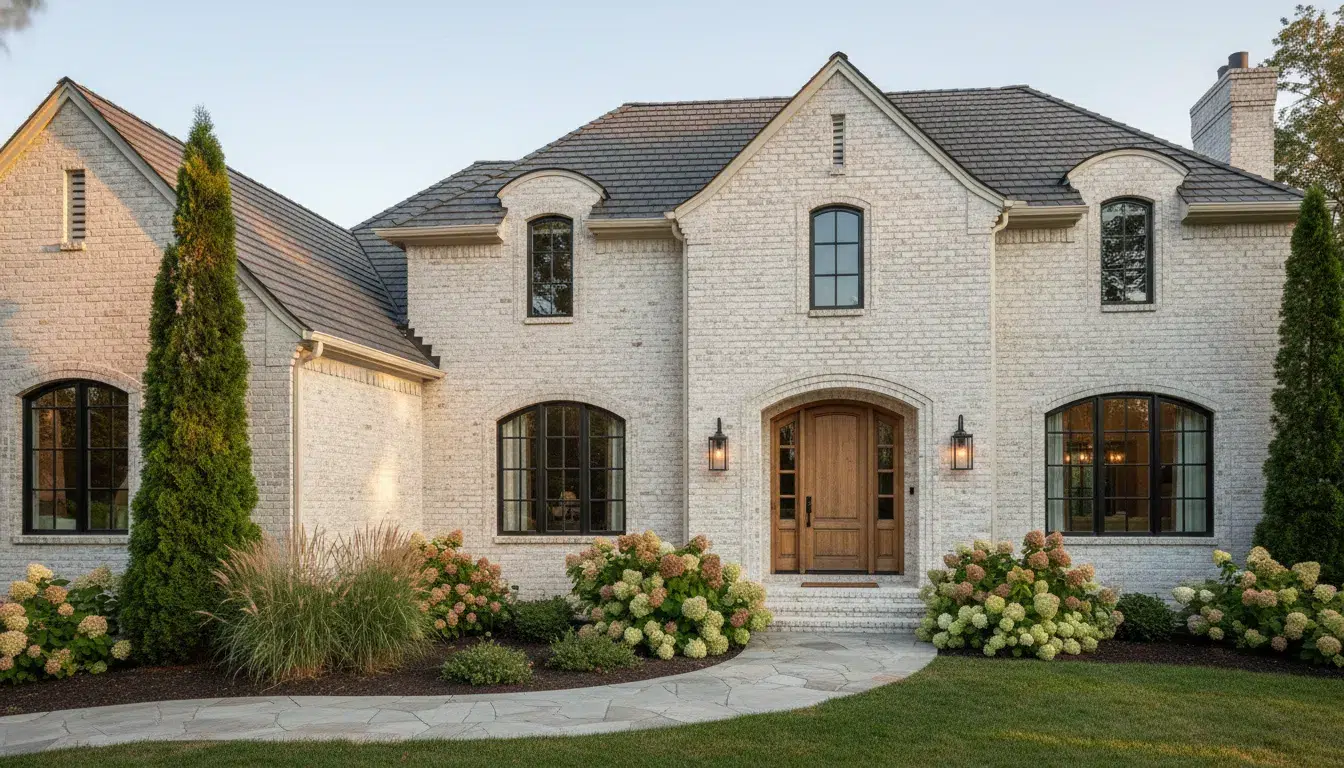
Brick gives a Boise home warmth and character, but its original color can sometimes feel too dark, busy, or dated. For homeowners researching limewash brick Boise options, limewash offers a distinctive way to soften masonry without hiding all of its natural variation.
Ready to explore limewash for your Boise brick? Request a consultation with Paint Boise.
Unlike a conventional opaque coating, mineral limewash creates a breathable, matte finish with subtle movement in tone. It can brighten an exterior, give a fireplace a relaxed focal-point finish, and be adjusted from lightly distressed to more consistent coverage. The best result depends on the brick’s condition, existing coatings, exposure, and the look you want to achieve.
This guide explains how limewash changes brick, how it compares with paint, what Boise’s climate means for durability, and how to care for the finished surface. It also outlines the professional application process so you can decide whether limewash is the right fit for your home.
Limewash Brick Boise: What is limewash, and how does it change brick?
A mineral finish that becomes part of the surface
Limewash is a water-based mineral finish made from lime. On bare, porous brick, the thin wash settles into small pores instead of simply covering the face. It dries through carbonation, a reaction with carbon dioxide in the air. The National Park Service explains that this process creates a tough mineral finish.
That bond is why limewash looks and acts different from a thick coat of paint. It works with absorbent masonry and lets some of the brick’s natural texture stay visible. The finish may appear chalky, soft, and matte. It does not create the smooth, even color that many homeowners expect from standard paint.
The look on Boise brick
For a Boise brick home, limewash can soften strong red, orange, or brown tones without erasing the masonry’s character. Color can gather in low spots and look lighter across raised faces. Those shifts create a worn, layered look. The amount of brick that shows through depends on the chosen color, mix, and application method.
Limewash is not limited to bright white. It can be tinted, and the National Park Service notes that colored limewash has long been used when white was not wanted. A sample area helps show how a shade will read against the home’s roof, trim, and nearby materials.
Limewash versus opaque paint
Opaque paint aims for consistent color and full coverage. Limewash is more varied by design, so some brick and mortar may remain easier to see. This makes the choice less about finding one better finish. It is about deciding whether the home needs a solid painted look or a softer mineral wash.
Moisture movement is another key difference. Limewash is breathable, which lets trapped moisture pass out through masonry. That quality can help reduce moisture-related mildew and decay. Homeowners comparing painted brick comparison should consider the brick’s condition, prior coatings, and the final look they want.
Bare, absorbent brick is the clearest starting point because limewash needs contact with the masonry. Existing paint or a sealed surface can keep the wash from bonding as intended. Before choosing limewash brick in Boise, test both water absorption and color on a small, less visible area.
Limewash vs. painted brick: which finish fits your home?
Choosing between limewash and paint depends on the brick, the look you want, and how you plan to maintain it. Both finishes can change a home’s curb appeal, but they create different surfaces. A close look at coverage, moisture, and future upkeep helps narrow the choice.
Finish and coverage
Limewash soaks into porous masonry and leaves a soft, varied finish. Its cloudy color can let some of the original brick show through, based on the mix and application. Brick paint forms a more even surface film, so it can hide strong color shifts, stains, and repairs.
The right option is not just a style choice. The condition of the masonry and the desired level of coverage matter too. For more background, compare brick finish options before settling on a finish.
| Comparison point | Limewash | Brick paint |
|---|---|---|
| Appearance | Soft, matte, and varied | Even, solid, and color-rich |
| Coverage | Can show brick character | Can fully cover brick color |
| Moisture | Allows vapor to pass | Depends on the coating selected |
| Upkeep | Wears into an aged look | May need touch-ups as it ages |
| Future changes | Look can be refreshed with more limewash | Removal may require stripping |
| Best fit | Porous, unpainted masonry | Brick needing solid coverage |
Breathability and brick condition
Breathability is a key difference. The National Park Service explains that limewash lets trapped moisture pass out, which helps buildings breathe. That moisture movement can reduce mildew and timber rot.
Paint performance depends on the product and surface prep. Some masonry coatings allow more vapor movement than standard exterior paint. Existing paint, damaged mortar, stains, and past repairs should be checked before either finish goes on. A sound surface supports a cleaner, longer-lasting result.
Maintenance and future changes
Limewash tends to wear into a softer, aged look instead of keeping one flat tone. It can be refreshed when the color becomes too light or uneven. As limewash dries, it reacts with carbon dioxide and creates a tough mineral finish.
Paint gives stronger color control, but chips or peeling areas can stand out. Returning painted brick to a bare look can also take more work. Fresh, porous brick often suits limewash, while previously painted brick may need a compatible masonry coating.
For limewash brick in Boise, assess exposure along with appearance. Sun, moisture, and winter weather can affect how any exterior finish ages. A test area can show the true color, coverage, and texture before work spreads across the wall.
Is limewash durable on Boise brick exteriors?
Limewash can be durable on Boise brick, but its service life depends on the wall and the work behind the finish. Exposure, drainage, brick condition, and application all affect how it wears. A sound wall may develop a soft, aged look over time rather than peel like a film coating.
Boise weather and natural wear
Boise exteriors face strong sun, seasonal temperature swings, and periods of freezing weather. Those conditions can expose weak mortar, trapped moisture, or poor drainage. Limewash does not fix those problems, so they should be addressed before the first coat goes on.
Moisture deserves close attention. Water that enters cracks or collects near the wall can freeze and place stress on brick and mortar. Gutters, flashing, caps, sprinklers, and soil grade should direct water away from masonry. The National Park Service explains that limewash helps walls breathe by letting trapped moisture pass outward.
Sun and wind can also change how fast a fresh coat dries. If one area dries much faster than another, the color and bond may look uneven. Crews often plan work around shade, heat, wind, and rain so the limewash can cure at a steady pace.
Substrate condition comes first
Before limewashing brick in Boise, inspect the entire surface rather than checking one easy-to-reach spot. Look for loose mortar, flaking coatings, white salt deposits, cracks, and damp areas. Repairs should use materials that suit the existing masonry.
The surface also needs to accept limewash. Dust, dirt, sealers, and old film-forming paint can keep the finish from bonding to the brick. A small test area can show how the wall absorbs water and how the chosen color dries. Homeowners comparing finish types can review choosing paint for brick before selecting a system.
- Repair failed mortar and damaged brick before coating.
- Correct active leaks and repeated sprinkler spray.
- Remove loose material without harming the masonry face.
- Test absorption, color, and coverage in a discreet area.
Preparation and upkeep
Correct prep supports a more even bond and helps prevent early failure. The wall must be clean, sound, and ready to absorb the mineral finish. Application thickness, dilution, weather, and drying time also shape the final result. Rushing any step can lead to patchy color or weak areas.
Limewash gains strength through carbonation as it reacts with carbon dioxide in the air. This process creates a tough mineral finish, according to the National Park Service guidance on limewash durability. Even so, durability is not a fixed promise for every Boise home.
Expect the finish to weather and soften with age. High-exposure walls may need touch-ups sooner than sheltered walls. Periodic checks can catch drainage issues, cracks, or worn areas before they spread. A careful inspection is the best starting point for judging whether a specific brick exterior suits limewash.
Want a finish plan tailored to your brick? Talk with Paint Boise about your limewash project.
Can you limewash an interior brick fireplace?
Yes, an interior brick fireplace can be limewashed when the surface is sound and suited to a mineral finish. Limewash softens harsh brick colors while leaving natural shifts in tone visible. The result can range from a light haze to a worn, old-world look.
Assessing the brick and existing finish
Start by checking the brick and mortar for loose areas, cracks, soot, and signs of moisture. Repair needed areas before adding a finish. If the brick has paint, sealer, or another coating, limewash may not bond to the masonry beneath it.
A small test patch can show how the surface accepts the product and how the color dries. It also helps you choose coverage before treating the whole fireplace. For more detail on coating choices, review traditional brick paint guide.
Cleaning and applying the limewash
Remove dust, ash, grease, and soot with a cleaning method suited to the brick. Let repairs and cleaned areas dry as directed before starting. Mask the mantel, walls, floor, doors, and metal trim to control drips and splatter.
Limewash has a loose, varied look rather than the flat coverage of standard paint. Dilution and brush technique affect how much original brick shows through. The National Park Service notes that limewash has long served as both an interior and exterior finish.
Work across manageable areas and keep the edge wet enough to avoid hard overlap marks. Step back often, since the pattern can look different from across the room. Follow the product directions for coats, dry time, and cure time.
Heat zones and coated brick
A fireplace surround needs a different review than a decorative brick wall. Confirm where the chosen product may be used, especially near the firebox opening and other hot areas. Keep limewash out of any zone that its maker does not approve.
Previously coated brick deserves extra care because the hidden masonry may be hard to assess. Do not assume that washing the face makes it ready for limewash. A coating may need removal, or another breathable masonry finish may suit the surface better.
Plan enough cure time before using the fireplace again. Check the dried surface in daylight and with the room lights on before adding another coat. That pause helps prevent a finish that looks heavier than intended.
How professional limewash brick application works
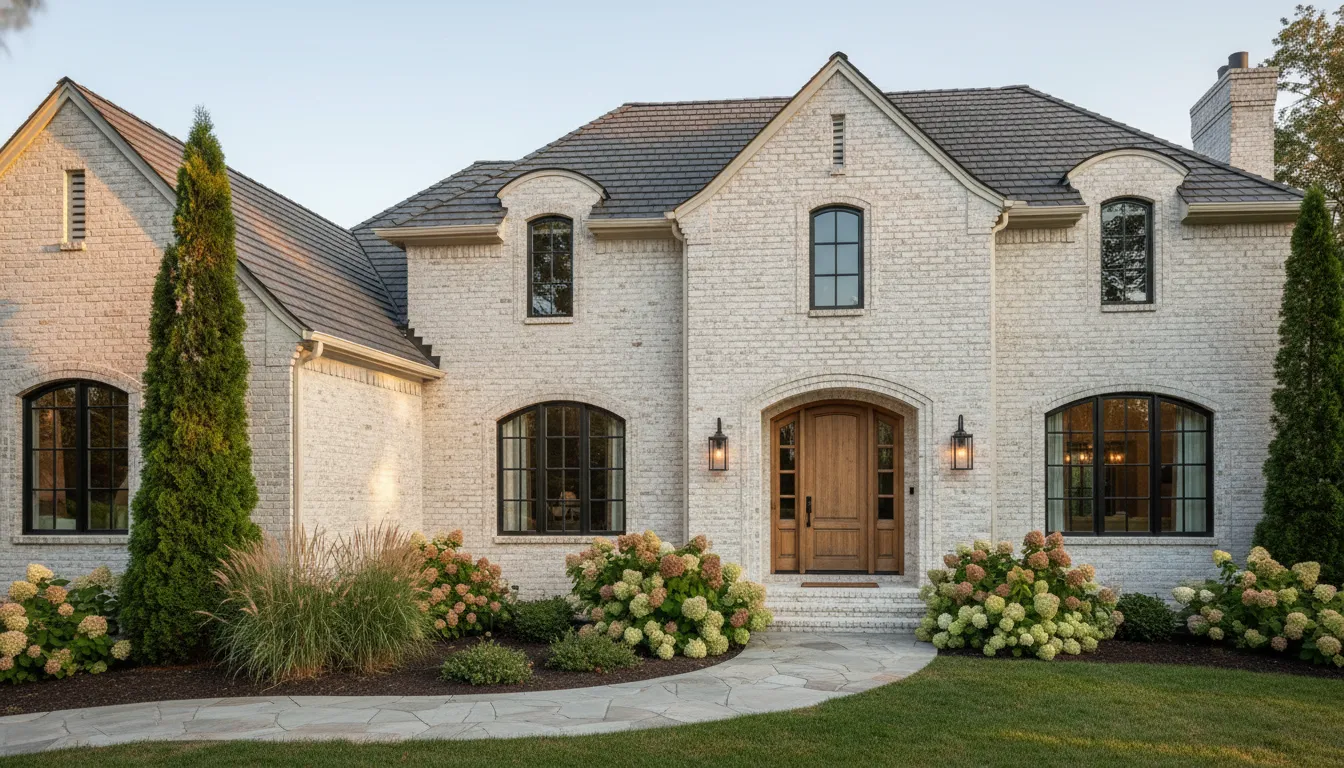
A professional limewash brick Boise project starts with careful planning, not a brush. Paint Boise first studies the brick, mortar, repairs, nearby finishes, and the look the owner wants. This early work helps prevent uneven color, missed damage, and a distressed pattern that feels forced.
Inspection and sample planning
Brick must be sound and able to accept a mineral finish. Existing sealed or painted areas may need a different plan because they can keep limewash from bonding. The crew also checks cracks, loose mortar, stains, and water issues before choosing the prep method.
A sample area shows how the chosen color and coverage will look after drying. It also lets the owner compare full coverage with a softer, weathered finish. For help weighing coating choices, review limewash vs. traditional brick paint before work begins.
The application sequence
Once the sample is approved, the crew follows a set order. Each stage supports even coverage while keeping the brick’s natural texture visible.
-
Protect the work area. Crews cover windows, doors, roofs, plants, walks, floors, and fixtures. Tape and masking create clean edges around surfaces that should remain bare.
-
Prepare the brick. The crew removes loose dirt, dust, growth, and weak material without harming the masonry. Needed mortar or brick repairs happen before coating starts.
-
Dampen the surface. Clean water helps control how fast porous brick draws moisture from the limewash. The goal is damp brick, not water running down the wall.
-
Mix and apply limewash. The crew keeps the mix even and works in planned sections. Brushes push the material into textured brick and mortar joints.
-
Build the chosen coverage. The applicator checks color and opacity as the finish starts to set. Thin or uneven spots receive careful touch-ups instead of a heavy coat.
-
Distress selected areas. If the approved sample calls for aging, the crew removes some limewash from chosen brick faces. This step reveals brick color while keeping the pattern balanced.
-
Allow curing and inspect. The crew protects the fresh finish from harmful conditions and checks it as the color settles. Final review covers edges, coverage, cleanup, and approved touch-ups.
Curing and final appearance
Limewash changes as it dries, so the wet color is not the final color. It reacts with carbon dioxide in the air during carbonation, which creates a tough mineral finish. The National Park Service explains this curing process for traditional and modified limewashes.
The final review should happen after the finish has had time to settle. Crews check the sample target, distressed areas, mortar joints, and transitions in consistent light. A planned brick painting services in Boise also includes clear guidance on care and future touch-ups.
How do you maintain limewashed brick?
Limewashed brick needs light care, not a strict repainting schedule. The finish changes as rain, sun, and daily use wear it. That soft variation is part of its character, so an even, freshly coated look should not be the goal.
Gentle routine cleaning
Check exterior brick each spring and after harsh weather. Look for dirt, algae, loose mortar, cracks, or spots where water keeps collecting. For routine cleaning, start with clean water and a soft brush. Work on a small area first and use light pressure.
A fireplace needs similar care, though soot may call for more patience. Let the surface cool, remove loose dust, and test any cleaner in a hidden spot. Avoid harsh chemicals, stiff wire brushes, and hard pressure washing. These methods can strip the limewash or harm the brick beneath it.
Small touchups and natural aging
Touch up only the areas that look too bare or no longer match the intended finish. Clean the spot first, let it dry, and apply a thin coat that matches the original mix. Feather the edges into the older limewash instead of painting a hard patch.
Expect exterior limewash to age in an uneven way. Areas near gutters, sprinklers, ledges, and ground splash may change faster than sheltered walls. That does not always mean the finish has failed. The National Park Service explains that limewash helps brick shed rain while letting trapped moisture escape.
Do not seal over limewash with a film-forming product without first checking how it affects moisture flow. If you are weighing other options, review how breathable masonry finishes differ from coatings that form a tighter surface film.
When an inspection makes sense
Request an inspection when cracks grow, mortar crumbles, brick faces flake, or damp spots keep returning. The same applies when large sections wash away soon after a touchup. These signs may point to a water or masonry issue, not just worn limewash.
Before a broad refresh, note the wall’s exposure and any drainage trouble. Share photos and details about past products with the contractor. A review of professional limewash application in Boise can also help set the right scope for exterior brick or a fireplace.
Frequently Asked Questions
What is the difference between limewashing and painting brick?
Limewash is a mineral finish that soaks into porous, unpainted brick and leaves a soft, varied appearance. Masonry paint forms a more uniform film over the surface. Limewash also remains breathable, allowing trapped moisture to escape, according to the National Park Service. The right option depends on the brick’s condition, prior coatings, and the desired finish.
How long does limewash on brick last?
Limewash can remain attractive for years, but its appearance changes as weather gradually wears the finish. Its service life depends on surface preparation, product formulation, exposure, and application quality. The National Park Service explains that limewash carbonates as it dries, creating a tough mineral finish. Exterior brick may eventually need touch-ups or another coat.
Does limewashing brick damage the surface?
Properly applied limewash generally does not damage sound, porous brick. It bonds with masonry while allowing trapped moisture to escape rather than sealing the surface. However, loose mortar, damaged brick, or an existing non-breathable coating should be addressed first. Test a small area before proceeding, because product compatibility and the brick’s condition can affect adhesion, color, and the final texture.
Can you limewash an interior brick fireplace?
Yes, limewash can be used on an interior brick fireplace when the masonry is clean, sound, and suitable for the chosen product. The National Park Service notes that limewash has long been used on both interior and exterior surfaces. Follow the manufacturer’s heat and application guidance, and keep the coating away from firebox areas where it is not approved.
Is limewash a good choice for Boise homes?
Limewash can suit Boise homes when homeowners want a breathable, softly weathered brick finish. It allows original brick color and texture to remain visible, depending on dilution and application. Exterior results still depend on sound masonry, careful preparation, and exposure to sun, wind, snow, and rain. A sample area helps confirm the color and finish before limewashing an entire exterior or fireplace.
Ready to Plan Your Boise Brick Limewash Project?
Waiting to address worn or dated brick can leave you with more cleaning, repair, and finish decisions when you finally begin. Starting the conversation now gives you time to compare finish options, review maintenance needs, and choose a practical schedule before your preferred season. With a clear plan, you can avoid rushed choices and move toward a limewashed exterior or fireplace that fits your home.
Ready to decide whether limewash is right for your brick? Request a limewash brick consultation to discuss your goals, timing, and next steps for your property with Paint Boise. Contact the team now so you can begin planning with clear expectations instead of putting off the decision.