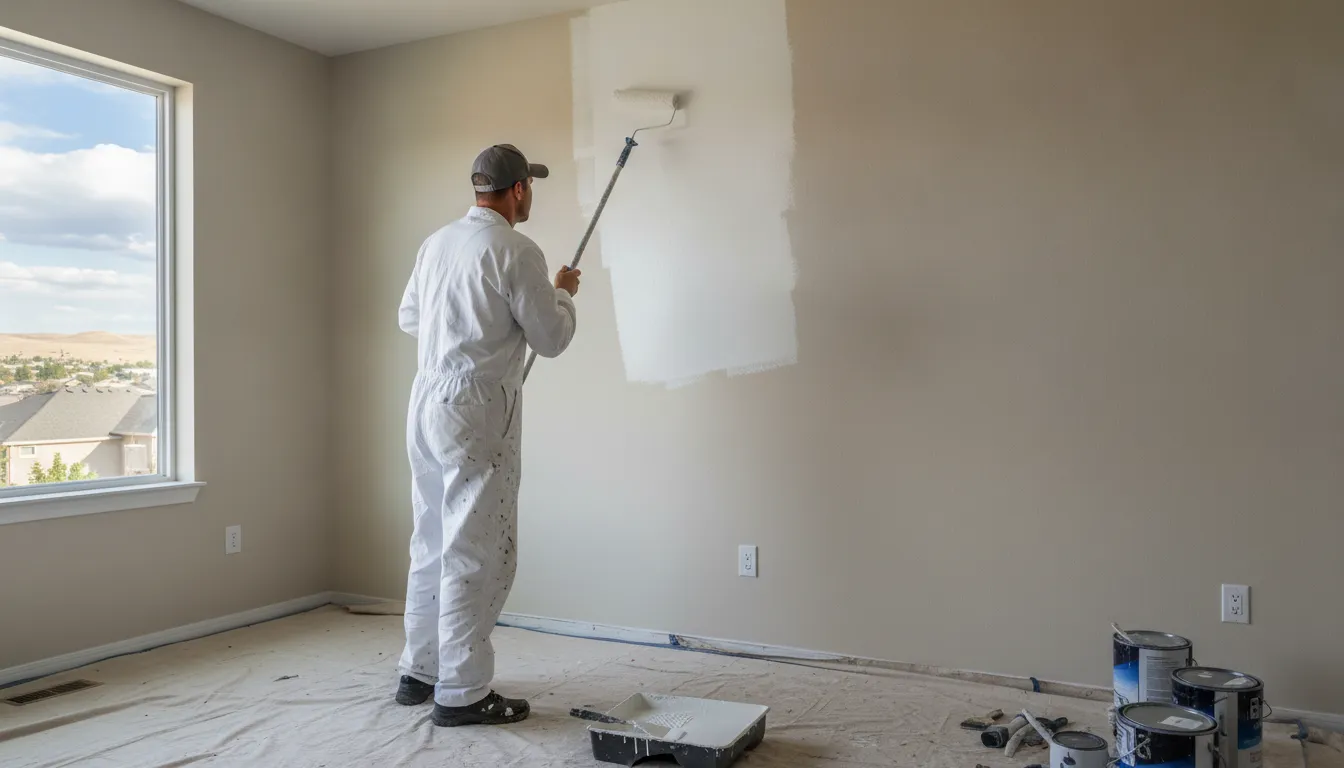
Most latex paints feel dry in one hour but take thirty days to fully cure. This gap between the surface drying and the paint reaching full strength is why many projects fail.
How long does paint take to dry is a common question that depends on the type of paint and the local air. Most interior latex paints feel dry to the touch in one to two hours and are safe for a second coat after four hours. However, oil-based paints need much more time; they often need six to eight hours to feel dry and a full day before you recoat. While walls may feel dry fast, the curing process is a chemical change where the paint reaches its final hardness. According to academic research, this can take thirty days for latex and five days for oil-based paints. These wait times help your new finish stay strong for years.
People often confuse the moment paint feels dry with the moment it is ready for heavy use. Knowing exact times for dry-to-touch, recoating, and curing is vital for any professional project. Below, we break down How long does paint take to dry? for every surface in your home, and the path begins with answering…
How long does paint take to dry?
Most people want to know how long does paint take to dry before they can touch a wall or move chairs. The short answer depends on the type of paint you choose. Water-based latex paint mostly dries to the touch in just one to two hours. If you use an oil-based paint, you might have to wait six to eight hours. While these times give you a quick start, you should not think the job is done once the surface feels dry.
Stages of paint drying
It is good to know the gap between three key stages. First, dry to touch means the paint is no longer wet. You can lightly brush against the wall without making a mess. This stage is fast, but the paint is still very thin and weak. Next is the recoat time. This is when you can safely add a second layer. For latex paint, this often takes four hours. For oil-based paint, you should wait a full day. Adding paint too soon can cause the first layer to peel or bunch up.
Last is the cure time. This is when the paint film reaches its full hardness. Even if a wall feels dry, it may still be soft. You can learn more about other cure times to see how bonds form. Curing is a slow process where the paint becomes tough and easy to clean. During this time, you should not scrub the walls or place heavy things against them.
What changes dry times
Many things can change how fast your paint sets. Air flow is a key part. Fresh air helps move water and oils out of the paint film. If you paint in a room with no wind or fans, it will stay wet for a long time. Heat also plays a big role. Most paints work best when it is between fifty and ninety degrees. If it is too cold, the paint may not bond to the wall at all.
Damp air can also slow down this work. If the air has more than seventy percent moisture, the paint will take much longer to set. You should keep best heat for paint drying in mind for your project. In the Treasure Valley, weather can change fast. At Boise Commercial & Residential Painting, we use our 40 years of local skill to pick the best days for your job. We know how to deal with Idaho’s dry heat and cold nights.
The science of curing
Curing is more than just losing water or oil. It is a change called oxidative polymerization that builds a strong layer. This process makes the paint stop scratches and stains. For latex paints, this can take up to thirty days. Oil-based paints cure much faster, often in just five days. Our team helps you plan for these times. We ensure your residential painting project and our interior painting services lasts for years by giving it time to set.
Common paint dry and cure times
| Paint type | Dry to touch | Recoat | Full cure |
|---|---|---|---|
| Latex | 1-2 hours | 4 hours | 21-30 days |
| Oil-based | 6-8 hours | 24 hours | 5-7 days |
Interior wall, ceiling, and trim drying times
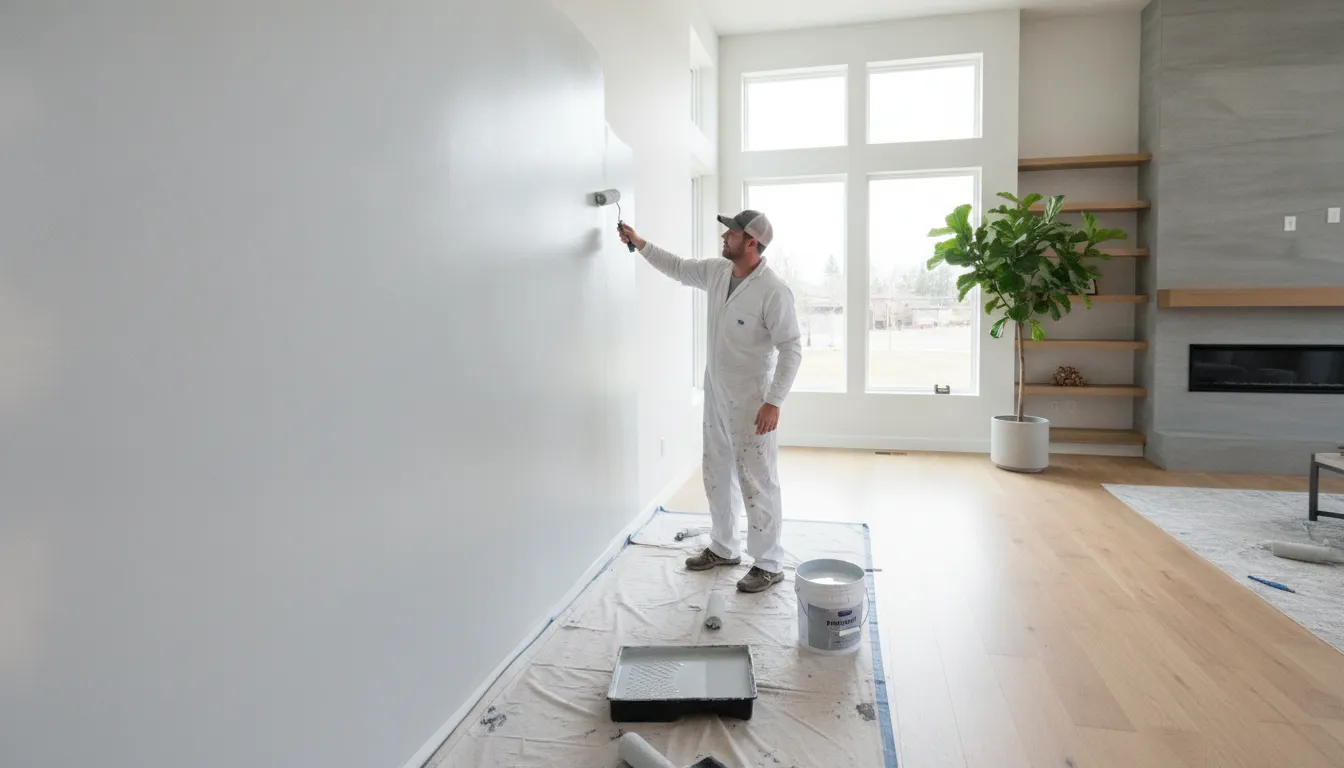
Most home owners want to know how long does paint take to dry so they can move their items back. The time it takes for a fresh coat to set depends on the surface and the type of paint used. Interior projects usually move fast, but you must still wait for each layer to set correctly before you add another one.
Latex wall and ceiling dry times
Most modern homes use latex paint for walls and ceilings because it dries very fast. For these surfaces, latex paint is usually dry to the touch within one to two hours. This quick speed helps our residential painting crews finish most rooms in a single day. While the surface might feel dry, it still needs more time before you can apply a second coat safely.
You should wait at least four hours before you add a second layer of latex paint. If you paint over a layer that is still wet, the new paint may pull the first layer off the wall. This can lead to bumps or streaks that ruin the finish. Most water-based paints need about 21 to 30 days to reach their full hardness. This is known as the curing phase, and it is different from the first dry time.
Trim and door curing processes
Trim, doors, and baseboards often need a tougher finish than walls. Painters may use oil-based or alkyd paints for these high-use areas because they stand up well to scuffs. These paints take much longer to dry than latex options. An oil-based coat often needs six to eight hours to feel dry to the touch. You must usually wait a full 24 hours before you apply a second coat to trim or doors.
The strength of these coatings comes from a process called chemical cross-linking. During this time, the paint film forms a tight bond that creates a hard shell. Research shows that a strong paint film needs time after it dries to reach its full strength. For oil-based paints, this curing process can happen in as little as five days. This is much faster than the weeks needed for latex products to fully harden.
Factors that delay drying
Even the best paint will take longer to dry if the room is too cold or damp. High humidity is a common problem that slows down the drying process in many homes. When humidity levels rise above 70 percent, the air cannot hold much more moisture. This keeps the water or solvent in the paint from drying quickly. You may need to use a fan or an air dryer to help the space stay dry while you work.
Idaho’s climate can change fast, which affects how paint sets in the Treasure Valley. Choosing the right product for the job helps manage these different paint curing times in your home. Expert painters often adjust their work schedules based on the weather to ensure a smooth finish. Keeping a steady heat and good airflow will help your new paint dry as fast as possible.
How Boise weather changes exterior paint timing
Boise’s dry air and high desert sun create a unique setting for house painting. While low humidity often helps paint set fast, the high sun can cause a film to dry too quickly. This can lead to brush marks or poor bonding. Most latex paints take about one to two hours to dry to the touch in local conditions. However, ideal painting temperatures for drying usually fall between 50 and 85 degrees. If the air is too hot or too cold, the paint may not form a strong layer.
Handling Idaho sun and wind
The Treasure Valley often sees steady winds and bright sun during the summer. These factors speed up how fast water leaves the paint film. While this helps the surface feel dry, the paint still needs time to bond with the siding. Wind can also blow dust onto a wet surface, which ruins the finish. We plan our work to follow the shade around your home. This keeps the siding cool so the paint can level out before it sets. Proper timing ensures the coating remains smooth and holds up against the elements.
Dry times change when you use different types of coatings. For example, oil-based paint can take six to eight hours to feel dry to the touch. This slow pace makes it more likely to catch dust or pollen on a windy Boise afternoon. The initial drying stage is only the start of the process. A resilient paint film requires more time post-drying for complete chemical cross-linking. This step is what makes the paint hard enough to scrub or resist rain.
Temperature swings and overnight cold
In Boise, the gap between day and night temperatures can be large. A warm afternoon can quickly turn into a cold night. This swing matters because paint needs to reach a certain stage before the thermometer drops. If the paint is still wet when dew forms or frost hits, it may peel or look dull. You can safely recoat most latex products in four hours, but you must check the product label for cold-weather limits. We often stop painting early in the day to give the film time to set before the sun goes down.
Even after the paint feels dry, the curing process continues for weeks. Latex and acrylic paints usually take 21 to 30 days to fully cure in our climate. During this time, the paint is still soft and prone to damage. Understanding different paint curing times helps you know when it is safe to lean ladders or wash your siding. We use our 40 years of local experience to pick the best windows for every job. See our exterior painting approach as you plan to ensure a long-lasting finish.
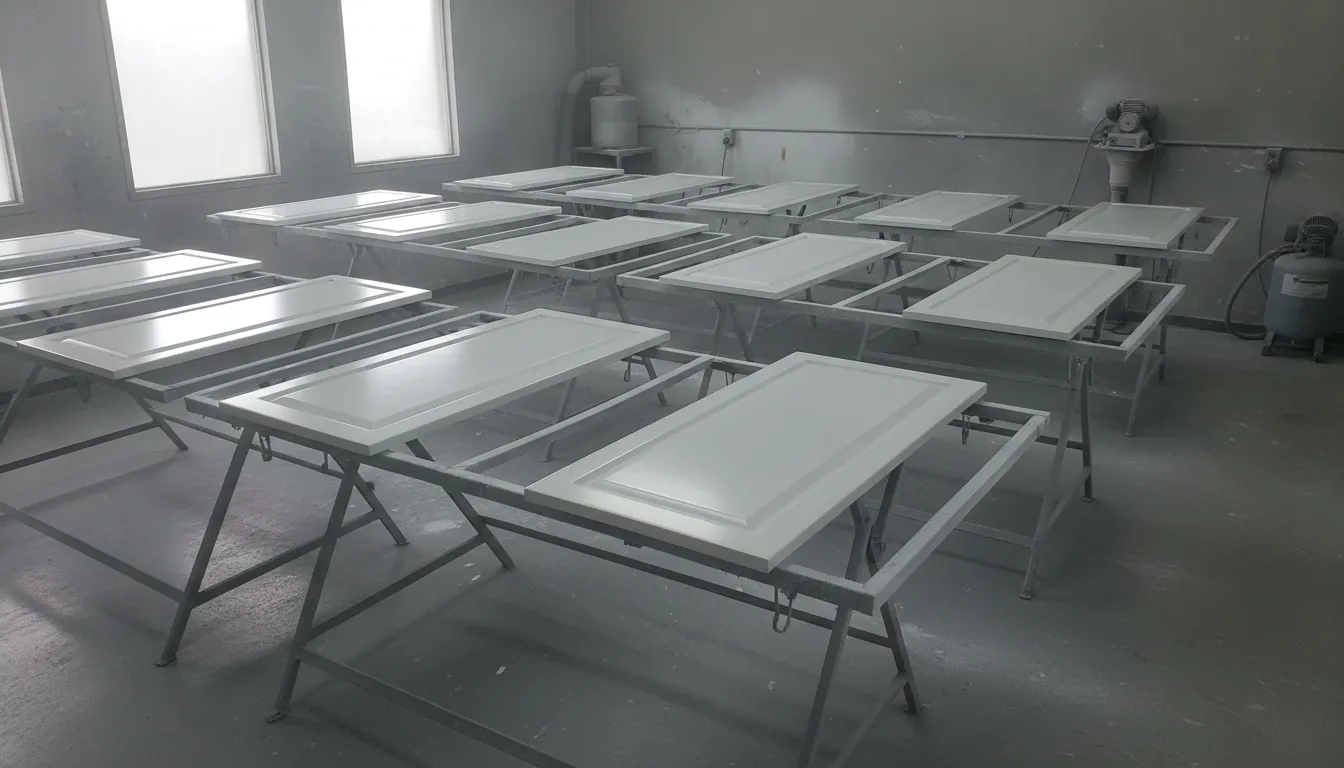
Why cabinet paint needs extra cure time
When you finish a job, you want to use your kitchen right away. Our cabinet painting service accounts for this longer cure period. But cabinets and shelves need more time than walls. While the paint may feel dry, it is still soft. During this time, the paint goes through oxidative polymerization to reach its full hardness. Rushing this stage can lead to chips, marks, or stuck doors that ruin your new look.
The difference between dry and cured
Most people ask how long does paint take to dry when they should ask about cure time. Drying happens when the liquid leaves the paint. Curing is a chemical change where the paint bonds to form a tough shield. For water-based paints, this can take 21 to 30 days. Oil-based paints can cure in about five days, but they take much longer to feel dry to the touch.
During the first few weeks, the paint is still building its structural integrity and resistance. This means the surface is easy to hurt with heat, grease, or water. In the Treasure Valley, our weather can change these times. Cold or damp air will slow the process, while warm air helps it. Our team at Paint Boise has 40 years of skill in managing these different paint curing times to ensure a top finish.
Protecting your cabinets during cure time
You must be gentle with your cabinets for the first month. Do not use harsh cleaners or scrub the surface. If you need to wipe a spill, use a damp cloth and a very mild soap. We also suggest waiting at least 48 hours before you put the knobs back on the doors. This keeps the metal parts from sinking into the soft paint and leaving a mark you cannot fix.
It is also smart to leave cabinet doors slightly open or use small bumpers. If you close them too soon, the paint on the door can stick to the paint on the frame. This can peel the paint right off the wood when you next open the door. Taking these small steps helps your cabinet painting work stay nice for years. Our pay-when-happy promise ensures we take the time to do every step right, from prep to the final coat.
How to help paint dry properly
When you paint your home in Boise, you want the job to look great and last for years. Knowing how long does paint take to dry is just the first step in a good project. You also need to help the paint dry and cure in the right way. If the paint dries too fast or too slow, it can crack or peel. Our team at Paint Boise knows Idaho’s dry air can speed up the work. We still follow strict steps to get a smooth finish.
Control the air and heat
The air around your wet paint has a big impact on the end result. Damp air can slow down the work, as wetness in the room keeps the paint soft for too long. If the dampness is above 70 percent, the paint may take much longer to set. On the other hand, high heat can make the top layer dry while the bottom is still wet. This can lead to bumps or a rough feel on your walls.
Use thin coats for a better finish
It might seem faster to put on one thick layer of paint, but this often leads to drips and soft spots. Thin coats dry much faster and in a more even way. Most latex paints dry to the touch in about one to two hours. By using two or three thin layers, you make sure the whole film is strong. This helps the layers bond well to the wall and to each other.
- Open windows to boost air flow. Moving air helps the liquid in the paint turn into gas and leave the room. This is the fastest way to help a space dry without using extra heat.
- Keep the room at a steady heat. Aim for a heat level between 60 and 80 degrees. This helps the paint form a tough film as it starts to set on the wall.
- Use a machine to dry the air if it is a damp day. High moisture can trap liquid under the paint surface. Keeping the air dry ensures the paint stays on the wall for a long time.
- Paint in thin, even layers. Thick paint takes a long time to dry and can look messy. Thin layers are easier to manage and dry much more quickly than one thick coat.
- Wait for the full recoat window. Even if the wall feels dry, it might not be ready for a second coat. Check the paint can for the right wait time to avoid ruins and marks.
Rushing the job can lead to big problems later on. True strength comes during the cure phase, which is when complete chemical cross-linking occurs in the paint film. This step makes the paint hard and able to stand up to daily use. For the best results, you should also look at the ideal painting temperatures for drying before you start your next home project.
How can you tell whether paint is ready?
When you paint a room, you may want to move furniture back or add a second coat fast. But rushing the process can ruin your hard work. Knowing how long does paint take to dry is about more than just checking a clock. You must look for clear signs that the paint is still wet or soft before you touch it. If you rush, you might end up with marks or peeling that are hard to fix.
Check for tackiness and marks
The first sign that paint is not ready is tackiness. If you press a finger to an out-of-the-way spot and the paint feels sticky, it is not dry. You should also look for fingerprints. If your touch leaves a small dent or mark in the surface, the paint is still soft. This means the top layer has set, but the layers below are still wet. Waiting for the paint to lose its stickiness is the best way to avoid damage.
Another test is to look for a dull or even shine. Wet paint often looks more glossy than dry paint. As the water or oil leaves the film, the finish should look the same across the whole wall. If you see spots that look wetter than others, give them more time. Expert painters often wait longer than the can says to make sure the bond is strong. This is key for alkyd paint drying characteristics which often take more time than water-based options.
Watch for dragging and wrinkling
If you start a second coat too soon. You might see “dragging.” This happens when your brush or roller pulls the first coat off the wall because it has not bonded yet. It creates a messy, uneven texture. You may also see wrinkling or bunching in the paint film. This often occurs when the top of the paint dries much faster than the bottom. It can happen in the Treasure Valley if the air is very dry but the wall is cold.
You should also be aware of “blocking.” This is when two painted surfaces stick together and peel when you open them. This often happens with doors and windows. Even if the paint feels dry to the touch, it may still be soft enough to bond to another surface. This shows why the curing process is so important. Curing is when the paint reaches its full hardness through chemical changes like oxidative polymerization. This process can take days or even weeks to finish.
Let the paint cure for full strength
To get the best results, you must let the paint cure, not just dry. Drying happens when the liquid leaves the paint, but curing is when the film becomes a tough shield. This step is what makes your walls resist stains and scuffs. Rushing to hang pictures or push a sofa against a new wall can leave deep marks that do not go away. Most latex paints need a full month to reach their peak strength.
In Idaho, our weather can change how fast this happens. High humidity or low temperatures can slow down the clock. Using ideal painting temperatures for drying helps the paint set correctly. If you are not sure if the paint is ready, it is always safer to wait an extra day. Patience makes sure your new paint job stays beautiful for years. If you need help with a big project, you can always contact a pro for a color consultation or a free estimate. You can also review painting financing options or see what customers say in our painting reviews.
Plan your Boise painting project with a free estimate.
Frequently Asked Questions
How can I tell if my paint is fully cured?
You can check for a full cure by pressing your fingernail into a hidden spot. If the paint is hard and does not leave a mark, it is likely cured. Cured paint will also lose its smell and feel smooth rather than sticky. According to academic research, this process builds a strong film over several weeks.
Does high humidity make paint take longer to dry?
Yes, high humidity slows down the drying process because the air cannot soak up more water easily. In the Treasure Valley, damp air can make the water in latex paint take much longer to dry out. Experts at Loconsolo say this can add a lot of time before the wall is safe to touch.
How long does milk or chalk paint take to cure?
Specialty paints like milk and chalk types often dry to the touch in just 30 to 60 minutes. However, they still need a long time to reach their full strength. Most of these products take about 30 days to cure, as noted by Salvaged Inspirations. During this time, you should be careful not to scrub the surface or place heavy items on it. The paint is still soft and can get marks or dents easily.
How long does it take for oil-based paint to fully cure?
Oil-based paint usually dries to the touch in 6 to 8 hours, but it cures much faster than latex types. Based on facts from Sherwin-Williams, these paints can reach their full strength in as little as five to seven days. This happens because the oils go through a change that builds a tough layer quickly. You should still wait at least one day before you add a second coat of this paint.
Are you ready to get a great finish for your Boise home?
Waiting too long to start can lead to a dull look, but starting now ensures your work is done before the weather shifts. You can check our guide on how weather impacts dry times to see why timing is so key for a good job in Idaho. Our team handles all the timing for you so your paint can reach its full cure and stay strong for many years to come.
Ready to set up your project? We are here to help you get the best results for your home. Request a free estimate today to get a strong finish that protects your home for a very long time.