
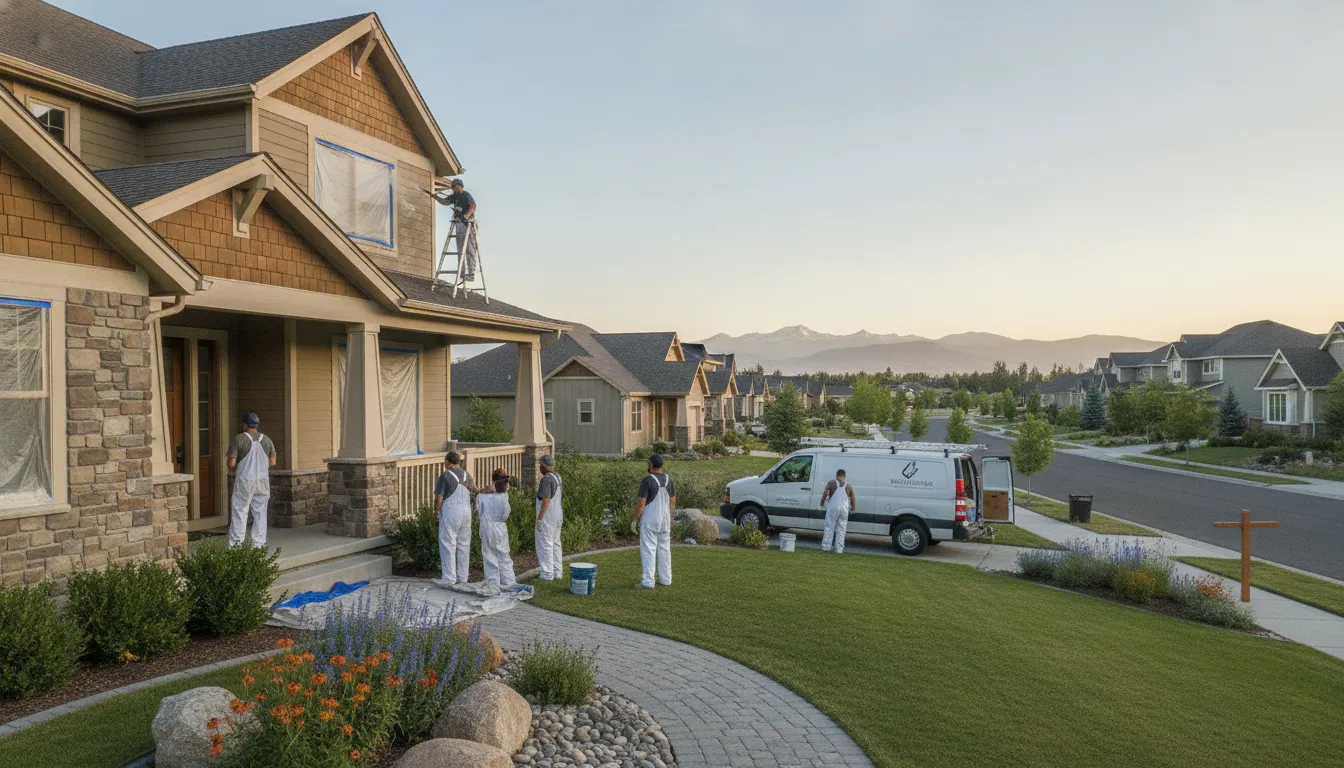
A fresh exterior can protect your home and improve curb appeal, but painting in an HOA community usually begins with paperwork, not a paintbrush. Before scheduling a crew or buying paint, confirm your association’s requirements and obtain written HOA painting approval. That simple step can prevent avoidable delays, color disputes, and the cost of correcting work that does not meet community standards.
Request a free exterior painting estimate from Paint Boise
Quick answer: Review your CC&Rs and architectural guidelines, ask the HOA or management company which form to use. Document every proposed color and surface, submit samples and photos, and wait for written approval before work begins.
This guide walks Treasure Valley homeowners through the process. You will learn how to choose an approval-friendly palette, build a complete application, coordinate with a painter, and respond if the association asks for changes.
Why HOA Painting Approval Matters in the Treasure Valley
An HOA generally uses architectural standards to maintain a consistent appearance throughout a community. Exterior painting is highly visible, so many associations review it before work begins. Your community may limit colors, require certain combinations, regulate sheen, or ask that nearby homes not use identical schemes. Some associations require review even when you plan to repaint with what appears to be the same color.
The controlling requirements are your community’s current governing documents and instructions. Rules can differ from one subdivision to the next, and processes can change. A neighbor’s experience is useful context, but it is not a substitute for confirming your own request with the HOA or its management company.
Approval protects your project plan
Written approval gives the homeowner and painter a shared reference for the job. It identifies which colors belong on the body, trim, doors, fascia, and accents. That clarity is especially helpful once preparation begins and a crew needs to make quick, accurate decisions.
Proceeding without approval can create unnecessary risk. Depending on the association’s rules, an unapproved project may lead to a violation notice or a requirement to correct the finish. Paint Boise’s guide to choosing an exterior house painter in Boise explains what to verify before hiring. Even if the colors look attractive, they may not comply with the published standards. Waiting for written confirmation is far less disruptive than repainting after the fact.
Local conditions make planning important
Treasure Valley exteriors face bright sun, seasonal temperature swings, wind, and winter moisture. A project should account for surface condition and a suitable weather window as well as HOA review. Start the application early enough that the review period does not push the work into an inconvenient part of the season. Paint Boise can help you align the project scope with the expected review and weather windows. Our guide to the best time to paint a house exterior explains the seasonal tradeoffs.
If you are still learning what the project involves, Paint Boise’s complete exterior painting guide explains preparation, application, and other practical considerations.
How to Get HOA Painting Approval Before Work Begins
To get HOA painting approval, Paint Boise recommends confirming the current rules first, documenting every color and surface, and submitting one complete application before scheduling work. The seven steps below give homeowners a practical path from the first document review to written approval.
- Read the governing documents. Search your CC&Rs, design standards, and architectural guidelines for exterior paint rules. Note whether repainting the same color still requires review.
- Contact the HOA or management company. Ask for the current architectural review form, approved palette, submission deadline, meeting schedule, and expected review window.
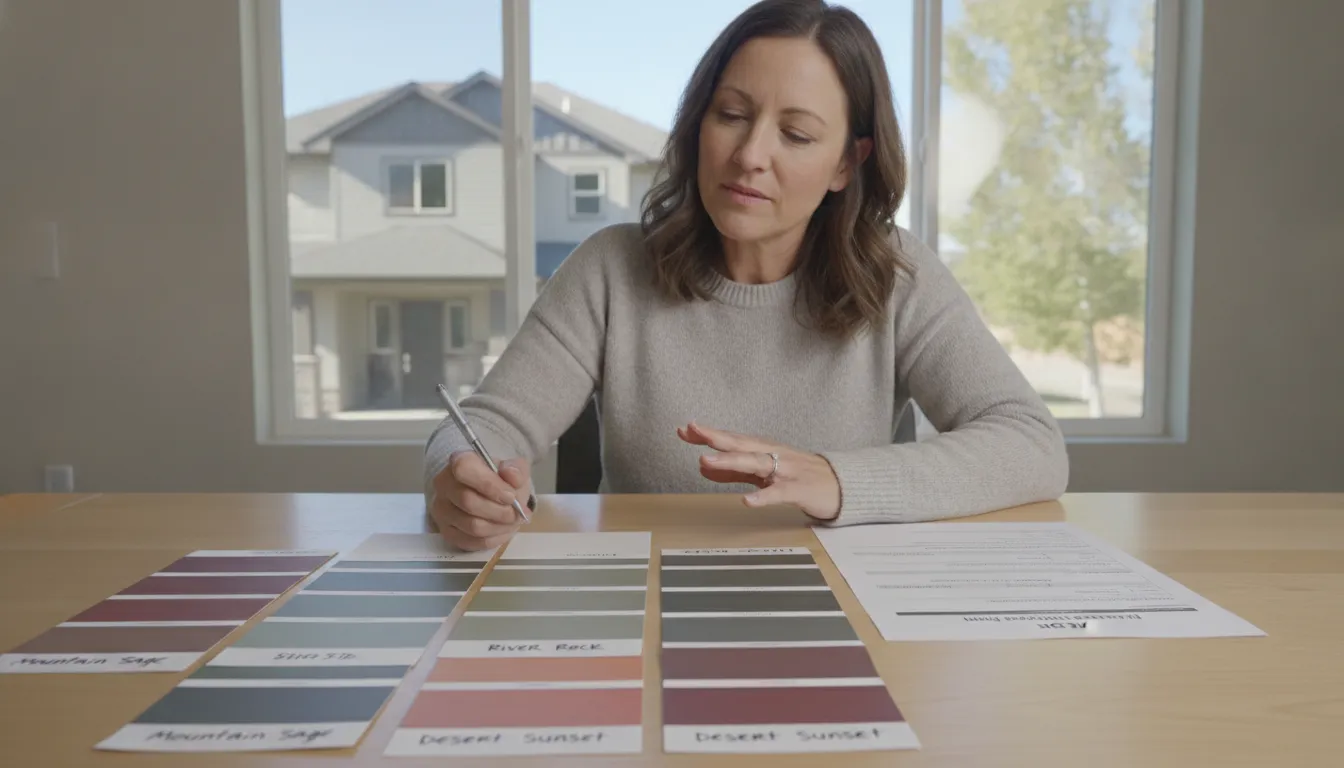
- Choose a complete color scheme. Identify the manufacturer, color name, and code for the body, trim, fascia, garage door, front door, and every accent.
- Test colors on the home. View physical swatches or sample areas outdoors at different times of day. Treasure Valley sun can make a color appear much brighter than it looked indoors.
- Prepare the application. Include photos, marked-up elevations, color samples, the project scope, and contractor information if requested.
- Submit and track the request. Keep a copy, confirm it was received, and answer follow-up questions promptly.
- Wait for written approval. Do not assume silence is approval. Schedule final project dates after documentation confirms the exact scheme and scope.
Build extra time into the schedule
Review timing varies. An architectural committee may review submissions as they arrive, while another may consider them only during scheduled meetings. A complete request can reduce follow-up questions, but it cannot guarantee a particular decision date. Ask about timing before committing to a firm start date with a contractor.
Once approved, compare the decision with your original request. Confirm that all submitted colors and surfaces were accepted, and note any conditions. Give the final written approval to the project contact so the crew has the same information you do.
What Colors Are Most Likely to Receive HOA Approval?
The easiest starting point is the association’s current approved palette. Some communities specify exact manufacturer colors; others provide broader standards for compatible, low-contrast schemes. Either way, treat the exterior as one coordinated palette rather than choosing the body color alone.
- Body: Select a color that fits the neighborhood and the home’s fixed materials, such as stone, brick, or roofing.
- Trim and fascia: Use a complementary color with enough contrast to define details without clashing.
- Garage and front doors: Confirm whether these must match the body or may serve as accents.
- Small accents: List shutters, porch columns, vents, and other visible elements so the reviewer is not left guessing.
Evaluate samples outside
Paint chips are useful for narrowing options, but exterior light and nearby materials can shift a color’s appearance. View large samples in sun and shade, then check them in the morning and late afternoon. Compare them with the roof, masonry, landscaping, and nearby homes. Boise’s clear, bright light can make a subdued indoor sample look lighter or more saturated outside.
If your association prohibits duplicate schemes on adjacent homes, photograph the surrounding properties and confirm your proposed combination is distinct. A clear photo can also help the reviewer understand why your chosen palette fits the streetscape.
For more help building a coordinated palette, review our guide to choosing exterior paint colors.
What Should Your Exterior Painting Application Include?
An approval-ready application helps the reviewer see exactly what will change. Use the current form supplied by your association, complete every relevant field, and attach the requested supporting materials. If a requirement is unclear, ask before submitting instead of guessing.
| Application element | Weak submission | Approval-ready submission |
|---|---|---|
| Color details | “Beige with white trim” | Manufacturer, exact color name and code, sheen, and assigned surface |
| Visual reference | One distant photo | Clear photos or elevations labeled with each proposed color |
| Project scope | “Paint exterior” | List of siding, trim, fascia, doors, garage door, accents, and exclusions |
| Samples | Screen image only | Required physical chips or test-area photos, following HOA instructions |
| Schedule | No dates or contact | Estimated window, contractor contact, and access details if requested |
Talk with Paint Boise about your HOA exterior painting plan
Label every visible surface
Ambiguity often creates follow-up questions. A reviewer should not have to guess whether the garage door matches the body or trim, or whether the front door is a separate accent. Mark up exterior photos or simple elevations and use the same names and codes throughout the application.
Include the current exterior condition when it provides helpful context. If faded paint makes the existing color difficult to identify, say so. If repairs will replace damaged trim but keep the approved appearance, explain that work in the scope.
Keep a project record
Save a complete copy of the submission, proof of delivery, correspondence, and the decision. After approval, keep the final color details with your home records. That information can simplify future touch-ups or repainting, although you should still verify whether a new request is required later.
How Can a Painting Contractor Help With HOA Requirements?
Paint Boise can help turn HOA rules into a clear project plan. Our team can document the proposed work, prepare color details, and flag surface issues before scheduling begins. This support makes an HOA painting approval request easier to review, but the HOA still makes the final decision.
Documented scope and color choices
A detailed estimate gives the homeowner useful facts for an architectural request. It can list each painted surface, planned preparation, product type, and color assigned to each area. Clear labels for siding, trim, doors, and accents help prevent questions about the proposed finish.
A contractor can also record paint brand names, color names, codes, and sheen levels. Physical samples or test patches show how a color looks beside the roof, masonry, and nearby homes. These specifics make it easier for reviewers to compare the proposal with the association’s standards.
Paint Boise’s professional exterior painting services can help homeowners prepare these project details. Homeowners should still submit required forms and receive written approval before finalizing the work date.
Surface review and preparation
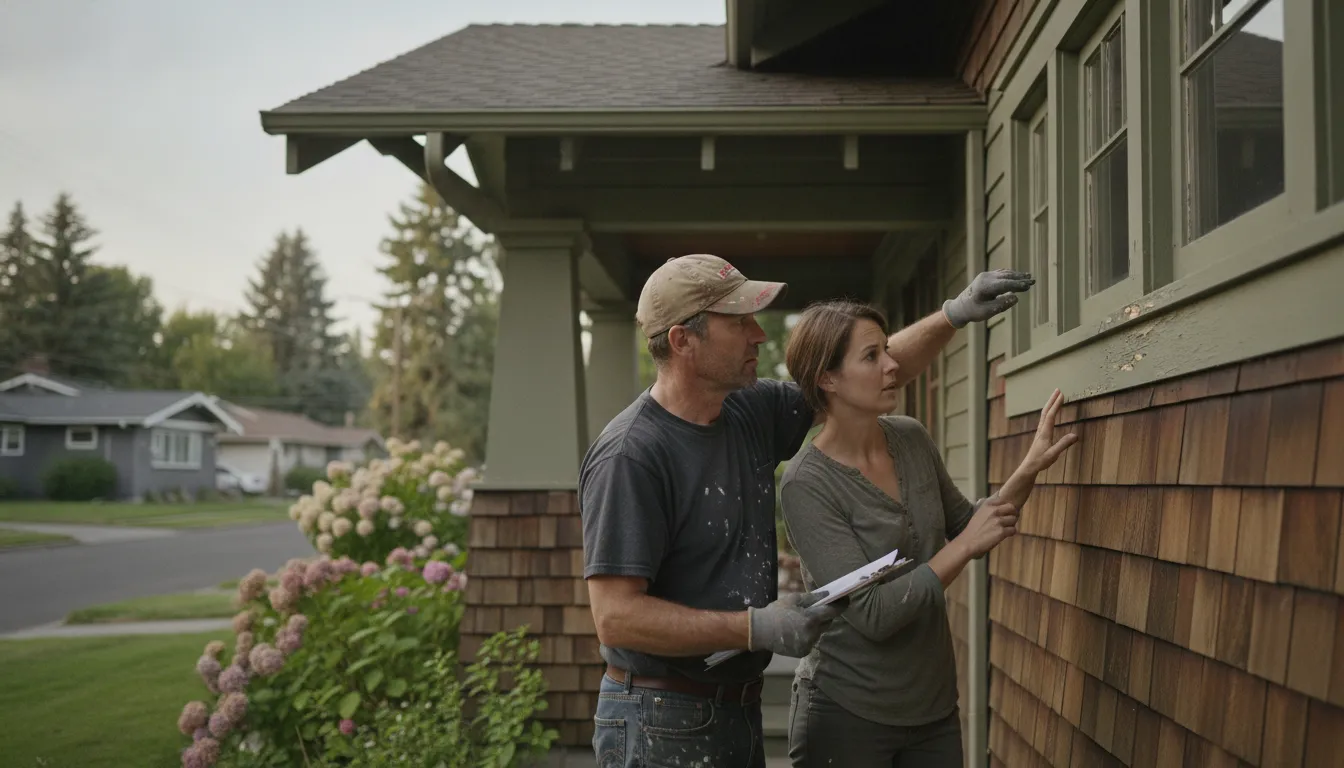
HOA requirements often focus on color, but surface condition also shapes the finished result. A painter can inspect siding, trim, caulk joints, peeling areas, and past coatings. That review helps separate needed repairs from optional changes, so the submitted scope reflects the work likely to occur.
Cleaning, scraping, sanding, caulking, priming, and small repairs create a sound base and a more even finish. If preparation reveals a change outside the approved scope, the homeowner can pause and ask the HOA before work continues. This reduces the risk of an unplanned repair changing the home’s appearance.
Scheduling and communication
A contractor can build the schedule around the HOA review, weather, crew access, and community work-hour rules. During the project, one point of contact helps keep decisions and updates organized. Good records remain useful after completion, including approved colors, product labels, final photos, and contractor notes.
What If Your HOA Delays or Denies the Request?
Do not begin painting while approval is pending or after a denial. Instead, ask for the decision and its reasons in writing. The issue may be a missing document, an unapproved accent color, or a scheme that does not fit the association’s standards.
- Compare the response with the current architectural guidelines.
- Ask which specific change or additional document would resolve the concern.
- Revise the palette or submission and resubmit it through the stated process.
- If governing documents provide an appeal process, follow its deadlines and requirements.
- Keep copies of applications, emails, decisions, and approved color details.
Respond with a specific revision
A focused response is easier to evaluate than a completely new proposal. If one accent is the issue, ask whether a listed alternative would address the concern. If the application was incomplete, supply the missing item and clearly identify it. Keep communication factual and tie revisions to the written standards.
A delayed review can also affect the best painting window. Tell Paint Boise that dates depend on HOA approval, and update the schedule when you receive a decision. Review the best temperature for exterior painting when evaluating revised dates. This is practical project guidance, not legal advice. Consult a qualified professional if you have questions about your rights or association documents.
Frequently Asked Questions About HOA Exterior Painting
Do I need HOA approval to repaint my house the same color?
Possibly. Some associations require architectural review for every exterior repaint, even when the color appears unchanged. Fading can also make an old finish look different from a fresh coat. Check current guidelines and obtain written confirmation before work begins.
How long does HOA painting approval take?
Review times vary by association, meeting schedule, and application completeness. Ask for the current review window and submit well before your desired painting date. Avoid ordering nonreturnable materials until approval is confirmed.
What happens if I paint without HOA approval?
Depending on the governing documents, the association may issue a violation notice and require corrective action. Confirm the rules before committing to colors or starting work.
Should I submit paint chips or samples?
Follow your association’s instructions. Color names and codes are useful, but physical samples, photos, and clearly labeled elevations can help reviewers understand the proposed scheme.
Can a painter guarantee HOA approval?
No. A professional painter can help document colors, scope, preparation, and scheduling, but the association makes the approval decision. The homeowner should keep the written approval and share it with Paint Boise.
Plan Your HOA-Ready Exterior Painting Project
A clear scope, documented palette, and careful preparation make it easier to move from approval to a finished exterior. Paint Boise helps Treasure Valley homeowners plan professional exterior painting projects with straightforward communication and close attention to the details.
Request an exterior painting estimate from Paint Boise and let us know that your home is in an HOA community.