That weekend DIY paint job seems like a great idea… at first. But after buying supplies and dedicating your weekend to taping edges, you start to wonder if you’re really saving money. The costs in time and effort add up fast. This is when most homeowners start asking about the professional cost to paint a room. This guide breaks down those costs for you. We’ll look at what goes into a professional quote right here in Boise, helping you compare the investment against the hidden expenses of doing it yourself.
Key Takeaways
- Your final price reflects more than just paint: Room size, wall condition, and paint quality all influence the cost, but remember that meticulous prep work and skilled labor make up the largest portion of the investment.
- Hiring a professional is an investment in quality: A pro handles the time-consuming prep work that guarantees a flawless, long-lasting finish, saving you from the costly mistakes and future touch-ups common with DIY projects.
- Plan ahead to control your budget: You can save money by scheduling your project during the off-season, doing some simple prep work yourself, and always getting detailed, written quotes to compare services and avoid surprise fees.
So, How Much Does It Cost to Paint a Room?
This is usually the first question on everyone’s mind when planning a home refresh. The truth is, there isn’t a single price tag. The cost to paint a room depends on its size, the condition of the walls, and the type of paint you choose. Think of it less like buying a product off the shelf and more like a custom service tailored to your space.
To give you a clear picture, let’s break down the numbers. We’ll start with some general industry averages to give you a baseline. Then, we’ll look at what you can expect to pay right here in Boise. This will help you set a realistic budget and understand what goes into a professional painting quote. Remember, a quality paint job is an investment in your home, and knowing the costs upfront makes the whole process smoother.
How Room Size Impacts Your Final Price
Nationally, the cost to paint an average-sized room typically falls somewhere between $400 and $1,600, with most homeowners spending around $1,100. When you break that down, it works out to about $2 to $10 per square foot, which covers both labor and materials. Of course, size is a huge factor. A small project, like painting a powder room, might only cost around $120. On the other end of the spectrum, a large, open-concept basement could run closer to $3,000. These figures are a great starting point for understanding the potential range for your project.
Average Cost by Room Type
It makes sense that the cost to paint a room changes based on its function and size. For example, painting a small 40-square-foot bathroom might cost between $120 and $160, while a 100-square-foot bedroom could range from $300 to $400. The difference often comes down to more than just square footage. Bathrooms and kitchens, for instance, require moisture-resistant paints and careful work around fixtures, tile, and appliances. A living room with high ceilings or intricate trim will naturally cost more than a simple, standard-height bedroom. Each space has unique requirements, which is why a one-size-fits-all price doesn’t really work for expert interior painting.
Breaking Down Costs for a 100-Square-Foot Room
Let’s zoom in on a standard 10×10 (100-square-foot) room to get more specific. For a room this size, you can expect to pay anywhere from $200 to $1,000. That’s a big range, right? The final price depends on several key factors. Is the paint a standard builder-grade or a premium, durable brand? Are the walls in perfect shape, or do they need patching and sanding? How many coats will it take to get that perfect, even color? These variables are why a professional quote is so important. A painter can assess the room’s condition and give you a precise estimate that reflects the actual work needed, ensuring there are no surprises and that you get the quality finish you’re paying for.
How Do Boise Painting Costs Compare?
So, how do Boise prices compare? Here in the Treasure Valley, the cost for expert interior painting is often similar to the national averages, generally ranging from about $4 to $8 per square foot. Local market factors can cause some variation, but this gives you a solid idea of what to expect. The best way to get an exact number for your space is with a detailed estimate. Every project is unique, and things like wall condition or specific requests can adjust the final cost. We believe in transparent pricing and stand by our work with a service guarantee to ensure you feel confident from start to finish.
What Factors Influence the Cost to Paint a Room?
When you get a painting quote, it’s more than just the cost of a few cans of paint. Several key factors come together to determine the final price. Understanding these variables helps you see exactly where your money is going and why one quote might be different from another. From the size of your room to the type of paint you choose, each detail plays a role in the total investment for your project. Let’s break down the main elements that influence the cost of transforming your space.
Why Square Footage and Ceiling Height Matter
It might seem obvious, but the bigger the room, the more it will cost to paint. It’s not just about the square footage of the floor, but the total wall area. A room with high or vaulted ceilings has significantly more surface to cover than one with standard eight-foot ceilings, which means more paint and more time on a ladder for the painters. Larger spaces and taller walls quickly raise the costs for both materials and labor, so always consider the vertical space, not just the horizontal, when budgeting for your project.
For a breakdown by room type, see our detailed guide to interior painting cost per room in Boise.
The Price of Prep: Wall Condition and Repairs
The current state of your walls is a huge factor in the final cost. Are there nail holes, cracks, or dents that need to be filled and sanded? Is the old paint peeling or flaking? Proper preparation is the foundation of a beautiful, long-lasting paint job. Skipping this step can lead to a poor finish that won’t last. Our team handles all the necessary prep work, from patching imperfections to cleaning the walls, ensuring a perfectly smooth canvas for the new color. This meticulous approach is a key part of our expert interior painting services.
Does a Pricier Paint Really Make a Difference?
The type of paint you select makes a big difference in both the price and the final result. While it can be tempting to go for a cheaper option, investing in high-quality paint pays off. Premium paints offer better coverage, which often means fewer coats are needed. They are also more durable, easier to clean, and provide a richer, more consistent color that lasts for years. We believe in using the best materials for the job, which is why our work is backed by a service guarantee.
How Drastic Color Changes Add to Your Bill
Making a dramatic color change? Going from a dark color like navy blue to a light, airy white will require more work than simply refreshing the existing shade. Drastic changes often need a coat of primer to block the old color from showing through, followed by multiple coats of the new paint to achieve full, even coverage. This extra step adds to the material and labor costs. The same is true when going from a light color to a deep, saturated one. The more significant the transformation, the more time and paint it will take to get it just right.
Don’t Forget the Details: Trim, Ceilings, and Doors
Painting isn’t always just about the four walls. If your project includes the ceiling, baseboards, crown molding, window frames, or doors, the cost will increase. These detailed areas require precision, careful taping, and more time to complete than rolling a flat wall. Intricate features like built-in shelving or detailed trim work add to the complexity of the job. This is also true for specialized projects; for example, our professional cabinet painters use specific techniques and tools to achieve a flawless finish on detailed surfaces, which is reflected in the project’s cost.
The Impact of Color Choice on Your Space and Budget
Choosing a new color is the most exciting part of any painting project, but your selection can influence the final cost. If you’re planning a dramatic transformation, like painting over a dark navy wall with a crisp white, it will require more than a single coat. To prevent the old color from bleeding through, a professional will first apply a layer of primer. This is followed by several coats of the new paint to ensure a rich, even finish. The same is true for going from a light shade to a deep, vibrant one. These extra steps mean more materials and labor, which will be reflected in your quote for expert interior painting.
Hiring a General Contractor vs. a Painting Professional
If your project is part of a larger renovation, you might wonder whether to use a general contractor or hire a painter directly. A general contractor is great for coordinating multiple trades, but they often subcontract the painting work. For the best results, hiring dedicated house painters is a smart investment in quality. A painting professional brings specialized expertise, focusing solely on achieving a flawless, long-lasting finish. They handle the critical, time-consuming prep work that prevents costly mistakes and future touch-ups. By going directly to a specialist, you ensure clear communication and a team whose primary goal is delivering a beautiful paint job.
Where Does Your Money Go? A Look at Materials vs. Labor
When you get a quote for a painting project, it can be helpful to understand exactly what you’re paying for. The total cost isn’t just about a few cans of paint; it’s a combination of high-quality materials and the skilled labor required to apply them perfectly. The final price tag is split between two main categories: the physical products used for the job and the time and expertise of the professionals doing the work.
Breaking down the costs can show you why a cheaper quote isn’t always better. A low bid might mean a company is cutting corners on paint quality or, more often, on the prep work that makes a paint job last. Understanding this balance is key to appreciating the value of a professional service. At Boise Commercial & Residential Painting, we believe in transparency, so let’s look at where your money goes when you invest in a fresh coat of paint for your home or business. This breakdown will help you see the full picture, from the cost of a single gallon of primer to the hours of meticulous work that go into creating a flawless finish. It’s an investment in your property, and knowing where every dollar is allocated can give you confidence in your decision.
Calculating the Cost of Paint and Primer
The most obvious material cost is the paint itself. A gallon of good-quality interior paint can run anywhere from $20 to $70, depending on the brand, finish, and specific formula. Primer costs are similar. While it might be tempting to opt for the cheapest can on the shelf, quality really matters here. Premium paints offer better coverage, durability, and washability, which means your walls will look great for years to come. As professionals, we have access to top-tier products and can help you choose the best paint for your space and budget, ensuring a beautiful and long-lasting finish for your expert interior painting project.
How Much Paint Do You Really Need?
When you’re planning your painting project, figuring out how much paint you’ll actually need is key to keeping your budget on track. A good rule of thumb is that one gallon of paint covers about 350 to 400 square feet. However, the key thing to remember is that nearly every project requires at least two coats to get that smooth, uniform color you’re looking for. That means you’ll need to double your initial estimate. For example, if you’re painting a standard 330-square-foot living room, you should plan on purchasing at least two full gallons of paint to ensure you have enough for complete coverage without making a last-minute run to the store.
With a gallon of quality interior paint costing between $20 and $70, those material costs can add up. This is just one part of the total investment. Nationally, the average cost to have a professional paint a room ranges from $400 to $1,600, which breaks down to about $2 to $10 per square foot for both labor and materials. By calculating the square footage of your walls and factoring in two coats, you can get a much clearer picture of your potential costs. Planning your budget ahead of time makes the whole process less stressful, and exploring options like financing can also help make a larger project feel more manageable.
Budgeting for Supplies: Brushes, Rollers, and Tape
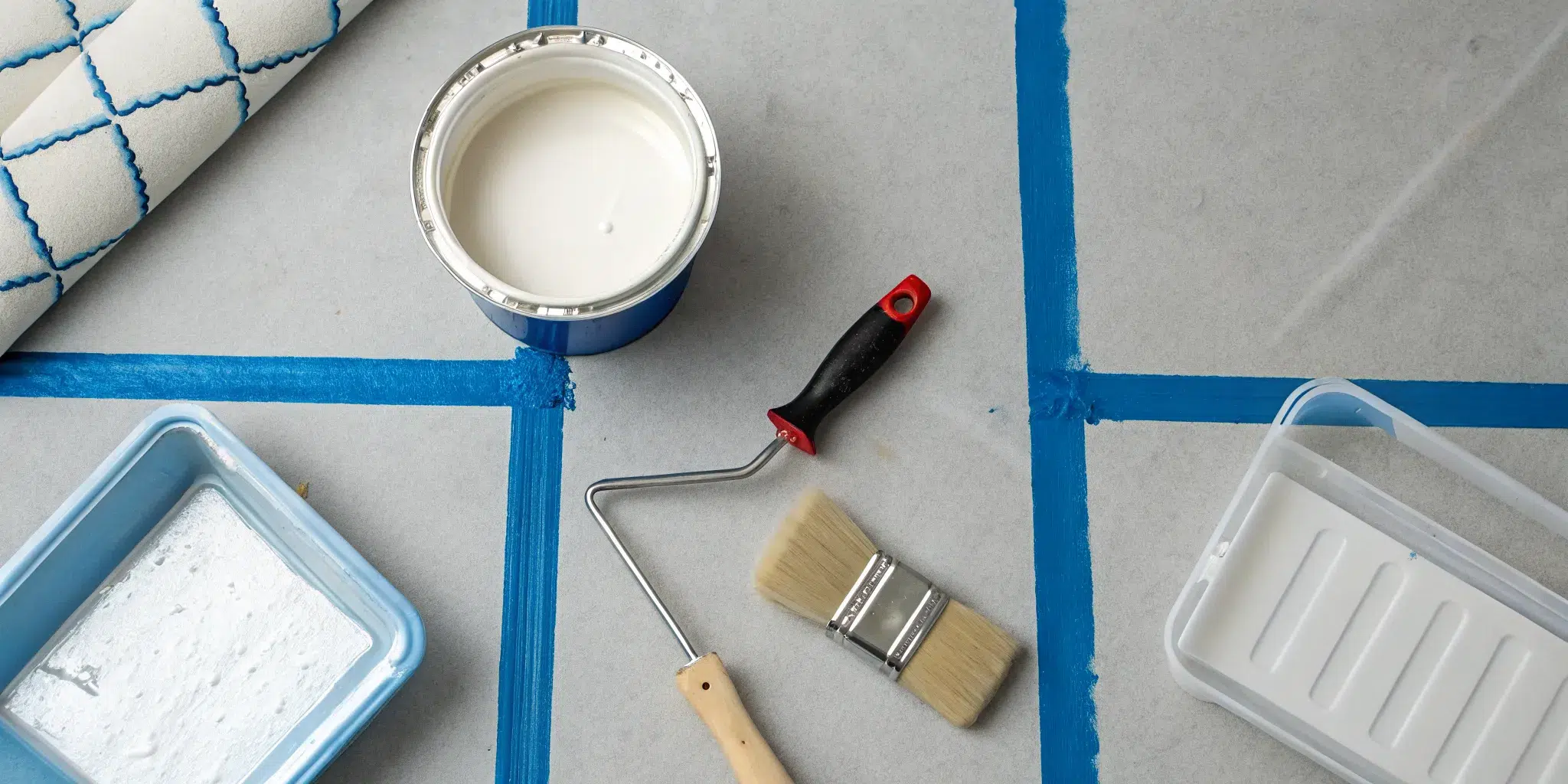
Beyond the paint, a successful project requires a whole toolkit of supplies. This includes brushes, rollers, painter’s tape, drop cloths, trays, sandpaper, and patching compounds. If you were to tackle the project yourself, you could easily spend $200 to $300 just gathering these essentials. When you hire a professional crew, we arrive with all the necessary high-quality tools and equipment. This not only saves you the upfront cost and hassle of buying everything yourself but also ensures the job is done efficiently and cleanly with the right tools for every detail, from sharp lines to smooth walls.
What Do Painters Charge in the Boise Area?
When you hire a professional, you’re paying for their time, skill, and experience. In the Boise area, painters typically charge between $25 and $100 per hour. This range reflects a painter’s level of expertise, the complexity of the job, and whether they are properly licensed and insured. An experienced painter works more efficiently, makes fewer mistakes, and produces a far superior result than a novice. This expertise is what you’re investing in. Our team of house painters brings years of experience to every project, ensuring the work is done right the first time.
Why Labor Is Often the Biggest Expense
It might surprise you to learn that labor typically accounts for 60% to 90% of the total cost of a professional paint job. Why so much? Because a great paint job is all in the preparation. This is the most time-consuming part of the process and includes protecting your furniture, cleaning walls, patching holes, sanding surfaces, and applying primer. These steps are absolutely critical for a smooth, durable finish that won’t peel or chip. Rushing the prep work is a recipe for a poor-quality result, which is why our commitment to meticulous preparation is a core part of our service guarantee.
Should You Hire a Pro or DIY Your Paint Job?
Deciding whether to paint a room yourself or hire a professional is one of the biggest questions you’ll face. On one hand, DIY projects can feel rewarding and seem like a great way to save money. On the other hand, a professional paint job delivers a flawless finish without you having to sacrifice your weekend. The right answer really depends on your budget, your timeline, and how much you enjoy taping off trim. Let’s break down the pros and cons to help you make the best choice for your home.
Why Hiring a Pro Can Save You Headaches
While hiring a professional painter costs more upfront, you’re paying for more than just labor. You’re investing in expertise, efficiency, and peace of mind. A professional team has the experience and high-quality tools to deliver a durable, beautiful finish that’s hard to achieve on your own. They handle all the tedious prep work, from patching holes to sanding surfaces, ensuring the paint adheres perfectly. This detailed preparation is the secret to a job that lasts. Plus, a pro can finish a room in a fraction of the time it takes the average DIYer, freeing you up to focus on other things. You also get the confidence that comes with a service guarantee, so you know the job will be done right.
Access to Professional Discounts on Paint
One of the hidden perks of hiring a professional is their access to trade discounts. A gallon of top-tier paint can cost anywhere from $20 to $70, and those cans add up quickly. Because professional painters have long-standing relationships with paint suppliers, they can often get discounts of 20% to 40% off retail prices. This benefit is passed on to you, allowing your budget to go further. It means you can get a premium, durable paint that provides excellent coverage without paying the full sticker price. This is just one more way that hiring a pro for your interior painting project provides significant value beyond just the labor.
The True Cost of a DIY Paint Job
The biggest appeal of DIY painting is saving money on labor, but the costs can add up in other ways. First, there’s your time. A single room can easily take up an entire weekend or more, especially if you’re new to painting. Then there are the supplies: quality brushes, rollers, drop cloths, tape, and primer can quickly add up. The biggest hidden cost, however, comes from mistakes. Rushing the prep work can lead to peeling paint down the road, and an uneven application might mean you have to buy more paint and start over. What starts as a budget-friendly project can become a frustrating and more expensive ordeal than you planned for.
How to Decide What’s Right for You
So, how do you choose? Start by honestly weighing your time against your money. If you have more time than money and enjoy hands-on projects, DIY might be a great fit for a small, simple room. But if you’re short on time or tackling a large, complex space with high ceilings or detailed trim, hiring a professional is often the smarter move. Think about the room’s importance, too. For high-traffic areas like your living room or kitchen, a flawless, long-lasting finish from an expert interior painting team can make all the difference. If you’re leaning toward hiring a pro, the next step is to get a clear, detailed estimate to understand exactly what you’re paying for.
Common Mistakes That Can Blow Your Budget
A fresh coat of paint is one of the most effective ways to update your home, but a simple project can quickly go over budget if you’re not careful. A few common missteps can lead to unexpected expenses, turning your exciting refresh into a financial headache. Knowing what to watch for ahead of time helps you plan better and ensures your final bill doesn’t come with any surprises. From skimping on prep work to rushing through the planning phase, here are the most common mistakes that can inflate the cost of your painting project.
The Costly Mistake of Skipping Prep Work
It’s tempting to jump right into painting, but skipping proper surface preparation is a recipe for a costly do-over. Think of prep work as the foundation for your paint job; if the foundation is weak, the final result will be too. Proper prep is essential for a smooth, long-lasting finish and includes cleaning walls, patching holes, sanding rough spots, and applying primer. When you cut corners here, paint can peel, bubble, or crack, forcing you to spend more time and money fixing it later. Our expert interior painting services always include meticulous prep work because we know it’s the only way to guarantee a beautiful, durable result that protects your investment.
Why Inaccurate Measurements Cost You Money
Guessing how much paint you need is a gamble that rarely pays off. Buying too little means a last-minute trip to the store (where you might find the color is out of stock), while buying too much is simply a waste of money. Beyond the paint itself, a vague estimate from a painter can lead to misunderstandings and unexpected costs. If details like minor repairs, extensive trim work, or cleanup aren’t clearly outlined in the initial quote, you could face additional charges later. That’s why we prioritize clear communication and detailed estimates, ensuring you know exactly what you’re paying for from the start.
How the Wrong Paint Can Ruin Your Project
The paint aisle can be overwhelming, and it might seem smart to grab the cheapest can. However, using low-grade paint often costs you more in the long run. Cheaper paints typically have poor coverage, meaning you’ll need to apply more coats to get the job done, which adds to your material and labor costs. They also tend to be less durable, scuffing and staining easily, which leads to more frequent touch-ups and repaints. Investing in high-quality paint from the beginning ensures better coverage and a finish that stands the test of time. As professional house painters, we can help you select the right paint and finish for your space and lifestyle.
The Danger of a Rushed Painting Estimate
When you’re excited to start a project, it’s easy to rush through the planning phase. But quickly accepting the first estimate you get can lead to overlooking important details that result in higher costs down the road. Take your time to get a few detailed quotes from reputable painters. A thorough estimate should break down the costs for labor, materials, and prep work, and clearly state what is and isn’t included. Rushing this process can mean missing red flags or failing to ask important questions. Our customer reviews often highlight our transparent and thorough quoting process, which is designed to give you complete confidence before we pick up a brush.
Hidden Painting Costs to Watch Out For
When you get a painting quote, it’s easy to think you have the final number. But a few things can pop up that might not be included in that initial estimate. A good painter will always be upfront about potential extra costs, but it helps to know what to look for so you can plan your budget without any surprises. Being aware of these common variables ensures you have a clear picture of the total investment from start to finish.
Will You Need Major Wall Repairs?
A fresh coat of paint can only look as good as the surface underneath it. If your walls have significant cracks, holes from old fixtures, or water damage, they’ll need to be repaired before any painting can begin. While minor fixes are often part of the standard prep work, more extensive repairs require extra materials and labor. As the team at ALLBRiGHT 1-800-PAINTING notes, “Things like major wall repairs or needing extra coats to cover a dark color can add to the final bill.” Our expert interior painting service always includes a thorough inspection to identify these issues early on.
Is Furniture Moving Included in Your Quote?
Getting a room ready for paint involves more than just opening a can. All the furniture needs to be moved to the center of the room or another space entirely, and everything must be covered to protect it from drips and splatters. According to Fixr.com, “Before painting, move furniture, cover floors, clean the walls, tape off areas like outlets and trim, and fill any holes or cracks.” While some homeowners prefer to handle this themselves to save on labor costs, many professional services include this as part of their process. Just be sure to clarify if this prep work is included in your quote.
How the Time of Year Affects Painting Prices
Like many home improvement services, painting has a busy season. Most people schedule projects for the spring and summer, which means painters are in high demand. If you can be flexible with your timing, you might be able to save some money. It’s a good idea to “try to schedule your painting project in the fall or winter,” as painters are less busy then, which could lead to better pricing or more open schedules. Planning ahead can make a real difference in your final cost.
The Unexpected Cost of Needing Extra Coats
Sometimes, one or two coats just won’t cut it. If you’re making a dramatic color change, like painting a light color over a dark one, you’ll almost certainly need an extra coat of paint and possibly a primer. The texture of your walls can also affect how much paint is needed. As Fixr.com points out, “Things like painting ceilings, moving furniture, painting trim/doors/windows, repairing walls, or removing old wallpaper will add to the total cost.” Always discuss these details with your house painters to get an accurate idea of the paint and labor required.
Permits, Taxes, and Hazardous Materials
You can breathe a sigh of relief—you won’t need to pull a permit just to paint your living room. However, other regulatory costs can sometimes come into play, particularly concerning hazardous materials. If your home was built before 1978, it might have lead-based paint. Safely managing this material is a serious job that requires certified professionals who follow specific EPA guidelines to prevent contamination. This specialized work adds to the project’s cost but is non-negotiable for your family’s health and safety. Larger commercial painting projects can also face strict rules for waste disposal. A reputable painter will know how to handle these regulations and will include any compliance costs in your quote, so the job is done safely and legally, with no surprise fees.
Smart Ways to Save on Your Next Painting Project
A fresh coat of paint is one of the most impactful ways to update your home, but that doesn’t mean you want to overspend. The good news is that you don’t have to sacrifice a professional finish to stick to your budget. With a little planning and some smart strategies, you can get the beautiful results you want without breaking the bank. Here are a few practical ways to save money on your next painting project.
Save Money by Painting in the Off-Season
Timing can make a big difference in the cost of your project. Most people think about painting in the spring and summer, which makes it the busiest season for painters. If you can be flexible, consider scheduling your project during the off-season, like in the fall or winter. With fewer exterior jobs possible, painters often have more availability for expert interior painting and may offer more competitive pricing. Booking during these slower months could lead to savings and more scheduling flexibility, making it a win-win for your calendar and your wallet.
For an accurate quote tailored to your room, contact our Boise house painting services for a free estimate.
Handle Some Prep Work to Lower Your Bill
A significant portion of any painting budget goes toward labor, and prep work is a time-consuming part of that. If you’re willing to roll up your sleeves, you can handle some of the simple prep tasks yourself to cut down on labor hours. This could include moving furniture away from the walls, taking down photos and wall hangings, and removing outlet covers and switch plates. Just be sure to discuss this with your painting contractor beforehand. Clear communication ensures that your efforts will actually save you money and won’t interfere with the team’s professional process.
Buy the Right Amount of Paint the First Time
It might seem counterintuitive, but choosing a higher-quality paint is a great way to save money. Premium paints may cost more per gallon, but they provide better coverage and durability. This means you’ll likely need fewer coats to get a rich, even finish, which saves on both paint and the labor it takes to apply it. A more durable paint also holds up better to daily life, so you won’t have to repaint as soon. A professional company stands by its work, and using quality materials is a key part of our service guarantee.
Why You Should Always Get Multiple Quotes
When you’re ready to hire a professional, don’t just go with the first price you get. It’s always a good idea to get at least a few written quotes from different reputable painters. A trustworthy quote will be detailed and transparent, breaking down the costs for labor, materials, prep work, and cleanup. This allows you to compare offers accurately and understand exactly what you’re paying for. Vague estimates can hide unexpected costs, so look for a company that is clear and upfront. Pairing detailed quotes with a look at recent customer reviews will give you a complete picture of who you’re hiring.
Bundle Rooms to Avoid Minimum Charges
If you have a small room on your to-do list, like a powder room or a small office, consider what other areas might also need a refresh. Many painting companies have a minimum charge for a day’s work to cover the time it takes for travel, setup, and cleanup. As one homeowner noted, this means “a small room might cost almost as much as several small rooms.” By bundling a few projects together, you maximize the value of the painter’s time on-site. This is true for both homes and businesses; painting a few offices at once is more efficient than scheduling them separately. This approach ensures you get more for your money and cross more projects off your list with a single visit from a professional commercial painting team.
Always Plan for a Contingency Fund
Even with the most careful planning and a detailed quote, home improvement projects can sometimes reveal surprises. Once furniture is moved and prep work begins, you might uncover hidden issues like hairline cracks that need filling or minor water damage from a long-forgotten leak. To avoid having these discoveries derail your budget, it’s wise to plan for the unexpected. A good rule of thumb is to set aside a contingency fund of about 10% to 15% of your total project cost. This buffer ensures you can handle minor, unforeseen repairs without stress. It’s a smart financial strategy that provides peace of mind, and for larger projects, exploring financing options can also help manage your overall investment comfortably.
Keep Leftover Paint for Future Touch-Ups
Life happens, and with it comes the occasional scuff, ding, or mark on your newly painted walls. That’s why it’s always a great idea to keep a small amount of leftover paint for future touch-ups. Having the exact color and finish on hand makes fixing minor blemishes simple and seamless, preventing a noticeable patch from a slightly mismatched color. When your project is complete, ask your painter to leave you with any leftover paint, clearly labeled with the color name, brand, and the room where it was used. This small step is part of our commitment to your long-term satisfaction and ensures you can easily maintain that flawless, professional finish for years to come, which is a core part of our service guarantee.
How to Read and Compare Painting Quotes
Once you have a few quotes in hand, it’s time to compare them. But it’s not just about finding the lowest price. A great quote tells a story about the quality of work you can expect. Understanding what to look for will help you choose a painter who will deliver beautiful, lasting results without any surprise costs along the way. A clear, detailed quote is the first sign of a professional company that values transparency and stands behind its work with a solid service guarantee.
What a Good Painting Estimate Should Include
A professional painting quote should be a detailed, itemized document, not just a number scribbled on a business card. Vague estimates are a major red flag because they leave room for unexpected charges later. Your quote should clearly outline the scope of work, including which surfaces will be painted, the specific prep work involved, the type and brand of paint to be used, and the number of coats. It should also specify what’s included for cleanup. A thorough estimate protects you and ensures everyone is on the same page before the first can of paint is opened.
Don’t Skip This Step: Check Credentials and Reviews
Before you commit, do a little homework on the company. Are they licensed and insured? This is non-negotiable, as it protects you from liability in case of accidents. Next, see what past clients have to say. A company’s reputation is one of its most valuable assets. You can learn a lot about their professionalism, communication, and quality of work by reading through their customer reviews. Getting quotes from a few different trusted professionals is always a smart move, as it gives you a better sense of the market rate and helps you spot any outliers.
Clarify What’s Included (and What Isn’t)
Comparing quotes is only effective if you’re comparing apples to apples. A comprehensive quote should break down the costs for both labor and materials. It typically covers the cost of paint and primer, basic surface preparation like patching small holes and caulking, and the application of two finish coats. Make sure you understand what’s covered. For example, does the price include painting ceilings, trim, and doors, or are those extra? A trustworthy painter will be happy to walk you through every line item so you know exactly where your money is going.
Understanding Payment Schedules and Financing Options
A professional paint job is an investment in your home, and it’s important to understand how payments are handled. Most professional painters will require a deposit to secure your spot on their schedule and cover initial material costs, with the final balance due upon completion. However, you don’t have to let a lump-sum payment delay your project. Many homeowners find that using financing options allows them to complete necessary updates without waiting. Recognizing that managing project costs is important, many companies now offer flexible payment plans. We want to make the process as smooth as possible, which is why we provide straightforward financing options to help you get the beautiful results you want, right when you want them.
Spotting Red Flags in a Painting Quote
A quote that seems too good to be true probably is. Be cautious of extremely low bids, as they often signal that corners are being cut. Some painters might skip essential prep work or use low-quality “contractor grade” paint that won’t last, leading to peeling and fading down the road. Another red flag is a demand for a large cash deposit upfront. A professional service like our expert interior painting will have a clear payment schedule. Trust your gut; if a quote feels off or the painter is evasive with their answers, it’s best to walk away.
Related Articles
- Painting House Interior Cost: The 2026 Price Guide
- How to Hire Interior House Painters: A Guide
- Hiring Boise House Painters? Read This First
- Exterior House Painting Rates: What to Expect
- The Ultimate Guide to Commercial Painting Contractors
Frequently Asked Questions
How can I get an exact price for my room? The best way to get a precise cost is to schedule a detailed estimate. While the averages in this post give you a great starting point for your budget, every room is unique. A professional will come to your home to measure the space, assess the condition of your walls, and discuss the specific paint and finish you want. This allows us to provide a transparent, itemized quote with no surprises.
Is it really worth paying for high-quality paint? Absolutely. It might seem like a good place to save money, but using cheaper paint often costs more in the end. Premium paints provide much better coverage, so you typically need fewer coats. This saves on both material and labor costs. They are also far more durable, meaning the finish will resist scuffs and stains and look great for years longer than a budget option.
Why does labor make up such a large part of the cost? Labor is the biggest expense because a professional paint job is so much more than just rolling color on a wall. The majority of the time is spent on meticulous preparation. This includes protecting your floors and furniture, cleaning the walls, filling holes, sanding surfaces smooth, and applying primer. This detailed prep work is what creates a flawless, long-lasting finish.
Can I lower the cost by doing some of the prep work myself? You can. If you’re comfortable with it, handling tasks like moving furniture, removing wall hangings, and taking off outlet covers can reduce the total labor hours on your bill. The key is to discuss this with your painter beforehand to make sure everyone is on the same page. This ensures your efforts will translate into savings without interfering with the team’s workflow.
How long does it typically take to paint a room? For a standard-sized room, a professional crew can usually complete the job in one to two days. The first day is often dedicated almost entirely to preparation, like patching, sanding, and priming. The second day focuses on applying the final coats of paint. Larger rooms or projects with intricate details, like trim and ceilings, might take a bit longer to ensure a perfect result.