
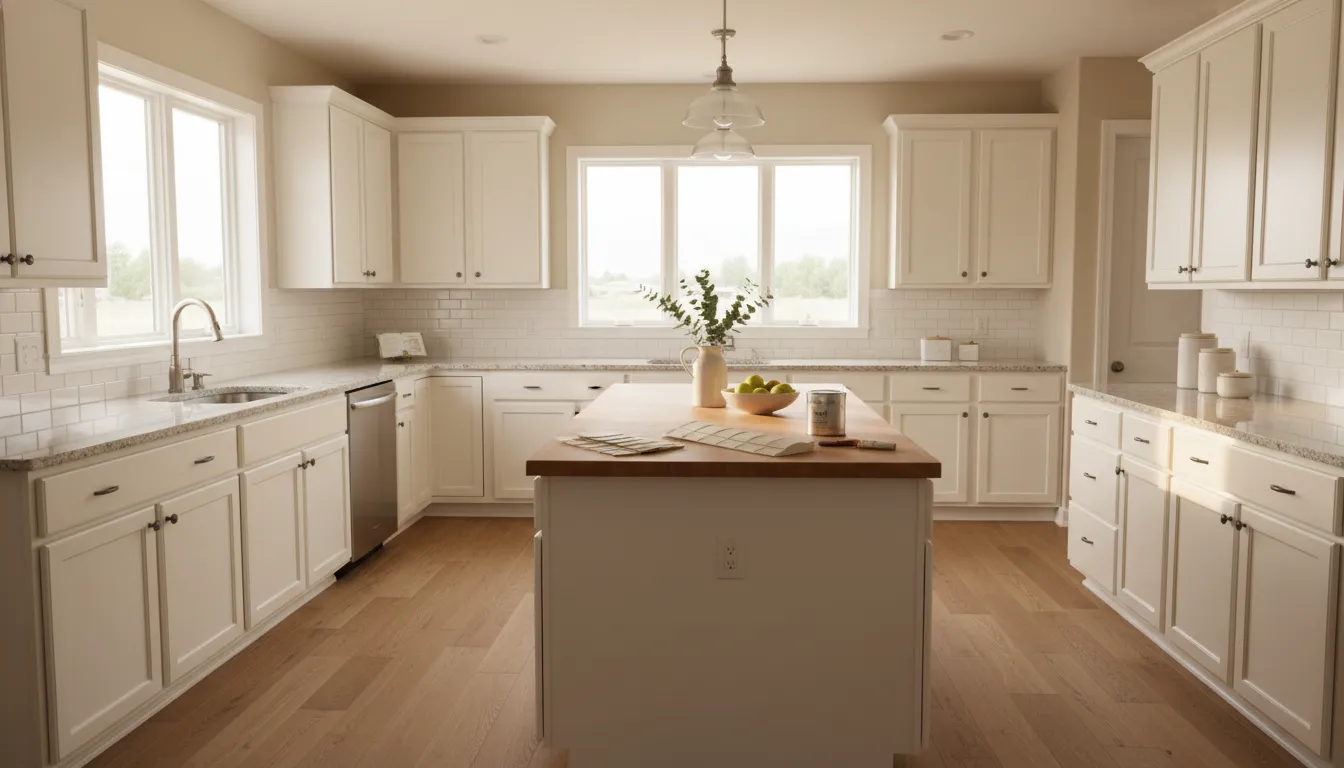
A tired cabinet finish does not mean your Boise kitchen needs demolition. If the cabinet boxes are sound, the right surface update can change the room without a full rebuild.
Request a free cabinet estimate to compare practical options for your kitchen and finish goals.
In short: Cabinet refinishing Boise is the decision point for homeowners choosing between restoring wood character, applying a fresh painted finish, or replacing cabinets that no longer work. Refinishing can preserve a stain-grade look, while cabinet painting is a practical choice when sound doors and boxes need new color and a durable, even surface. Replacement makes more sense when layout, storage, or damaged cabinet structure must change, but it brings more removal and disruption. If you are considering painting instead of full replacement, our guide to professional kitchen cabinet painters can help you decide. For a painted update, preparation matters most: cleaning, repair, sanding, and priming create the base for long-term wear. Paint Boise states that premium cabinet painting can last 8-10 years with proper care, and its cabinet painting service follows a careful six-step process. For a detailed cost breakdown for painting cabinets, see our complete pricing guide. This guide helps Treasure Valley homeowners compare condition, appearance, disruption, and value before requesting an estimate.
The key question is not which option sounds newest, but which one fits your cabinet condition and the finish you want. First, compare what should stay, what can be coated, and what must change.
Cabinet refinishing Boise: choose the right update
For a Boise homeowner, the right cabinet update starts with cabinet condition, not a price tag. Paint sound doors and boxes when you want a new color and the layout still works. Refinish sound wood when you want to keep its grain. Replace cabinets when damage or a poor layout makes the existing set a weak base.
A quick choice by cabinet condition
Start by opening doors and drawers, then check the boxes, faces, hinges, and shelf supports. Surface wear can often take an updated finish. Loose joints, swollen panels, broken boxes, or a layout that frustrates you point toward repair or replacement.
- Choose painting for sound cabinets when a fresh, even color is the goal.
- Choose refinishing for sound wood when the grain and wood character should remain visible.
- Choose replacement when the structure is failing or storage and layout need a major change.
This decision also fits a repair-first approach. Research on product reuse reports that refurbishing existing goods can extend their functional life. In a kitchen, sound cabinets deserve a careful review before removal.
Painting or refinishing for sound cabinets
Painting works well when you like the cabinet style but want a clean color change. The finish depends on surface prep: cleaning, repairs, sanding, and primer. Homeowners comparing this route can review professional cabinet painting services in Boise and ask what prep is included.
Refinishing is a different choice. It preserves the look of wood while refreshing the surface, so it fits kitchens where natural grain matters. For detail on painted updates, the professional cabinet painting guide explains how a paint-based update is planned.
When replacement makes more sense
Replacement is not simply the premium option. It solves problems a new finish cannot fix, such as a failing box, an awkward layout, or poor storage. If only a few parts need help, ask whether repairs can support a finish update.
Schedule and budget should confirm the decision after the cabinet check. Painting or refinishing keeps existing cabinet parts in place. Replacement changes more of the kitchen project. A useful estimate should separate prep, finish work, needed repairs, hardware choices, and replacement scope.
Painting, refinishing, and replacement compared
Three ways to update cabinets
For homeowners researching cabinet refinishing Boise options, the right path starts with the cabinets already in place. Sound boxes and doors may suit painting or refinishing. Weak boxes, broken joinery, or a layout that fails daily use may point toward replacement.
Keeping workable cabinets also limits the need to discard usable material. Research on reused goods notes that refurbishing existing goods can extend their functional life. Condition is a practical first question, not just color or style.
| Comparison point. | Cabinet painting. | Traditional refinishing or staining. | Full replacement. |
|---|---|---|---|
| Best fit. | Sound cabinets needing a painted color change. | Sound wood worth showing through a stain or clear finish. | Damaged boxes or a layout that no longer works. |
| Visual change. | Fresh solid-color finish. | Renews or changes visible wood tone. | New door style, box design, and layout options. |
| Disruption. | Cabinets remain in place during most work. | Cabinets remain, with finish prep and coating work. | Removal and installation affect kitchen use more. |
| Waste. | Keeps existing cabinet parts in service. | Keeps existing wood cabinets in service. | Removes existing units for new cabinetry. |
| Relative investment. | Often a lower-scope update when cabinets are sound. | Investment varies with wood condition and finish goal. | Usually the largest scope of the three choices. |
| When to choose it. | You like the layout and want painted cabinets. | You like the layout and want visible wood character. | You need structural fixes or a different layout. |
When painting fits
Painting fits well when the layout works and surfaces can be prepared with care. It provides an opaque color change. This suits kitchens moving from wood tones to a clean painted finish.
Paint Boise explains preparation and finish choices in its guide to professional cabinet painting. Refinishing or staining takes a different path. It works best when homeowners want wood grain to remain part of the look.
The existing wood type, worn areas, and prior coatings affect the result. A stain cannot hide every flaw the way an opaque coating may.
When replacement needs review
Replacement may make sense when cabinets sag, split, fail to close well, or cannot support the needed storage plan. It may also fit when the kitchen layout blocks safe movement or needed function. Those decisions involve more than surface appearance.
A professional assessment is needed before choosing a finish for damaged boxes or poor layouts. An in-home review can separate surface wear from deeper problems. That step helps homeowners match the update to the cabinet condition they have.
Get an estimate for a cabinet finish update if your existing boxes are sound and you want to compare the next steps.
When is cabinet refinishing better than replacement?
Cabinet refinishing is often better when the cabinet boxes are sound and the layout still works. It fits Boise homeowners who want a new color, smoother finish, or updated style. Replacement makes more sense when damage or a poor layout is the real problem.
Cabinet boxes worth keeping
Start with the boxes, not the door color. Refinishing is a sound option when cabinet boxes stay square, shelves hold firmly, and doors and drawers still fit their openings. Surface wear or an outdated stain does not by itself call for new cabinetry.
Look closer if you find soft wood, water swelling, failing joints, loose mounting, or storage that no longer meets daily needs. Those issues point toward repair, layout changes, or replacement before a finish update.
Check how the room works during a normal week. If storage and traffic flow work well, changing the finish may answer the main concern. If shelves are too shallow or appliances do not fit, a new finish will not solve that limit.
Appearance changes and preparation
Refinishing fits a visual goal: a lighter kitchen, a current color, or a worn finish made even again. Homeowners can use Paint Boise’s professional cabinet painting guide to consider finish choices before removing useful cabinetry.
Door profiles matter, too. A solid door style that still suits the home can gain a fresh look with a new finish. If the goal is a different door design, wider cabinet update options may be a better fit.
A lasting finish starts below the top coat. Paint Boise identifies preparation as the key factor in cabinet finish life, including cleaning, repairs, sanding, and primer. The company states that premium cabinet painting can last 8-10 years with proper care.
When replacement solves more
Keeping sound cabinet boxes avoids discarding useful parts only for a different look. Research on reuse and repair reports that refurbishing existing goods can extend their functional life. This supports refinishing when cabinets still work as intended.
Choose refinishing when the boxes are stable, the layout functions well, and the desired change is mainly the finish. Choose replacement when structure, water damage, or a new layout drives the project. A careful inspection keeps the choice tied to the cabinets you have, not only to inspiration photos.
What does a professional cabinet update involve?
Homeowners looking into cabinet refinishing Boise services often want to know what happens between the estimate and the finished kitchen. A professional cabinet update is less about hiding wear and more about building a sound surface for a smooth, usable finish.
The work before the finish
Paint Boise outlines a cabinet painting process with cleaning, repair, sanding, and priming as core preparation steps. Those early stages help remove grime and surface problems before new coatings go on.
-
Clean the surfaces. Doors, drawer fronts, frames, and handled areas need grease and residue removed before finish work begins. Paint cannot form an even layer when kitchen buildup remains below it.
-
Make needed repairs. Small dents, worn edges, holes, or loose parts are addressed before a new color highlights them. This is also the time to note damaged pieces that may need more than paint.
-
Sand or degloss. A glossy old finish is made dull so primer has a better surface to hold. This step also smooths repaired areas and keeps old texture from showing through the new coat.
-
Prime the prepared cabinets. Primer creates a sound base for the selected finish and helps keep the color even. The primer choice should fit the cabinet surface and the coating used above it.
-
Apply the professional finish. Controlled application reduces marks, thick edges, and uneven sheen across doors and visible frames. A careful setup also helps keep spray and dust away from nearby rooms.
-
Allow curing, then reassemble carefully. Hardware and doors should return only when surfaces can handle normal contact. A final walkthrough lets homeowners review alignment, touch-ups, and care guidance.
Why controlled application matters
Preparation matters because cabinets face frequent touch, moisture, cooking residue, and cleaning. Even attractive color cannot correct weak adhesion or trapped grime. Research on refurbishing existing goods explains a useful point. Careful renewal can extend their useful life.
For homeowners comparing finishes, Paint Boise’s professional cabinet painting guide offers more detail about standards and options. That planning step helps clarify whether sound cabinets need a refreshed finish or more extensive work.
A clear household plan
Before work starts, ask how doors will be labeled and where finish work will occur. Also ask when the kitchen can return to use. A clear plan reduces surprises while cabinet boxes, doors, and hardware move through separate stages.
Once the finish has cured, review each door and drawer in normal light. Look for smooth coverage, clean edges, sound operation, and care directions before everyday use resumes. That is the practical difference between a quick color change and a managed cabinet update.
When should you replace cabinets instead?
Painting and refinishing update surfaces; they do not rebuild weak cabinet boxes or fix a kitchen that no longer works. If the problem is deeper than the finish, replacement may be the sound next step.
Damage below the finish
Start with the boxes, shelves, and attachment points. Replace cabinets when sides are swollen, crumbling, deeply split, or no longer holding fasteners. Water-damaged material can keep losing strength after the visible stain is covered, so paint alone is not a repair.
- Soft, swollen, or flaking material near a sink or dishwasher.
- Loose boxes, sagging shelves, or joints that will not stay tight.
- Musty odors or repeated moisture damage inside a cabinet.
When cabinet boxes are sound, a new finish can be a practical update. Research on existing goods reports that refurbishing can extend functional life. That principle does not make damaged boxes suitable for paint.
Layout and daily use
Replacement also makes sense when the cabinet plan creates daily problems. A finish cannot add wider drawers, shift an appliance, or create clear reach ranges. For a household with mobility needs, safer storage and easier access may matter more than saving the old fronts.
- Blind corners or deep shelves that waste needed storage.
- Doors and drawers that block movement or nearby appliances.
- A need for pull-outs, lower work zones, or more usable pantry space.
New storage goals can also change the answer. Replacing cabinets may fit when you need tall pantry units, more drawers, or built-ins shaped for a changed kitchen footprint.
A homeowner considering cabinet refinishing in Boise can first decide whether the current layout already serves the room. If it does, review the steps in professional cabinet painting before choosing a finish option.
An honest project scope
Some kitchens need both kinds of work. Sound built-ins may be painted, while failed base cabinets are replaced where leaks caused damage. A clear inspection separates cosmetic wear from structural failure before colors, coatings, and hardware enter the plan.
Bring replacement into the discussion when the request is really for a new layout, stronger storage, or improved access. Cabinet paint can renew a stable surface. It should not hide defects that still affect function or safety.
How can Boise homeowners plan the right cabinet project?
Start with cabinet condition and finish goals
A sound cabinet project starts with the boxes, doors, and drawer fronts you already have. Check for loose hinges, failed joints, water swelling, peeling surfaces, and damaged wood. Cabinets with a sound structure may suit painting or refinishing. Cabinets with major damage may need repair or replacement first.
Next, decide what change you want to see each day. Paint can create a clean color shift, while a wood-look goal may call for another finish path. If budget shapes your plan, review available painting financing options before comparing written bids.
Keeping sound materials in use can also be a practical choice. Research on reuse reports that refurbishing existing goods can extend their functional life. For cabinet refinishing Boise homeowners consider, condition and finish goals should guide the choice, not trends alone.
Plan for the kitchen to be in use
In Boise, Meridian, Eagle, and nearby Treasure Valley homes, the kitchen often anchors daily routines. Ask what will be removed, where doors will be finished, and when cabinets can hold dishes again. A clear schedule helps you plan meals, pets, workdays, and family traffic.
Discuss prep before approving a project. Ask how grease will be cleaned, surfaces repaired, hardware labeled, sanding handled, and primer chosen. Also ask when doors may be touched or cleaned after coating. Dry-to-touch time and cure expectations are not the same.
- Confirm which cabinets, panels, trim pieces, and hardware are included.
- Ask how floors, counters, appliances, and adjoining rooms will be protected.
- Request the planned start window, work sequence, and cure guidance in writing.
- List any hinge, handle, or drawer changes before the scope is priced.
Compare a written scope, not a quick promise
A useful estimate should describe the cabinet condition, chosen finish, prep steps, coating plan, included repairs, and cleanup. It should also state exclusions and payment terms. This lets you compare fit and disruption, instead of choosing from a price alone.
Choose a provider who will say when painting is a fit and when it is not. If existing boxes are weak or layout changes matter most, a different project may be wiser. Honest guidance early can prevent an attractive finish from hiding a poor plan.
Trust details matter when the work affects a central room in your home. Paint Boise states that cabinet projects include no deposit and payment when satisfied. Review its project guarantee before agreeing to a scope. Ask that the written proposal match the terms you understand.
Questions to ask before scheduling a cabinet estimate
Cabinet condition and project scope
A useful estimate starts with what is there now, not just a new color. Ask whether the boxes, doors, and drawers are sound enough to keep. Refinishing existing goods can extend their working life. This point is supported by research on refurbishing and product life. Loose joints or water damage may change the right scope.
Before meeting a contractor for cabinet refinishing Boise homeowners can note each area that needs work. Include kitchen cabinets, island panels, bathroom vanities, or built-ins. Ask if the proposal covers doors, drawer fronts, boxes, end panels, trim, shelves, and hardware. A written scope keeps the estimate clear and avoids surprises later.
- Are any cabinets too damaged for a coating or finish update?
- Will hardware stay, be removed, or be replaced?
- Are repairs, caulking, or new holes included in the price?
- Which rooms and cabinet surfaces are included or excluded?
Preparation and finish choices
Preparation affects how finished cabinets look and hold up through daily use. Ask how doors and drawers will be labeled, removed, cleaned, sanded, repaired, primed, and coated. To understand a full project, review this guide to professional cabinet painting before the estimate.
Be clear about the look you want. Ask whether your cabinet material suits paint, a stain update, or another finish. Request the product type, sheen, color process, and a sample option in writing. Also ask who protects counters, floors, appliances, and nearby rooms during the work.
- What cleaning, sanding, priming, and repair steps are included?
- Where will doors and drawer fronts be coated?
- What finish options suit the current cabinet material?
- How will dust, spray, and tracked mess be controlled?
Schedule, cure time, and closeout
An estimate should explain the work schedule as well as the finish. Ask when the kitchen can be used, when doors return, and when normal cleaning may begin. Fresh coatings may need careful use after installation. Request cure guidance, touch-up steps, cleanup duties, warranty terms, and exclusions in writing.
Gather these answers in a written proposal before you choose a path. Compare scope, prep steps, finish details, access, cleanup, and exclusions, not only total price. When you are ready to discuss your cabinets, an estimate request is one option for planning the next step.
Frequently Asked Questions
Is cabinet refinishing cheaper than replacing cabinets?
For cabinets with sound boxes and a layout you want to keep, refinishing or painting generally costs less than removing and replacing cabinets. Replacement adds materials, installation, and possible countertop or hardware work. Paint Boise identifies cabinet painting as a cost-effective alternative to full remodeling. A quote should still account for door condition, needed repairs, finish choice, and project scope.
How long does cabinet refinishing take?
A cabinet refinishing or painting schedule depends on the number of doors, repairs, coating system, drying times, and whether work occurs off-site. The process should allow time for preparation and cure, not just color application. Paint Boise describes a six-step cabinet painting process that includes cleaning, repairing, sanding, and priming. Request a written timeline after the cabinets are assessed.
Does cabinet refinishing increase home value in Boise?
No cabinet finish can guarantee a specific increase in a Boise home’s resale value. An updated finish can improve appearance when cabinet boxes are sound and the kitchen layout works. Buyers may also care about durability, workmanship, and overall kitchen condition. If resale is your goal, compare the finish investment with repairs and broader updates before choosing painting, refinishing, or replacement.
How do I choose between cabinet painting and refinishing?
Choose cabinet painting when boxes and doors are sound and you want a new opaque color. Choose refinishing when you want to renew or preserve a wood-look finish. Consider replacement if boxes are damaged, layout changes are needed, or storage no longer works. Paint Boise notes that cabinet options should balance budget, cabinet condition, and desired aesthetic updates.
Ready to choose a smarter cabinet update in Boise?
Waiting on worn or dated cabinets can keep your kitchen from matching how you want your home to look and work. Delaying the decision can also leave you comparing options again later, while cabinet surfaces continue to need attention. Starting now lets you clarify the right level of work, plan the project around your schedule, and choose with confidence.
A comparison is useful, but your cabinets, finish goals, and household schedule determine what approach makes practical sense. Ready to move from options to a clear next step? Request a free cabinet painting estimate to discuss your cabinets and the finish you want. Contact Paint Boise now to start planning an update that fits your home, priorities, and timeline.