
Painting on plaster takes more than rolling a new color over the wall. Plaster can be firm and durable, but it may also contain hairline cracks, loose areas, old oil-based coatings, or moisture damage that telegraphs through a fresh finish. In Boise and the Treasure Valley, a careful inspection and compatible primer help the new paint bond and look even.
Request a professional interior painting quote for your Boise home.
What is different about painting plaster walls?
Plaster is a layered wall surface made from a hardened coating over lath or another backing. Unlike modern drywall, it is not a paper-faced gypsum panel with a uniform, absorbent surface. That difference affects repairs, drying, primer selection, and how much pressure the wall can tolerate during sanding.
| Consideration | Plaster wall | Drywall |
|---|---|---|
| Surface | Hard, layered, and often textured or slightly irregular | Gypsum core with a paper face and seams |
| Common defects | Hairline cracks, loose keys, delamination, and old patching | Joint cracks, nail pops, dents, and torn paper |
| Preparation risk | Over-sanding or aggressive scraping can loosen sound plaster | Excess sanding can expose or fuzz the paper face |
| Primer need | Depends on porosity, repairs, old coating, and product compatibility | Often benefits from drywall or new-surface primer, especially over repairs |
That does not mean every plaster wall needs a complicated restoration. It means the surface should be diagnosed before products are chosen. A smooth-looking wall can still have weak spots, and a textured wall can hide a crack that will reopen after painting.
How should you inspect plaster before painting?
A useful plaster inspection identifies whether the wall is sound, clean, dry, and ready for coating. Look for movement, powdering, staining, peeling, and cracks rather than judging readiness by appearance alone. If a wall feels firm and dry, only minor preparation may be needed. If it flexes or sheds material, pause before painting.
- Check for movement. Press gently around cracks and loose-looking areas. A soft, hollow, or moving section needs more attention than a stable hairline crack.
- Look for active moisture. Brown stains, bubbling paint, recurring dampness, or a musty odor may point to a plumbing, roof, window, or ventilation issue. Painting is not a substitute for correcting the source.
- Test the existing coating. Peeling, chalking, or widespread flaking indicates that the old coating may not provide a reliable base. A small inconspicuous test area can help identify adhesion problems.
- Inspect repairs and transitions. Check corners, around windows, behind radiators, and places where earlier patching meets original plaster. Differences in porosity can show through the finish.
- Check for lead-safe concerns in older homes. Avoid dry-sanding unknown old coatings. Older Boise-area homes may require a qualified assessment and lead-safe preparation before disturbance.
Documenting the wall condition also helps set an honest scope. Small surface imperfections can often be repaired during preparation, while widespread detachment, recurring moisture, or structural movement may call for a specialist before a painting contractor applies finish coats.
How do you repair plaster before painting?
Plaster repair should restore a stable surface without turning every small imperfection into a large demolition project. The correct method depends on whether the defect is a surface crack, a shallow divot, a failed patch, or loose plaster. Remove only unsound material, control dust, and allow repairs to dry fully before priming.
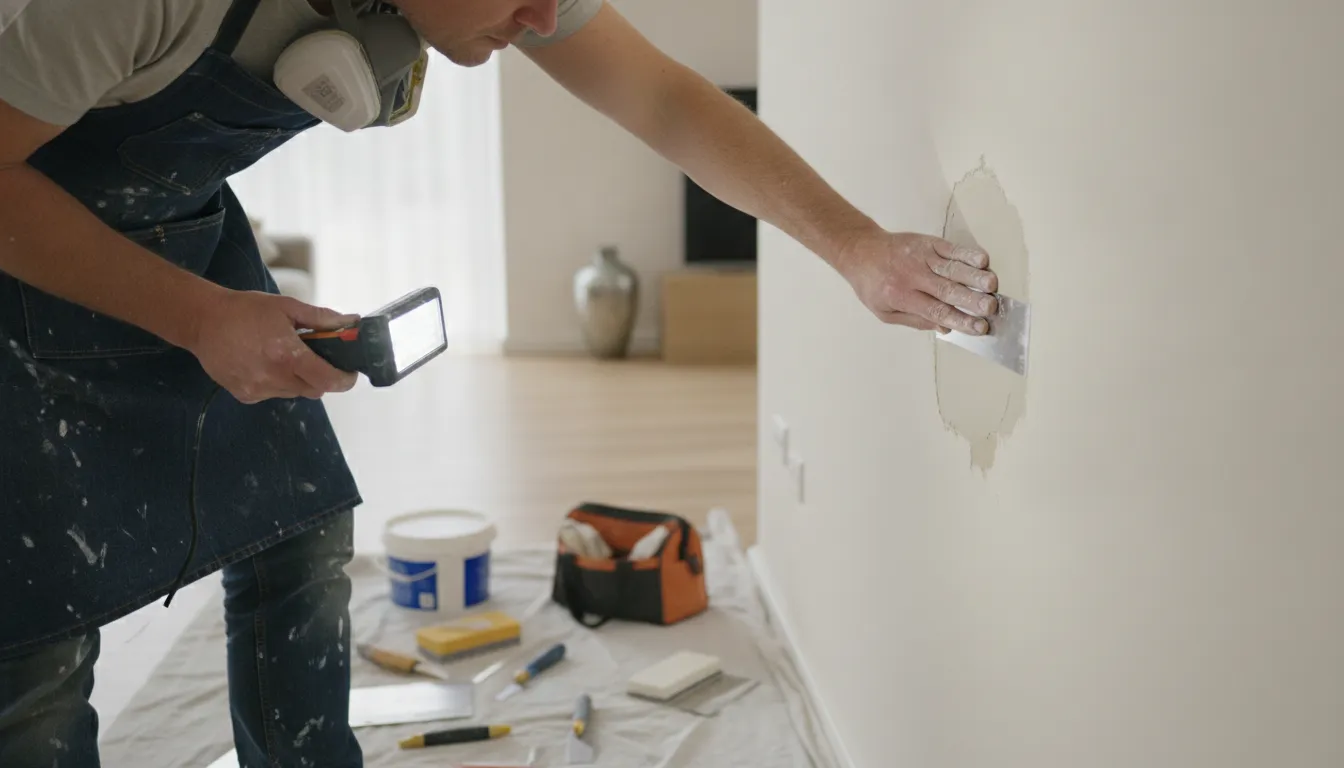
- Hairline, stable cracks: Clean away loose dust, use a compatible repair product, and feather the edges so the transition is not visible through the finish.
- Small dents or nail holes: Fill in thin applications, let each layer dry, and sand only as much as needed to smooth the repair.
- Loose or hollow areas: Do not simply cover them with primer. A loose section may need to be secured or repaired before coating.
- Peeling paint: Remove unstable coating carefully, smooth the edges, and test the remaining surface before committing to the full wall.
- Recurring cracks: If a crack continues to reopen, identify movement or a substrate issue before applying another cosmetic patch.
Plaster repair is not the same as drywall repair. Drywall compound may be useful for some minor surface defects, but product choice and application should follow the condition of the plaster and the manufacturer’s instructions. For a useful comparison of substrates, review Paint Boise’s guide to drywall repair before painting without treating the two surfaces as interchangeable.
What primer works best for painting on plaster?
The best primer for plaster is the product that matches the wall’s condition, porosity, existing coating, and intended finish. A porous repair may need a sealer or compatible drywall and masonry surface primer, while a sound wall with an intact coating may need an adhesion-focused primer. Always follow the product label and test first.
Primer selection usually falls into these practical situations:
- New or very absorbent repair areas: Use a primer or sealer intended to reduce uneven absorption and prevent patchy sheen.
- Sound plaster with a stable, previously painted surface: Clean and degloss as needed, then use a compatible interior primer when the paint manufacturer recommends it.
- Chalky or dusty areas: Remove loose residue and address the surface before relying on primer to hold it together.
- Glossy or oil-based old coatings: Clean, lightly prepare, and choose an adhesion primer that is approved for the existing surface.
- Water stains or suspected moisture: Correct the moisture source first. A stain-blocking primer may help after the surface is dry, but it will not fix an active leak.
Primer is not automatically better when applied in more coats. The goal is a uniform, sound base that the finish paint can bond to. For broader guidance on where primer fits in an interior project, see Paint Boise’s article on when and why to use paint primer, then adapt that advice to the plaster’s condition.
Talk with Paint Boise about the right preparation plan for your plaster walls.
What paint and sheen should you use on plaster walls?
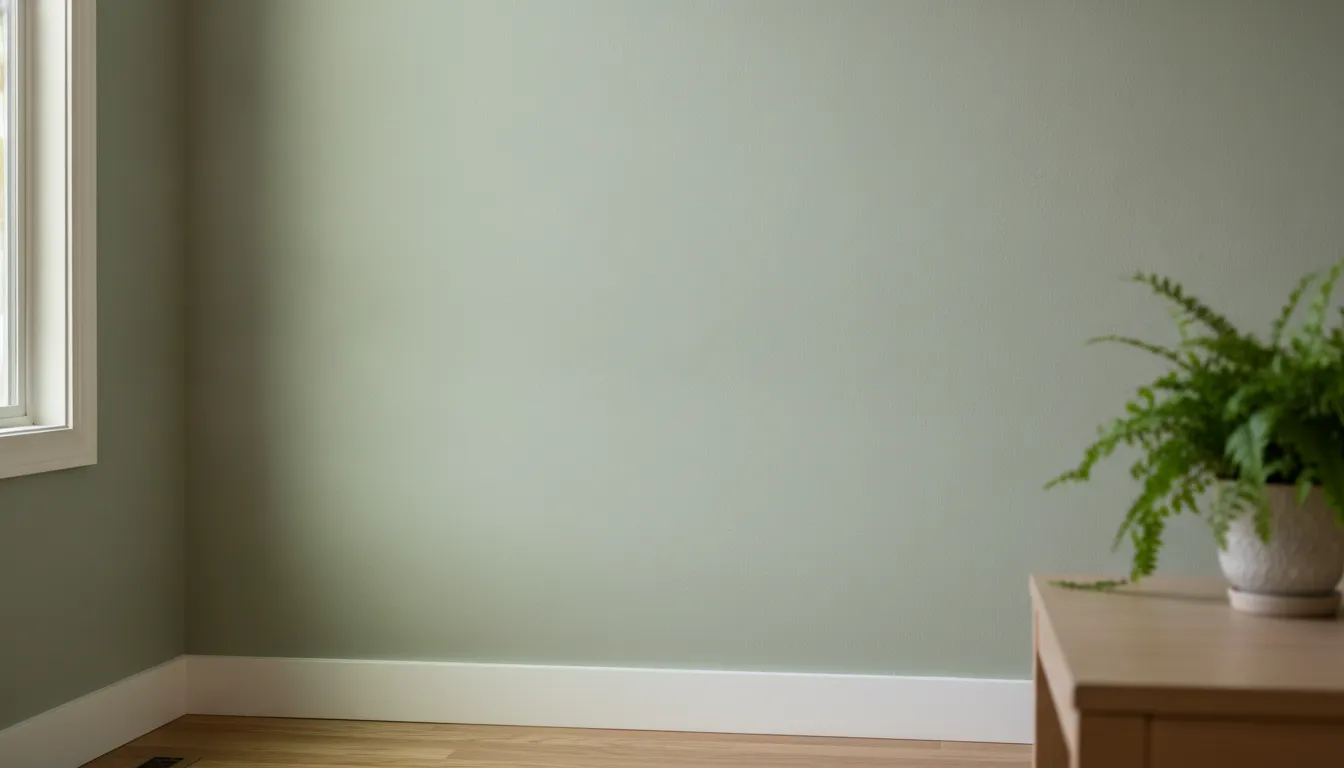
Most interior plaster walls can be finished with a quality interior acrylic or latex paint when the surface is stable, dry, and properly prepared. The finish should reflect the room’s use and the amount of wall texture. A low-sheen finish can soften minor irregularities, while washable satin may suit higher-traffic spaces when the wall is smooth enough to show sheen evenly.
- Flat or matte: Useful when minimizing reflected light is a priority, though it may be less forgiving to clean repeatedly.
- Eggshell: A common middle ground for living areas because it offers some washability without a high-gloss look.
- Satin: More reflective and often considered for hallways, kitchens, or other areas that need regular cleaning, provided the wall is evenly prepared.
- Trim and doors: A higher sheen may be appropriate for woodwork, but use a product designed for that surface rather than treating trim like plaster.
Color can also reveal surface variation. Dark or highly saturated colors may make patching and texture changes more noticeable, especially in side light. A sample area viewed in morning and evening light is a practical way to evaluate both color and sheen before coating the entire room.
What is the right order for painting plaster walls?
A reliable sequence keeps dust, repairs, primer, and finish coats from working against one another. The basic order is inspect, correct moisture, clean, repair, prepare, prime, cut in, roll, and allow the coating to cure according to the label. Rushing between steps can lock in visible defects.
- Protect floors, furniture, trim, and nearby surfaces.
- Remove dust and surface residue using a method appropriate for the wall and existing coating.
- Scrape or feather only unstable paint and repair areas that need attention.
- Complete repairs and let them dry fully.
- Sand or degloss carefully where the product instructions call for it, avoiding aggressive pressure.
- Spot-prime repairs and then apply a full primer coat when the wall condition requires uniform coverage.
- Apply the finish paint in even sections, maintaining a wet edge and avoiding overworking partially dried paint.
- Inspect under natural and work lighting, then complete appropriate touch-ups after the coat has set.
Boise’s dry seasons can make some coatings feel fast-drying at the surface, but surface dry is not the same as full cure. Follow the paint label for recoat timing and ventilation, and avoid washing or heavily using the wall until the coating has had adequate time to harden.
When should you hire a professional interior painter?
Professional help is the safer choice when plaster is loose, moisture-damaged, extensively cracked, coated with unknown older paint, or important to preserve. It can also make sense when a homeowner wants a consistent finish across a large room, has limited ventilation or access, or needs preparation and painting coordinated without flattening the character of the wall.
Consider a professional assessment when:
- Cracks return after simple repairs or extend across multiple areas.
- Paint is peeling across a broad section rather than in one isolated spot.
- The wall has stains, dampness, bubbling, or a suspected leak.
- You are unsure whether an old coating can be safely disturbed.
- Plaster detail, curved corners, or historic features must be protected.
- You want help matching the preparation level, primer, sheen, and color to the room.
Paint Boise provides professional interior painting in Boise, including wall repairs and specialty finish work. The team can assess the surface, explain what preparation is needed, and build the project around the condition of the home rather than applying a one-size-fits-all coating system. For residential projects, the broader house painting service also covers interior work throughout the Treasure Valley.
Get a free estimate for plaster wall preparation and interior painting in Boise.
FAQ: Painting on plaster in Boise
Can you paint directly onto plaster?
Sometimes, but the plaster should first be sound, clean, dry, and compatible with the new coating. Fresh repairs, porous areas, chalky surfaces, glossy old paint, and stains may need spot or full-surface primer. Test a small area and follow the selected product’s label before painting the entire wall.
Do plaster walls need primer before painting?
Not every previously painted plaster wall needs the same primer system, but primer is often important over repairs, porous areas, stains, or uncertain old coatings. The correct choice depends on the surface condition and the finish paint. A professional can help identify whether spot-priming or full priming is appropriate.
What paint is best for interior plaster walls?
A quality interior acrylic or latex paint is often suitable after proper preparation. Choose the sheen based on texture, room use, and cleaning needs. Eggshell is a practical option for many living spaces, while flat or matte can reduce reflected light on uneven walls. Always confirm compatibility with the primer and existing coating.
How do you stop plaster cracks from showing through paint?
First determine whether the crack is stable or linked to movement, moisture, or loose plaster. Clean and repair stable surface cracks with a compatible material, let the repair dry, prepare the transition, and prime it before painting. Recurring or widening cracks need diagnosis before repeated cosmetic repairs.
How much does it cost to paint plaster walls in Boise?
The scope varies with wall condition, repairs, access, room size, primer needs, and finish selection, so a reliable estimate requires an assessment. Paint Boise can review the plaster, explain the preparation plan, and provide a written estimate. Call (208) 254-6615 or use the contact link above to get started.
With a careful inspection, compatible primer, and enough time between preparation and finish coats, painting on plaster can produce a clean, durable result without erasing the character of the wall. When the surface condition is uncertain, an experienced interior painting team can help you solve the underlying problem before the new color goes on.