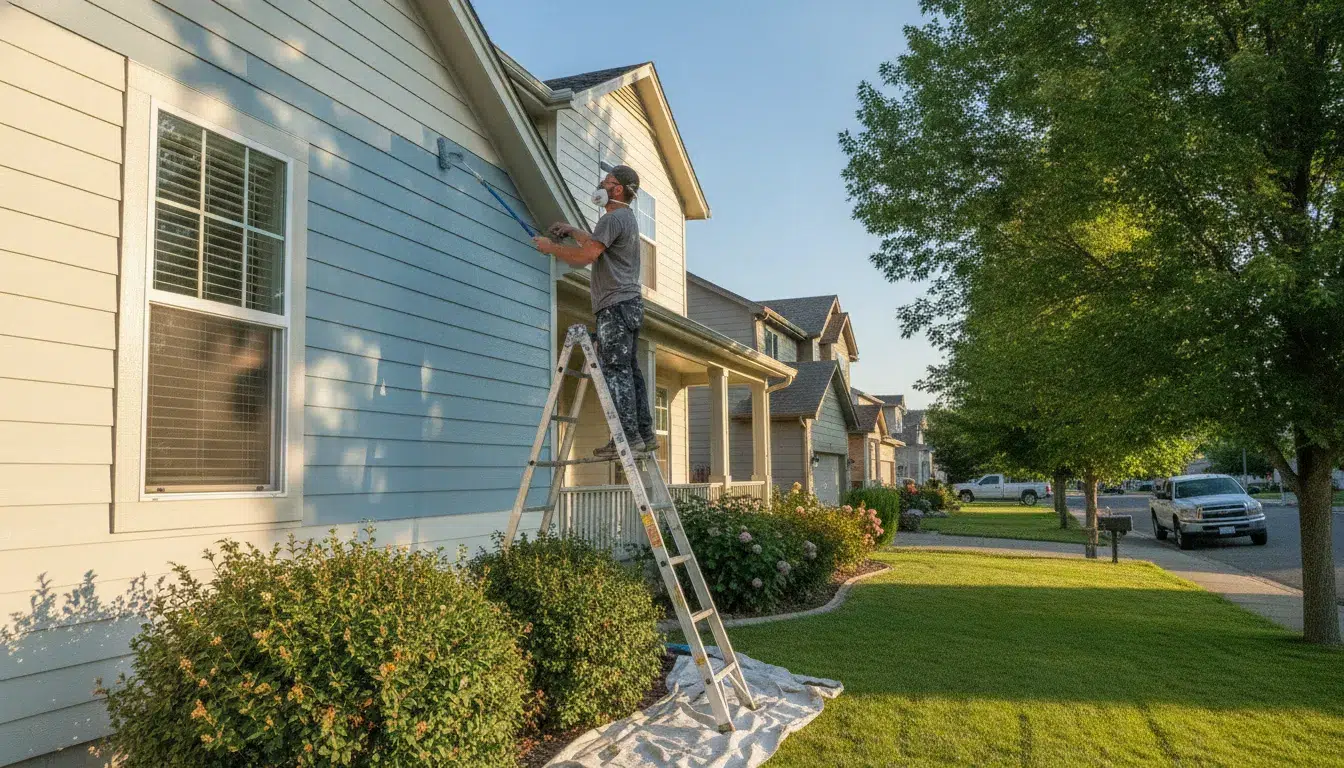
Vinyl siding is designed to handle Boise’s changing weather, but it does not have to stay the same color forever. Over time, strong Treasure Valley sun fades colors, springs bring dust and pollen. And freeze-thaw winters leave surfaces chalked and dulled long before the panels are structurally worn out. When the siding is still sound, a thoughtful refresh can bring a home back to life without the expense or disruption of full replacement.
Yes, you can paint vinyl siding successfully when the surface is clean, dry, and free of significant damage. Use a high-quality exterior acrylic coating made to accommodate vinyl’s expansion and contraction, choose a siding-safe color, and apply it in suitable temperatures and light conditions. Careful preparation and the right climate window are what separate a lasting finish from one that peels within a season or two.
Treasure Valley projects also require attention to sun exposure, temperature swings, and the condition of older siding. Before comparing paint products or planning a weekend project, it helps to understand how vinyl responds to preparation, coating, and climate. This guide walks through whether painting makes sense for your home, how to prepare the surface. Which products and colors hold up here, and how to decide between repainting and replacing your siding.
Explore professional exterior painting services for your Treasure Valley home.
Can You Paint Vinyl Siding? Yes, Here Is How It Works
Yes, you can paint vinyl siding, and it can be a practical way to refresh a home’s exterior without replacing panels that are still in good condition. The result depends on more than choosing a new color. Vinyl expands and contracts as temperatures change, so the coating must remain flexible and bond well to a properly prepared surface. The right paint and careful preparation are what keep the finish from peeling, cracking, or contributing to warped panels.
Painting makes the most sense when the siding is structurally sound but looks faded, chalky, or dated. Vinyl is durable and low maintenance, but it can lose color intensity and develop oxidation over time, according to a U.S. Department of Energy case study. A new exterior color can improve curb appeal while extending the useful life of siding that does not have major cracks, holes, loose sections, or moisture damage.
When painting is a good option
Before deciding to paint vinyl siding, inspect the panels and the areas around windows, doors, corners, and trim. Painting is generally a strong option when the siding is firmly attached, relatively flat, and free from significant structural damage. It may also be worthwhile when replacement would change the home’s character or create a larger project than needed. A professional can help distinguish cosmetic fading from problems that require repair or replacement first.
Color selection deserves special attention. A darker color than the original siding can absorb more heat, which may increase the risk of thermal warping in plastic panels. For that reason, choose a vinyl-compatible color that is similar to or lighter than the existing finish unless the paint manufacturer specifically approves another option. In Boise and across the Treasure Valley, seasonal temperature swings make a flexible, well-bonded coating especially important.
What can go wrong
Painting over dirt, oxidation, mildew, or loose material gives the new coating a weak foundation. The paint may look acceptable at first, then flake or peel as the surface and weather expose those preparation problems. Applying the wrong coating can create similar issues. Paint formulated for vinyl should accommodate movement rather than forming a brittle film that cannot keep up with the siding.
In short, you can paint vinyl siding successfully when the material is sound. The surface is cleaned and fully prepared, the color is appropriate, and the coating is designed for the job. A careful assessment at the start helps you decide whether painting will deliver the durable, refreshed exterior you want or whether replacement is the better investment.
How to Prepare Vinyl Siding for Painting
A quality finish starts with the siding, not the paint can. In the Treasure Valley, skipping preparation is one of the biggest causes of premature failure. Dust, mildew, chalky oxidation, and moisture can keep new paint from bonding properly, even when the coating itself is designed for vinyl.
Clean the siding thoroughly
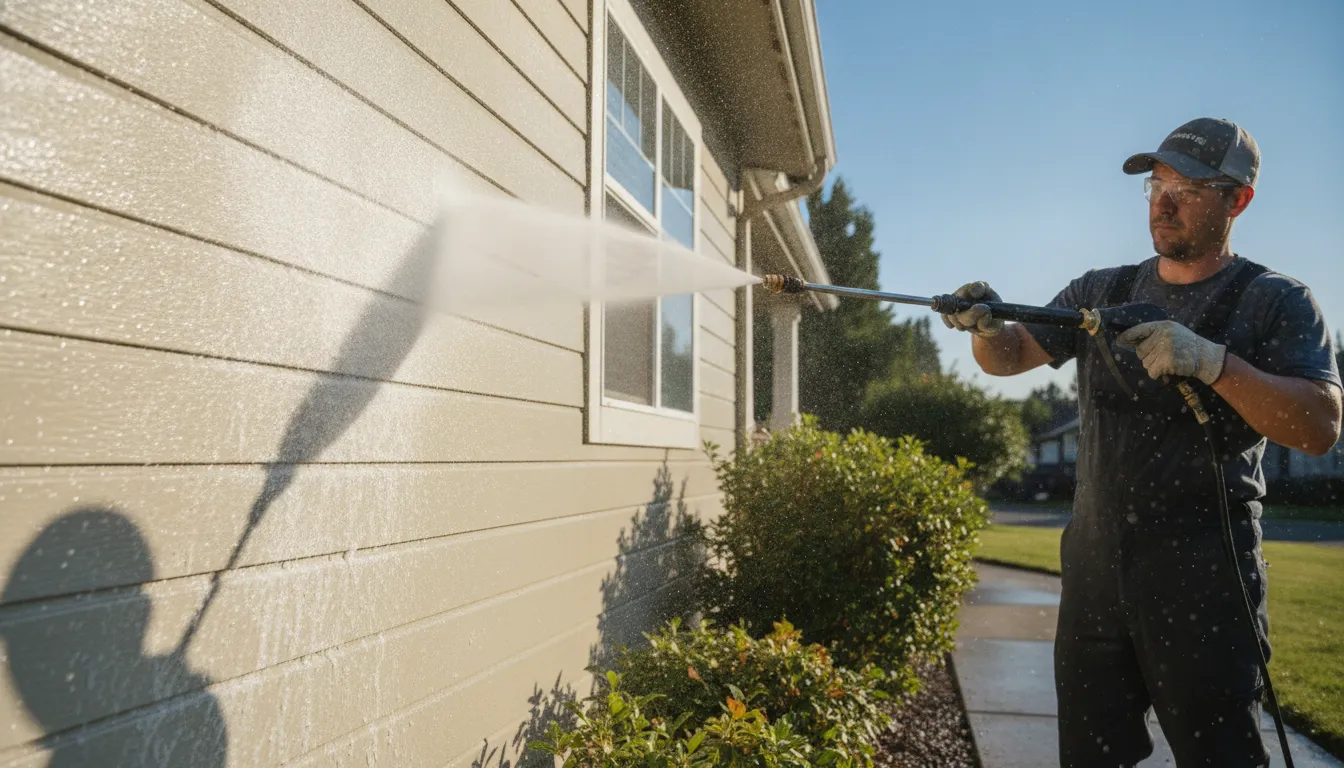
Begin by removing loose dirt, cobwebs, mildew, and other surface material. Power washing is generally the most effective cleaning method for vinyl siding because it reaches textured surfaces and lifts stubborn contamination. It also helps remove loose material that could otherwise become trapped beneath the coating. Use appropriate pressure and technique so water does not force its way behind the panels, around windows, or into trim joints.
Cleaning is not complete just because the siding looks brighter. Dirty or oxidized siding can cause the new paint to flake off quickly, according to guidance from the U.S. Department of Energy. That is especially important when you paint vinyl siding that has been exposed to Boise sun, seasonal dust, and years of weather.
Remove chalking and oxidation
After washing, inspect the surface closely for a dull, powdery film. This chalking is a sign of oxidation. A hand wipe with a clean, dark cloth can reveal whether residue is still coming off the siding. Any remaining oxidation needs to be removed using a method appropriate for the condition of the panels. Do not assume primer will hide or stabilize a loose, powdery surface. Paint needs a sound substrate beneath it.
During this inspection, look for cracked, warped, loose, or brittle panels. Check corners, seams, soffits, fascia, and areas around vents and windows. Replace or repair damaged siding before coating the broader surface. Painting over structural problems may improve appearance briefly, but it will not correct movement, gaps, or failing panels.
Allow the surface to become completely dry
Drying is a critical step that is easy to rush. The siding must be completely bone-dry before primer or paint is applied. Trapped moisture can interfere with adhesion, contribute to peeling, and create moisture pockets behind the coating. Give the siding time to dry after washing, and check shaded elevations, seams, and areas beneath overhangs rather than judging only the sunniest wall.
Once the surface is clean, stable, and dry, a professional can confirm whether spot priming is needed and plan the application around suitable weather. Careful preparation takes time, but it gives the finish a clean surface to bond with and helps the paint move with the siding through Treasure Valley temperature changes.
The Right Paint for Vinyl Siding in Boise
Vinyl siding moves with changing temperatures, so the coating needs to move with it. For most Boise-area homes, a high-quality exterior paint made with 100% acrylic resins is the safest starting point. Acrylic latex remains flexible as vinyl expands and contracts, helping the finish stay bonded instead of becoming brittle and cracking. It also gives homeowners plenty of color options without treating vinyl like wood or fiber cement.
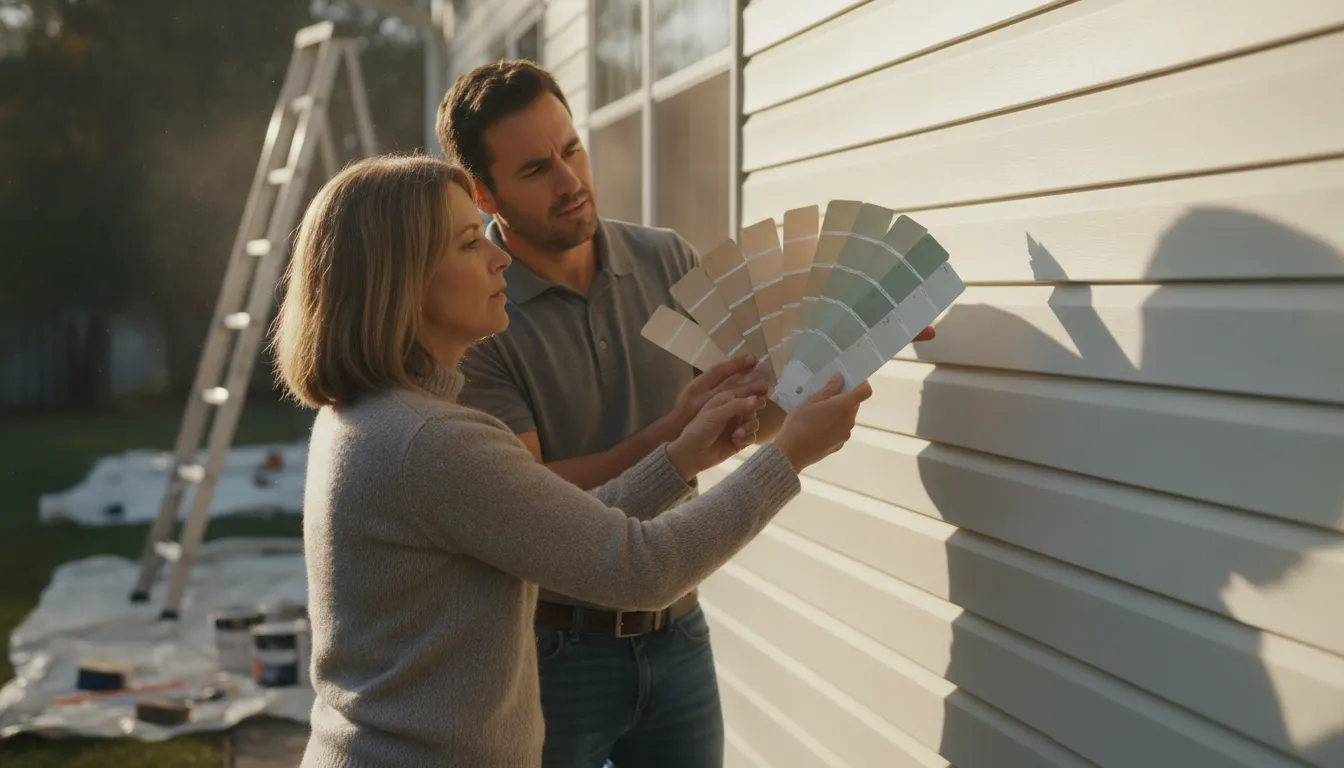
Color selection matters just as much as the paint chemistry. Boise sunshine can heat exterior surfaces quickly, and a color that is much darker than the original siding may absorb more heat. That added heat can contribute to thermal warping in the plastic panels. A professional color review should consider the current siding color, the amount of direct sun, the home’s orientation, and the visual balance of trim, doors, and roofing.
| Paint choice | Flexibility and coverage. | Sun and heat behavior. | Recommendation |
|---|---|---|---|
| 100% acrylic latex exterior paint. | Flexible enough to follow vinyl movement and provides even coverage when applied to a properly prepared surface. | Works well for vinyl when the color is appropriate for the siding and local exposure. | Recommended option. |
| Oil-based paint. | Can form a less suitable, rigid coating for a surface that expands and contracts. | Not the preferred choice for vinyl’s movement and exterior conditions. | Avoid. |
| Exterior flat or satin finish. | May be suitable when the product is specifically compatible with vinyl and the finish is not applied too heavily. | Choose a color that does not create excessive heat absorption, especially in full sun. | Evaluate product and color together. |
Oil-based paint is one of the common mistakes in vinyl projects. It may seem like a durable solution, but the wrong product can create adhesion and flexibility problems as the siding shifts. The same concern applies to applying a thick film that restricts the panels’ normal movement. More paint is not automatically better paint.
For a durable result, select the product, sheen, and color as one system. Then apply it over clean, dry siding under moderate conditions, rather than in direct sun or extreme heat and cold. If you are comparing products or want help choosing a siding-safe color, Paint Boise can review the surface and recommend an approach through our exterior painting services.
Painting Vinyl Siding in Idaho’s Climate and Temperature
Timing matters when you paint vinyl siding in Boise and the surrounding Treasure Valley. Vinyl panels expand and contract as temperatures change, while the coating needs enough time to bond, level, and cure. Treasure Valley homes experience broad seasonal temperature swings, so an exterior paint must remain flexible and resist cracking as the siding moves. Paint Boise’s exterior service guidance reflects that local climate reality.
Choose a moderate-weather painting window
The best conditions are generally a stretch of moderate, stable weather, not the first warm afternoon after a cold spell. Follow the paint manufacturer’s temperature requirements for both the air and the siding surface, and check the forecast for the full curing period. If temperatures are too hot or too cold, paint may cure unevenly, bond poorly, or fail to form a consistent film. The same is true when work is performed in direct sunlight, which can heat the siding well beyond the surrounding air temperature. Professional exterior painting guidance for Boise also stresses avoiding direct sunlight and temperature extremes because both can affect curing and bonding.
In practice, that often means planning around the peak of Boise’s summer heat. Early morning can be useful for some elevations, but the surface must be dry and should not be painted while strong sun is rapidly heating the panels. As the sun moves, crews may need to work in shaded sections rather than coating a wall that is hot to the touch. A moderate day with limited wind and no sudden temperature drop gives the finish a better chance to cure evenly.
Account for Treasure Valley sun and winter movement
Boise’s dry summers can make exterior work convenient, but intense sun still creates a heat-management challenge. Darker colors absorb more solar heat than lighter colors. On vinyl, that extra heat can contribute to thermal warping, especially when the selected color is substantially darker than the original siding. A color review should consider the siding manufacturer’s approved range, the home’s exposure, and how much direct afternoon sun each elevation receives.
At the other end of the calendar, avoid painting during cold freeze-thaw spells. A coating that has not cured fully before freezing temperatures arrive may not bond as intended, and repeated freezing and thawing can put additional stress on the finish. Cold, damp conditions also slow drying, even when the weather appears workable during the day. It is better to postpone the project than to rush paint onto chilled or moisture-laden panels.
Allow the finish to cure before judging it
Fresh paint needs time to settle and develop its intended durability. Keep sprinklers, washing, heavy contact, and other moisture exposure away from the siding until the manufacturer’s stated recoat and cure times have passed. If overnight temperatures are expected to fall sharply, plan the final coat early enough to protect that curing window. Careful scheduling helps the flexible coating move with the vinyl through Idaho’s seasonal changes instead of cracking or losing adhesion prematurely.
Repaint vs Replace Vinyl Siding: How to Decide
Faded vinyl siding can make a home look older than it is. But a dated color does not automatically mean the siding has reached the end of its life. Vinyl is a durable, low-maintenance material that can lose color and develop oxidation over time while remaining structurally sound. If the panels are still solid, repainting can refresh the exterior without the disruption and expense of removing and replacing an entire siding system. Painting structurally intact siding is often a significant cost-saving measure compared with full replacement.
When repainting is the smart investment
Painting is usually worth considering when the problem is primarily appearance. Look for siding that is faded, chalky from oxidation, or simply no longer fits your preferred style, but remains firmly attached and physically sound. Panels should lie relatively flat, hold their shape, and remain flexible rather than snapping or crumbling when carefully assessed. A professional can also look for loose sections, failed seams, and signs that the underlying wall is staying dry.
Color is another practical consideration. A new color can modernize the property and coordinate better with trim, doors, or landscaping. However, the replacement color should be compatible with vinyl and should not absorb significantly more heat than the original. Darker colors can increase heat absorption and contribute to thermal warping, so color selection is part of protecting the siding, not just an aesthetic decision. The paint system also needs to remain flexible. Vinyl expands and contracts as temperatures change, and a thick, brittle coating can crack when the panels move. A quality 100% acrylic latex product is designed to flex with the surface when properly applied.
When replacement may be the better path
Replacement deserves serious consideration when the siding has damage that paint cannot correct. Cracked, brittle, badly warped, or buckled panels may continue to fail beneath a new coating. The same is true when water has reached the wall assembly or when there are persistent moisture problems behind the siding. Repainting a damaged surface can improve its appearance temporarily while leaving the source of the problem untouched.
Do not judge the exterior alone. Panels can look acceptable from the yard while concealing movement, moisture, or deterioration at edges, corners, and penetrations. Where access allows, check the siding from the interior side of the wall or from an attic, crawlspace. Or unfinished area for damp insulation, staining, soft sheathing, or daylight where there should be a sealed connection. A professional exterior assessment can help distinguish a replaceable panel or localized repair from a broader wall or siding failure.
A practical decision checklist
- Choose repainting when the siding is intact, flexible, properly attached, and mainly suffering from fading, oxidation, or an outdated color.
- Plan repairs first when only a few panels are loose, cracked, or damaged, then reassess whether the remaining siding is a good painting surface.
- Consider replacement when damage is widespread, panels are brittle or severely warped, or inspection reveals water intrusion and deteriorated material.
The best choice depends on the condition of the panels, not simply their age. A careful inspection followed by appropriate preparation can make repainting a sensible way to extend the life and appearance of sound vinyl siding. If the material is failing, replacing the affected sections or the full system may provide a more reliable long-term result.
Common Mistakes to Avoid When Painting Vinyl Siding
Painting vinyl siding can refresh a home without the cost and disruption of replacement. But the material has a few rules that ordinary exterior-painting habits do not always account for. Most early failures trace back to preventable choices: an unprepared surface, incompatible paint, poor weather, or a coating that cannot move with the siding. Avoiding these mistakes helps protect your finish through Boise and Treasure Valley temperature swings.
Skipping cleaning and surface preparation
Do not paint over dirt, mildew, chalky oxidation, or loose material. A fresh coating may look acceptable at first, but contaminants prevent proper bonding. The U.S. Department of Energy notes that painting over dirty or oxidized vinyl siding can cause the paint to flake off quickly. Before application, clean the siding thoroughly, remove oxidation and failing paint, and address any repairs. This energy.gov siding case study explains why preparation is central to paint performance.
Power washing is often the most effective way to remove stubborn dirt and mildew. But it should be done carefully so water does not force its way behind the panels. After cleaning, allow the siding to become completely dry. Trapping moisture beneath primer or paint can contribute to peeling later. A rushed prep day is rarely a shortcut when the repair work begins months sooner than expected.
Choosing oil-based or incompatible paint
Vinyl expands and contracts as temperatures change, so it needs a coating with enough flexibility to move with the panels. Oil-based paint and other non-vinyl-compatible products are common sources of trouble. They can become too rigid, adhere poorly, or contribute to cracking and peeling. For a more suitable approach, use a high-quality 100% acrylic latex paint formulated for vinyl surfaces. It is designed to accommodate normal movement rather than fighting it. The guidance on preparing exterior surfaces for painting explains why acrylic latex is preferred for this application.
Painting in direct sun or extreme temperatures
Do not schedule the job simply because the calendar says it is painting season. Direct sunlight can heat the siding and make paint dry too quickly, while very hot or cold conditions can interfere with curing and bonding. Moderate, stable conditions are safer for an even finish. Watch the temperature throughout the day, not just when work begins, and avoid applying paint to panels that are hot to the touch. In the Treasure Valley, seasonal temperature changes already place stress on exterior coatings, so poor application conditions add an avoidable problem.
Selecting a color that is too dark
Dark colors absorb more solar heat than the original siding color. On vinyl, that additional heat can increase the risk of panel distortion or warping. A color change is possible, but choose a vinyl-safe shade recommended by the paint manufacturer rather than assuming any exterior color will work. When in doubt, test a small area and consider how much afternoon sun the elevation receives.
Applying a thick coat or rushing between coats
More paint is not automatically more protection. A thick, brittle film can restrict the expansion and contraction vinyl siding needs, eventually cracking as the panels move. Apply the product at the manufacturer’s recommended spread rate and resist the urge to compensate for uneven coverage with one heavy pass. Likewise, let each coat dry and cure as directed before recoating. Rushing the interval can trap moisture or disturb the underlying layer, leaving ridges, soft spots, or premature peeling. Careful preparation, compatible materials, and patient application are what help a paint vinyl siding project last.
Get a free exterior painting estimate from Paint Boise
Frequently Asked Questions
Can you paint vinyl siding?
Yes. Vinyl siding can be painted successfully when the surface is cleaned, oxidation is removed, and the coating is compatible with vinyl. The siding should also be in sound condition, without widespread cracking, severe brittleness, or structural damage.
What kind of paint do you use on vinyl siding?
A high-quality 100% acrylic latex paint is generally the best choice because it can flex as vinyl expands and contracts with temperature changes. Avoid oil-based paint and thick, rigid coatings, which can crack or interfere with the siding’s natural movement.
How do you prepare vinyl siding for painting?
Preparation usually includes power washing to remove dirt, mildew, and loose material, followed by removal of oxidation and any areas that are failing. The siding must be completely dry before primer or paint is applied. Rushing this step is a common cause of peeling.
What is the best temperature to paint vinyl siding?
Choose a day with moderate temperatures and avoid direct sunlight, extreme heat, and cold conditions. Treasure Valley temperature swings can stress exterior coatings, while excessive heat can affect curing and increase the risk of warping, especially with dark colors.
Should I repaint or replace my vinyl siding?
Painting is often the more cost-effective option when the siding is structurally sound but faded or outdated. Replacement may make more sense when panels are extensively damaged, brittle, or failing. A professional inspection can help separate a cosmetic problem from a siding-system problem.
Ready to Plan Your Vinyl Siding Project?
Painting vinyl siding can refresh a Treasure Valley home when the surface is sound and the preparation is done carefully. Paint Boise can help you assess the siding, choose an appropriate approach, and plan the exterior work around local conditions. To get a free exterior painting estimate, contact Paint Boise or call (208) 254-6615. Our team will help you take the next practical step.