Your business’s appearance is its first handshake with every customer. In a thriving area like the Treasure Valley, a clean, professional look helps you stand out. But finding a contractor who truly understands the demands of a commercial project can be a challenge. You need more than just a painter; you need a project partner who minimizes disruption and delivers a durable finish that withstands Boise’s unique climate. This guide breaks down what to look for, separating the amateurs from the pros. We’ll help you find the best commercial painters in Boise for a stress-free experience and a result you’ll be proud of.
Key Takeaways
- Verify their credentials and track record: Always confirm a painter is licensed, bonded, and insured to protect your business. Look for a strong portfolio and positive customer reviews to gauge their experience with commercial projects like yours.
- Demand a clear project plan: A professional painter should provide a detailed quote and a realistic timeline. Ask specifically how they plan to work around your schedule to minimize disruption to your daily operations.
- Question their process for prep and quality: A lasting finish depends on what happens before the first coat is applied. Ask about their methods for surface preparation, the quality of materials they use, and how they ensure a flawless result.
What Defines a Top-Tier Commercial Painter?
When your business needs a fresh coat of paint, you need more than just someone with a brush and a ladder. Commercial painting projects come with their own unique set of challenges, from tight deadlines to specialized materials and safety considerations. A great commercial painter understands these demands and has the experience to deliver a flawless finish without disrupting your operations. So, what separates the pros from the amateurs? It comes down to a few key qualities that ensure your project is handled professionally from start to finish.
Why Licensing and Insurance Are Non-Negotiable
First things first, any painter you consider should be fully licensed, bonded, and insured. This isn’t just a suggestion; it’s your primary layer of protection. A license proves they meet state and local requirements to operate legally. Being bonded protects you financially if the contractor fails to complete the job or meet their obligations. Insurance, like liability and workers’ compensation, covers any accidents or damage that might happen on your property. Hiring a team without these credentials is a huge risk. A professional company will always be transparent about their qualifications and provide a clear, detailed contract before any work begins.
What to Look For: State License Numbers
When a painter says they’re licensed, don’t just take their word for it—ask for their state license number. This number is your proof that they are a legitimate business registered with the state and held to its standards. It’s a simple but powerful indicator of their professionalism. For instance, our Idaho contractor license is RCE-3490, a detail we share openly because we believe in total transparency. Any reputable painter will have this number readily available on their website or quote. You can then take a minute to verify their registration on the Idaho Division of Building Safety portal. This quick check helps you weed out unqualified operators and gives you confidence in your choice. A company that is upfront about its credentials, as we are on our about us page, is one that takes its responsibility to you and its craft seriously.
Look for Proven Commercial Experience
Painting a retail store or an office building is very different from painting a house. Commercial projects often involve larger surface areas, different types of materials, and the need to work around your business hours to minimize downtime. An experienced commercial painter knows how to manage these complexities. They have the right crew size, specialized equipment, and efficient processes to complete the job on schedule and within budget. Their experience means they can anticipate potential challenges and solve problems quickly, ensuring a smooth process and a result that reflects the professionalism of your business.
Checking for Business Longevity
When you’re vetting painters, take a look at how long they’ve been serving the Boise area. A company with a long history has built its reputation on reliability and customer satisfaction. Some local contractors have been in business for over two decades, which demonstrates a deep commitment to their craft and community. This kind of track record shows they’ve consistently delivered quality work—that’s how you stay in business for the long haul. It means they’ve seen it all and know how to handle the unique demands of our local climate. A company’s history is a strong indicator of its stability and commitment to quality, proving they stand behind their work year after year.
Experience with Different Types of Commercial Properties
Not all commercial buildings are the same, and your painter’s experience should reflect that. Ask potential contractors about the types of properties they’ve worked on. Have they painted medical facilities, which require specific low-odor paints, or industrial buildings that need durable, high-performance coatings? A painter who has experience with everything from hotels and schools to gyms and churches will understand the unique challenges each space presents. This breadth of experience ensures they can recommend the right products and techniques for your specific needs. You want a team of commercial painters that can adapt, whether they’re working on a retail storefront or a large warehouse, to guarantee a finish that looks great and performs well.
Insist on High-Quality Paints and Equipment
The quality of the paint and tools used directly impacts the final look and longevity of the job. A great painter knows that cutting corners on materials is a recipe for a finish that peels, fades, or chips prematurely. They will recommend and use premium, durable paints specifically designed for commercial use, which can stand up to higher traffic and wear. Using top-notch materials not only makes your property look fantastic but also protects your investment by reducing the need for frequent touch-ups and repainting. This commitment to quality is a hallmark of a true professional.
Application Techniques for Durability
The final durability of your paint job isn’t just about the can of paint; it’s about how it’s applied. A true professional painter uses specific techniques to ensure the finish is not only beautiful but also long-lasting. This starts with meticulous surface preparation, but it extends to the application itself. For example, they know when to use a sprayer for a smooth, even coat on large surfaces and when a roller is better for texture and control. They also master techniques like maintaining a ‘wet edge’ to prevent ugly lap marks, creating a seamless look across the entire wall. This level of skill, combined with high-quality tools and the option for protective topcoats, creates a finish that withstands daily wear and tear. This is especially crucial for an expert exterior painting project that must endure Boise’s distinct seasons.
Prioritizing a Safe and Clean Worksite
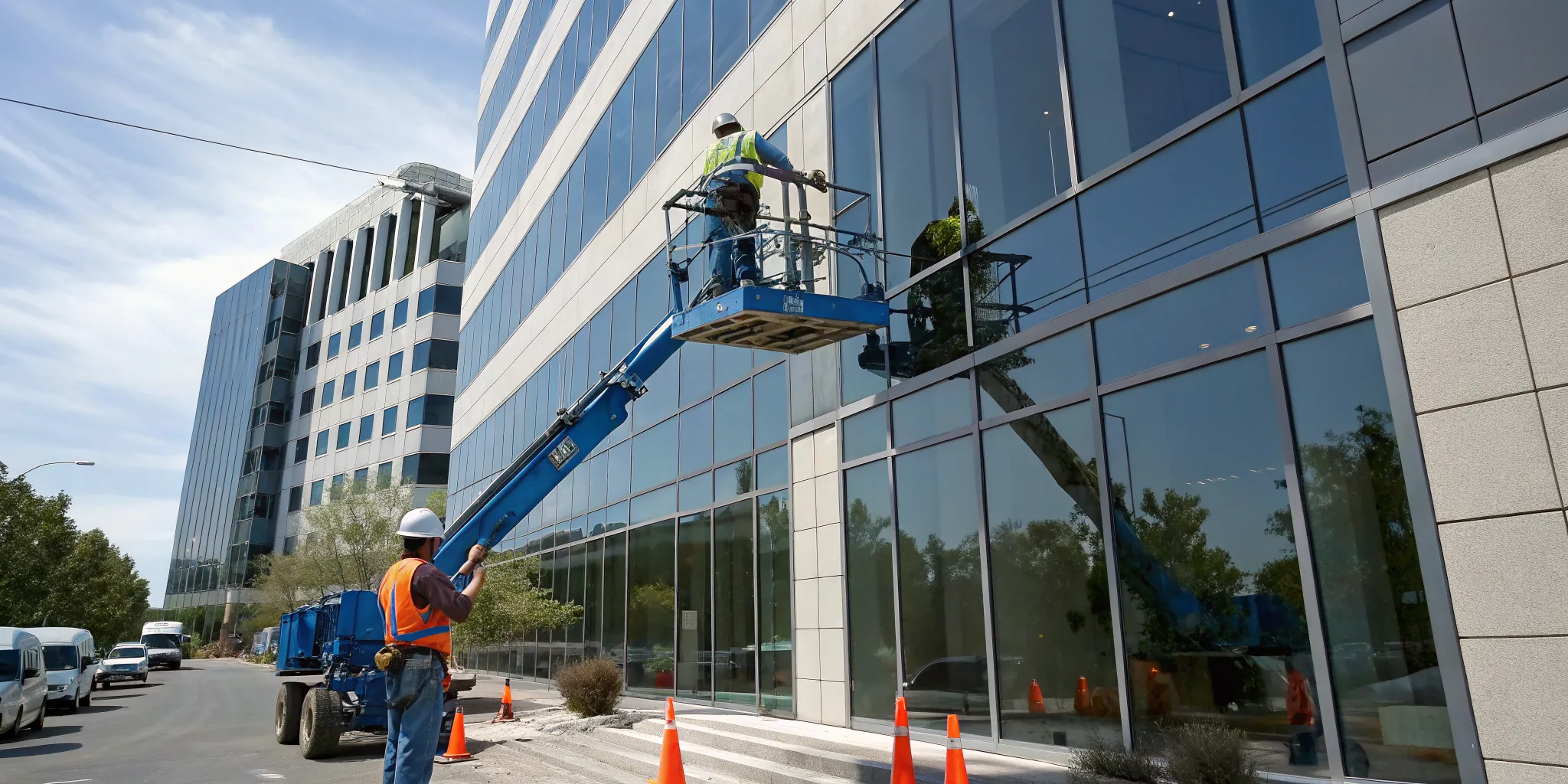
A professional painting project should never put your employees, customers, or property at risk. A reputable commercial painter prioritizes safety above all else. This includes following strict safety protocols, using proper equipment like scaffolding and harnesses for high areas, and ensuring adequate ventilation when working with certain products. They will keep the job site clean and organized to prevent trips and falls. This focus on safety is a clear sign of a professional crew that respects your business and is committed to delivering excellent work without any incidents, a promise we back with our service guarantee.
How to Find the Best Commercial Painters in Boise
Finding the right painter for your business isn’t just about getting a fresh coat of paint. It’s about finding a partner who understands the unique demands of a commercial project. You need a team that can work around your schedule, protect your assets, and deliver a finish that reflects your brand’s professionalism. A poor paint job can disrupt your operations, deter customers, and cost you more in the long run. So, how do you sort through the options and find a crew you can trust with such an important investment?
It starts with knowing what to look for. A great commercial painter brings more than just brushes and ladders; they bring experience, reliability, and a commitment to quality. They understand that time is money and that minimizing disruption to your business is a top priority. You’ll want to check their credentials, look at their past work, and make sure they communicate clearly from the very first conversation. A professional will take the time to understand your specific needs, whether it’s using low-VOC paints for an occupied office or working after hours to avoid disturbing customers. By focusing on a few key areas, you can confidently choose a painter who will get the job done right, on time, and on budget, ensuring your business looks its best without any added stress.
Verify Their Track Record in Boise
Experience matters, especially when it comes to your business. Look for a painting company with a solid history of successful commercial projects. Don’t be shy about asking for a portfolio or references from similar jobs. A painter who is proud of their work will be happy to share it. A poor commercial paint job doesn’t just look bad; it can break down early, disrupt your business, and end up costing you far more than you planned. Reading through customer reviews can also give you a clear picture of what it’s like to work with a company, from their professionalism to the final result. A proven track record is your best indicator of a job well done.
Look for Third-Party Endorsements and Ratings
While a painter’s website can show you their best work, third-party ratings provide a more objective view of their performance. Look for companies with a strong presence on platforms like Google and the Better Business Bureau. These sites offer unfiltered customer feedback on everything from communication to cleanliness. A consistent pattern of positive reviews is a strong indicator that a company reliably delivers on its promises. When you see a business with a well-established portfolio of successful commercial projects and glowing testimonials, it shows they have a history of satisfying clients. This external validation is crucial for protecting your business from a bad investment.
Beyond Reviews: Checking Referral Rates
Positive reviews are great, but a high referral rate is the ultimate vote of confidence. When a past client is willing to recommend a painter to a friend or colleague, it speaks volumes about their satisfaction with the entire experience. A company with a strong referral base has proven it can build lasting relationships founded on trust and exceptional results. Don’t hesitate to ask a potential painter what percentage of their business comes from referrals. Some companies even encourage this by offering a referral bonus, which shows they are confident that their work will inspire positive word-of-mouth. This is a powerful sign that you’re dealing with a contractor who consistently exceeds expectations.
The Value of a Local, Family-Owned Business
There’s a unique advantage to hiring a local, family-owned painting company. These business owners are your neighbors; their reputation is tied directly to the community they serve. They have a vested interest in delivering high-quality work because their name is on every project. A local team also has firsthand knowledge of Boise’s climate and knows which products and techniques will hold up best against our hot summers and cold winters. When you work with a local business, you often get a more personal level of service and accountability that larger, out-of-state corporations simply can’t match. They are invested in the community’s success, and that includes making your business look its absolute best.
Do They Offer All the Services You Need?
Commercial painting is about more than just appearance. You should look for commercial painters when you’re upgrading, maintaining, or branding a business space that requires professional coordination and durable finishes with minimal downtime. A great contractor offers a full range of services beyond just applying paint. This includes thorough surface preparation, minor repairs, and expertise with specialty coatings designed for high-traffic areas. They should understand how to work efficiently to avoid disrupting your daily operations. A company that provides comprehensive services can handle the entire project from start to finish, saving you the hassle of coordinating with multiple contractors and ensuring a seamless, professional outcome for your property.
Confirming Their Service Area in the Treasure Valley
The Treasure Valley is a big place, stretching from Boise to areas like Nampa, Caldwell, and beyond. Just because a company has “Boise” in its name doesn’t automatically mean they’ll travel to your location for a project. Before you invest time in getting a quote, make this one of your first questions: “Do you service my area?” Confirming this upfront prevents logistical headaches and ensures you’re working with a team that is truly local to you. A painter who regularly works across the valley will have a better handle on scheduling and travel time, which contributes to a smoother project. When you find commercial painters who know your community, you’re not just hiring a contractor; you’re partnering with a neighbor who is invested in seeing your business succeed.
Good Communication Should Be a Top Priority
Clear and consistent communication is the foundation of a successful painting project. Miscommunication between a business and a painting contractor can lead to unmet expectations, project delays, and additional costs. From the initial estimate to the final walkthrough, your painter should be easy to reach, responsive to your questions, and proactive about providing updates. A professional team will outline a clear project timeline, explain their process, and keep you in the loop every step of the way. When you meet with a potential painter, pay attention to how they listen and respond. A company that values communication is more likely to deliver the results you expect.
Do They Stand Behind Their Work with a Guarantee?
A service guarantee is a painter’s promise to stand behind their work. It’s a clear sign that they are confident in their skills, materials, and the durability of their finish. This isn’t just a piece of paper; it’s your assurance that the job will be done to a high standard and that the company will address any issues that may arise after the project is complete. By leveraging their expertise, professional painting contractors ensure that every aspect of the project is handled professionally, leading to a satisfying outcome. Before signing a contract, make sure you understand the terms of their service guarantee. It protects your investment and gives you peace of mind knowing you’ve hired a true professional.
Understanding Specific Warranty Terms
A warranty is more than just a promise; it’s a formal agreement that outlines a contractor’s obligations. To truly understand what you’re getting, you need to look at the specific terms. A paint warranty typically covers defects in materials and workmanship for a set period, but the details are what matter most. Pay close attention to the exclusions—what the warranty *doesn’t* cover. This often includes damage you cause, issues from a previous poor paint job, or problems from structural shifts in the building. It’s also important to know the duration; a one-year warranty is a common and reasonable timeframe. Finally, understand any conditions that could void the agreement. For example, a manufacturer’s material warranty can be voided if the contractor doesn’t follow the published application specifications precisely. Reading these details helps you understand the scope of your protection and the painter’s commitment to a quality, long-lasting finish, which is why we’re transparent about our own service guarantee.
What Services Do Boise Commercial Painters Offer?
When you hire a commercial painter, you’re getting more than just a new coat of paint. Professional teams offer a wide range of services designed to protect your property, improve its function, and create a welcoming environment for your customers and employees. Understanding these services can help you find a painter who can meet all your project’s needs.
Interior & Exterior Painting for Businesses
The foundation of any commercial project is high-quality interior and exterior painting. Inside your business, a professional interior painting job can refresh your brand image and create an inviting atmosphere, often using low-odor paints to minimize disruption. On the outside, an expert exterior painting service is your building’s first line of defense. It acts as a crucial barrier against Boise’s sun, snow, and rain, protecting your structure from the elements. A great painter uses durable materials designed to last, ensuring your property looks professional and your investment is protected.
Protect Your Property with Specialty Coatings
Many commercial spaces require more than standard paint. Specialty coatings offer targeted protection, like waterproof barriers for kitchens or basements to prevent costly mold and water damage. In industrial settings, durable epoxy floor coatings can protect surfaces from spills, abrasion, and heavy machinery. These advanced solutions are designed for longevity and safety, preserving your building’s integrity. A full-service commercial painter can recommend the right products for your business’s unique needs, ensuring your space is properly protected from daily wear and tear.
Durable Finishes for Roofs and Concrete
A building’s protection extends beyond its walls. Professional painters often provide services for other critical surfaces, like roofs and concrete floors. Applying a reflective roof coating can extend the life of your roof, seal small leaks, and even lower cooling costs. For concrete surfaces such as warehouse floors or walkways, specialized finishes add durability, slip resistance, and a clean, polished look. These coatings protect the concrete from stains and wear, making them a smart investment for any high-traffic commercial area and enhancing both safety and appearance.
Beyond Paint: Wall Coverings and Cabinet Refinishing
To add texture, durability, or a unique design element, many businesses opt for professional wall coverings. Commercial-grade vinyl is a popular choice because it’s durable, easy to clean, and available in countless styles, perfect for lobbies and hallways. Another impactful service is cabinet painting. Instead of a costly replacement, professionally painting the cabinets in your breakroom or reception area can completely modernize the space for a fraction of the cost. These services allow you to achieve a high-end look while staying on budget.
Value-Added Services Like Color Consultations
A top-tier commercial painter does more than just apply paint; they act as a partner in your business’s success. One of the most valuable services they can offer is a professional color consultation. Choosing the right colors is about more than personal preference—it’s a strategic branding decision that impacts how customers and employees feel in your space. An experienced painter understands color psychology and can guide you toward a palette that reflects your brand identity and creates a welcoming atmosphere. This kind of expert guidance, along with other value-adds like offering flexible financing options to manage project costs, separates a true professional from a simple contractor. They invest in your project’s success from every angle.
How Much Does Commercial Painting Cost in Boise?
Budgeting for a commercial painting project can feel tricky because there isn’t a simple, flat-rate price. The final cost depends entirely on the unique needs of your property. A fresh coat of paint is an investment in your business’s appearance and longevity, so understanding the factors that influence the price is the first step toward getting a fair and accurate quote.
Key variables include the total square footage, the current condition of the walls, and the type of paint required. A large warehouse with high ceilings will naturally cost more than a small retail storefront. Similarly, a building that needs extensive prep work, like pressure washing or repairing damaged surfaces, will require more labor and materials than one that’s already in great shape. The goal is to find a painter who provides a transparent quote that reflects the specific scope of your project.
What Affects the Price?
When a professional painter prepares your estimate, they are looking at several key factors. The size of the project is the most obvious, but the complexity of the job also plays a huge role. Are there intricate architectural details, hard-to-reach areas, or multiple colors involved? These elements require more time and skill. The type of paint and materials you choose will also affect the price. High-performance or specialty coatings designed for durability in high-traffic areas will cost more than standard interior paint. Finally, the amount of surface preparation needed, from patching drywall to scraping old, peeling paint, is a major component of the final cost.
How to Get an Accurate Estimate
The only way to get a truly accurate estimate is through an on-site consultation. A quick quote over the phone might seem convenient, but it can’t account for the specific conditions of your property. A reputable commercial painter will schedule a time to walk through your space with you, discuss your goals, and assess the scope of the work firsthand. This allows them to create a detailed, written proposal that breaks down the costs for labor and materials. This transparent approach ensures there are no surprises down the road, giving you a clear understanding of what you’re paying for and why.
Ask About Introductory Offers or Discounts
When you’re managing a budget, every dollar counts, so it never hurts to ask a potential contractor about any available promotions. Many painting companies understand the competitive Boise market and may have introductory offers for new clients or seasonal deals that aren’t always advertised on their homepage. A proactive question can sometimes lead to significant savings on your project. Beyond a simple discount, it’s also smart to inquire about other ways to make the project more affordable. For example, some companies offer flexible financing options to help you manage the cost without compromising on quality. This approach allows you to get the professional finish your business deserves while keeping your cash flow healthy.
What to Expect for Payment and Financing
Before work begins, it’s important to have a clear conversation about payment terms. Professional painting companies should outline this information in their contract, including the deposit amount, payment schedule, and when the final balance is due. This prevents any misunderstandings and keeps the project running smoothly. For larger projects, the cost can be a significant investment. That’s why some companies offer flexible financing options to help you manage the expense without straining your budget. Discussing these details upfront is a sign that you’re working with a professional who values clear communication and customer satisfaction.
What to Look for in Customer Reviews
Online reviews are your window into what it’s really like to work with a painting company. They offer unfiltered feedback from past clients and can reveal a lot about a contractor’s professionalism, quality, and reliability. But reading reviews is more than just looking at star ratings. You need to know how to read between the lines to spot the signs of a great partner and the red flags that signal potential trouble. By digging a little deeper into what other business owners are saying, you can find a painter who will respect your time, property, and budget.
Green Flags: What to Look for in Positive Reviews
When you’re scanning reviews, look for comments that go beyond “they did a good job.” The best feedback often highlights specific details that point to high-quality service. Look for mentions of durability, with clients noting that the paint job still looks fresh months or even years later. A poor paint job doesn’t just look bad; it can fail prematurely, forcing you to deal with disruptions and unexpected costs all over again.
Pay close attention to comments about communication and project management. Happy clients often praise painters who are responsive, provide clear updates, and stick to the agreed-upon schedule. Reviews that mention a clean work site and a professional crew are also great indicators of a company that respects your business operations. You can see examples of this kind of detailed feedback on our own customer reviews page.
Red Flags: Warning Signs to Watch Out For
Just as positive reviews can guide you to the right painter, negative ones can help you steer clear of the wrong ones. One of the biggest red flags is poor communication. If you see multiple reviews mentioning that the contractor was hard to reach, didn’t provide updates, or failed to address concerns, it’s a sign of potential frustration ahead. Miscommunication can easily lead to missed deadlines, budget overruns, and a final result that doesn’t meet your expectations.
Another major warning sign is a lack of experience, especially with commercial painters. Reviews that complain about sloppy prep work, messy paint lines, or a lack of attention to detail often point to an inexperienced team. These issues suggest the painters may not have the skills to handle the unique demands of a commercial project, which could put your property at risk and leave you with a subpar finish.
How to Verify Reviews and References
Online reviews are a fantastic starting point, but don’t stop there. Once you have a shortlist of potential painters, take the extra step to verify their reputation. Ask each contractor for a list of references from recent commercial projects similar to yours. Speaking directly with a past client allows you to ask specific questions about their experience, from the initial estimate to the final walkthrough. This is one of the best ways to confirm a painter’s claims.
It’s also wise to look for signs of transparency and accountability. A trustworthy company will have a clear contract that outlines the full scope of work, materials, and timeline. They should also stand behind their work with a solid service guarantee. If reviews mention clear, upfront pricing and a commitment to customer satisfaction, you can feel more confident that you’re choosing a reliable partner.
How to Choose the Right Commercial Painter in Boise
Once you have a shortlist of potential painters, it’s time to dig a little deeper to find the perfect fit for your business. Making the right choice goes beyond just picking the lowest price. It’s about finding a partner who understands your needs, respects your time, and delivers a final product that makes your business look its best. A little due diligence now will save you from headaches, unexpected costs, and disruptions down the road. By focusing on their past work, the value they offer, and their project management style, you can confidently select a team that will get the job done right.
Review Their Portfolio of Commercial Work
A painter’s portfolio is their resume. It’s your chance to see the quality of their work and whether they have experience with projects like yours. Look for a collection of high-resolution photos showing a variety of commercial spaces. Pay attention to the details: Are the lines clean? Is the coverage even? Does the finish look professional? Don’t hesitate to ask for references from past commercial clients. As one industry expert notes, “A poor commercial paint job doesn’t just look bad; it breaks down early, disrupts your business, and ends up costing you far more than you planned.” Seeing a painter’s proven track record gives you confidence that they can handle the unique demands of a commercial project.
How to Compare Quotes (It’s Not Just About Price)
Getting multiple quotes is standard practice, but it’s important to compare them apples-to-apples. The cheapest bid isn’t always the best value. A professional quote should be detailed, breaking down the costs for labor, materials, and prep work. Look for what’s included in the service, such as surface preparation, minor repairs, and cleanup. A reputable contractor offers more than just a coat of paint; they provide “expertise and experience to time and cost efficiency, compliance with safety standards, quality of results, and effective communication.” When you hire true commercial painters, you’re investing in a smooth process and a durable, high-quality finish that protects your property.
What’s Their Typical Project Timeline?
For any business, time is money. A painting project shouldn’t bring your operations to a halt. Clear communication about the project timeline is essential to avoid costly disruptions. Before signing a contract, ask how the painting company plans to manage the project from start to finish. A key concern for businesses is “the potential disruption to daily operations,” which can lead to project delays and extra costs if not managed well. Ask specific questions: How long will the project take? Will you work after hours or on weekends? How will you protect our equipment and inventory? A professional painter will have a clear plan to work efficiently and minimize interference with your daily business activities.
Don’t Hire a Painter Before Asking These Questions
Once you have a shortlist of potential painters, it’s time to dig a little deeper. Asking the right questions before you sign a contract can save you from headaches, unexpected costs, and a disappointing paint job. Think of it as a final interview to ensure you’re hiring a true partner for your project. A professional painter will welcome these questions and provide clear, confident answers. This conversation helps set clear expectations and ensures everyone is on the same page from day one, leading to a smoother process and a result you’ll love.
Are You Licensed and Insured?
This is the first and most important question you should ask. It’s surprising how many property owners forget to check for proper licensing and insurance when hiring painters. A license proves the contractor meets local and state requirements to operate legally. Insurance, including liability and workers’ compensation, is even more critical. It protects you and your property from financial responsibility if an accident or damage occurs during the project. Don’t just take their word for it; ask for copies of their certificates. A reputable company will have this information ready and will be happy to share it as part of their commitment to professionalism and customer satisfaction.
How Will You Minimize Disruption to My Business?
One of the biggest concerns for any business is the potential disruption a painting project can cause to daily operations. You need a painting team that respects your time and your need to keep business running. Ask potential painters how they plan to manage the project to minimize interference. Will they work after hours or on weekends? Can they complete the project in phases to keep certain areas of your building accessible? A professional commercial painter will have a clear strategy for working efficiently around your schedule, ensuring the project is completed on time with as little impact on your employees and customers as possible.
What Is Your Process for Prep and Quality Control?
A beautiful, long-lasting paint job is all in the prep work. A painter who rushes this step is cutting corners that will show in the final product. Ask them to walk you through their preparation process. Do they thoroughly clean and sand surfaces, repair cracks, and apply primer before painting? Meticulous surface preparation is the foundation of a quality finish. Also, ask about their quality control measures. How do they ensure the work is flawless? A reliable painter will have a system for inspections and will schedule a final walkthrough with you to guarantee everything meets your standards, backed by a solid service guarantee.
Final Walk-Through and Project Manager Inspection
The project isn’t finished just because the final coat of paint is dry. A professional crew doesn’t pack up until you are completely satisfied. Before you’re even invited to inspect the work, a dedicated project manager should conduct their own thorough review, ensuring every line is crisp and the finish is flawless. After this internal check, they will schedule a final walk-through with you. This is your dedicated time to examine the results up close and point out any areas that might need a final touch-up. This two-step inspection process is a hallmark of a reliable contractor and shows they are committed to getting the job right. It’s the ultimate confirmation that the work meets your standards, a promise that should be backed by a comprehensive service guarantee.
Local Challenges Your Boise Painter Will Face
Painting in Boise comes with its own set of hurdles. From our distinct seasons to the demands of a busy commercial space, professional painters face unique challenges on every job. A great painter has proven strategies for managing these complexities to deliver a flawless finish without causing you headaches. They understand that a successful project goes far beyond just applying a coat of paint.
Dealing with Boise’s Unique Climate
Boise’s four seasons are beautiful, but they can be tricky for painting. Hot, dry summers can make paint dry too quickly, leaving brush marks, while cold, damp winters prevent it from curing properly. An experienced crew knows how to manage these conditions. They understand the ideal temperature and humidity for different products and will schedule your expert exterior painting project accordingly. This careful planning prevents peeling and cracking, ensuring your investment looks great for years to come and that the project avoids weather-related delays that could disrupt your business.
Minimizing Disruption to Your Daily Operations
For any business, time is money, and a painting project can’t bring operations to a halt. The biggest challenge is completing the job with minimal disruption. This requires excellent project management. Professional commercial painters work with you to create a detailed schedule, often painting in sections or during off-hours to keep your business running. Clear communication is key. A good team keeps you updated on their progress and works efficiently to avoid costly delays that could impact your customers and your bottom line.
Adhering to Local Codes and Safety Standards
Commercial painting projects are far more complex than residential jobs. They require strict adherence to local building codes, environmental regulations, and OSHA safety standards. A professional painter understands these requirements inside and out. They know how to properly handle materials, work safely at heights, and ensure the site is secure for your employees and customers. This commitment to safety and compliance protects you from liability and ensures the job is done right. It’s a crucial part of any professional painter’s service guarantee and a must-have for your peace of mind.
How to Prepare Your Space for Painters
A great paint job is a team effort. While your professional painters will handle the technical prep work, a little organization on your end can make a huge difference. Taking a few simple steps to prepare your commercial space ensures the project runs smoothly, finishes on time, and minimizes any disruption to your daily operations. Think of it as setting the stage for a flawless transformation. By clearing the way, you help your painting team work more efficiently and protect your valuable assets, leading to a better final result for everyone involved.
Your Site Prep Checklist
Proper preparation is the foundation of a durable, professional finish. A poor paint job doesn’t just look bad; it can break down early and disrupt your business, costing you more in the long run. Before the painters arrive, walk through the space and tackle a few key tasks. Start by removing all items from the walls, including pictures, clocks, and shelving. Move smaller furniture, office equipment, and any freestanding items away from the painting area. If you notice any dings or holes in the walls, point them out to your project manager. Our team of commercial painters can handle repairs, but it’s always best to discuss them upfront.
How to Coordinate with Building Management
Commercial painting projects often require more planning and coordination than residential jobs. Before work begins, it’s essential to connect with your property or building manager. Give them a heads-up about the project timeline and find out if there are any specific building rules you need to follow. You may need to discuss designated work hours, parking for the crew, or procedures for using elevators and loading docks. Clarifying these details in advance prevents delays and ensures the project complies with your building’s policies. Our team has years of experience working in different commercial settings, and we pride ourselves on clear communication, which you can learn more about on our About Us page.
Tips for Protecting Your Equipment and Inventory
One of the biggest concerns for any business is the potential disruption a painting project can cause. To protect your assets, take some time to secure your equipment and inventory. Move any sensitive electronics, important documents, and smaller valuables to a safe, separate room. For larger items that can’t be moved, like heavy machinery or retail shelving, cover them securely with plastic sheeting. Creating clear, open pathways not only protects your property but also allows the painters to work safely and efficiently. We treat your space with the utmost respect, a promise backed by our service guarantee, and this extra step helps us deliver on that commitment.
Related Articles
- Why Hiring a Commercial Painter is More Cost-Effective
- How to Choose Commercial Painters in Boise
- The Ultimate Guide to Commercial Painting Contractors
- Ultimate Commercial Painting Guide: From Planning to Maintenance
Frequently Asked Questions
What makes a commercial painter different from someone who just paints houses? While both require skill, commercial painting is a specialized field. It involves working on a larger scale, using more durable products designed for high-traffic areas, and following complex safety regulations. A professional commercial painter also has experience managing projects to minimize disruption to your business operations, which is a top priority.
How long will my commercial painting project take? The timeline for any project really depends on its size and complexity. A small office refresh might only take a couple of days, while a large exterior job could take longer. When we provide your detailed estimate, we will also give you a clear project schedule. We focus on working efficiently to meet that timeline and get your space back to normal as quickly as possible.
My business needs to stay open. How do you handle painting without disrupting my customers and staff? We understand that you can’t just close your doors. We are very experienced in working around active business schedules. We can complete the project in phases, work during evenings or weekends, and use low-odor paints to ensure your operations continue smoothly with minimal interference.
Why is an on-site consultation necessary for an estimate? An on-site visit is the only way to provide a truly accurate and fair quote. It allows us to see the current condition of the surfaces, take precise measurements, and understand any unique challenges your property might have. A quick phone quote can’t account for these important details, which often leads to surprise costs later on.
What do I need to do to prepare my space before your crew arrives? A little prep on your end helps the project run smoothly. We ask that you clear smaller items, like pictures and decor, from the walls and move any furniture or equipment away from the areas being painted. It is also helpful to point out any specific areas of concern during our initial walkthrough so we can address them properly.